
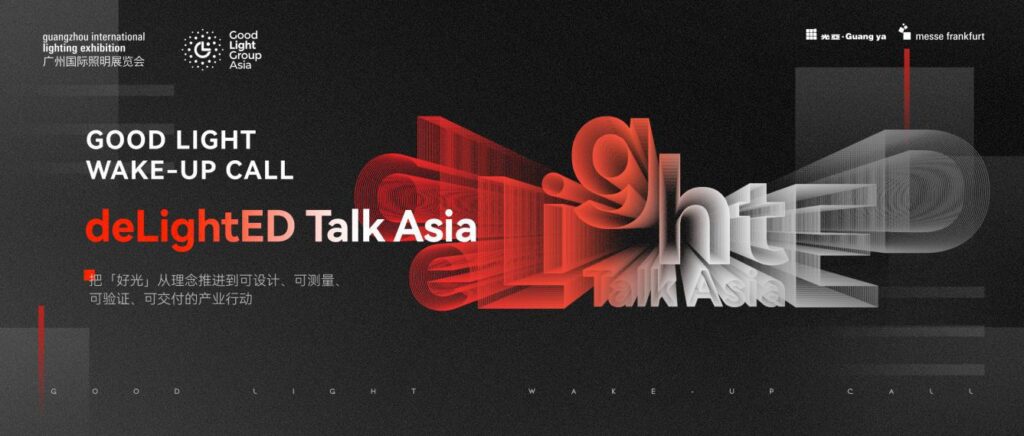
Good Light Wake-up Call Closed-Door Meeting: The next common language for healthy light starts here
Industry direction is not always changed in the loudest hall.
Sometimes, it begins at a table that matters.
At this table, people are not simply exchanging business cards or making general comments about trends. Scientists, designers, standards organisations, global industry advocates, LED companies, leading lighting brands, control protocol experts, lighting equipment and system companies, measurement specialists, healthy building experts, healthcare and senior living representatives, industry associations and business leaders sit down together to face one fundamental question:
Over the next decade, what kind of light will truly be good for people?
On 8 June, deLIGHTed talks Asia @ GILE 2026 will first convene the Good Light Wake-up Call / LED WG closed-door meeting, followed by the GLG / GLGA VIP Welcome Dinner in the evening.
This is not an open forum.
It is a small-scale, invitation-based, working-level high-level alignment meeting.
Its scarcity is not about how many people are in the room, but whether the people are truly essential.
Its value is not about how lively the gathering is, but whether the most important people can address the most important questions at the same table.
Its significance is not in a dinner or a group photo, but in the possibility that it becomes the starting point for the next common language of healthy light.
Why this table?
Because healthy light has reached a point where the industry can no longer afford to speak in disconnected voices.
In recent years, concepts such as healthy lighting, full spectrum, eye comfort, sleep support, circadian lighting, human-centric lighting, AIoT, better homes and healthy buildings have gained momentum.
This shows that the industry is searching for a new direction.
But without scientific foundation, standards, measurement methods, design translation, field verification and industrial collaboration, these concepts may quickly become another wave of noise.
Healthy light cannot rely only on corporate promotion. It cannot rely only on one product parameter. It cannot rely only on designer intuition. It cannot rely only on a single standard clause. It cannot rely only on laboratory papers. It cannot rely only on market enthusiasm.
It must enter a new stage: Scientists clarify mechanisms and boundaries. Standards bodies build language and methods. Protocol ecosystems enable devices and systems to interoperate. Companies provide deliverable products and systems. Designers translate science into real spatial experience. Measurement tools make results visible. Owners understand why investment matters. Application scenarios bring real needs to the table. Industry organisations drive consensus and action.
That is the core value of the 8 June closed-door meeting.
It is not about creating a larger concept. It is about allowing the people who can truly influence the next stage of healthy light to sit down first and seriously discuss: Where should we take healthy light next?
This is not a guest list. It is a map of action for healthy light.
The Good Light Wake-up Call / LED WG closed-door meeting and VIP Welcome Dinner on 8 June will bring together key representatives from global advocacy, science, design, standards, protocols, light sources, manufacturing, controls, verification, healthcare, buildings, associations and industry.
The value of this list is not simply “who is attending”.
More importantly: Together, they form the complete chain from the idea of Good Light to science, standards, design, products, systems, verification and market action.
If the main forum is the public voice, and the focus groups are the transition into action, then the 8 June closed-door meeting is the high-density alignment of the key forces before everything begins.
From this table, healthy light is no longer just a product term from one company, nor only a research topic from one expert. It becomes an industry issue shared by science, standards, design, products, verification, systems and owner value.
Good Light global advocacy: from idea to Asian action
Jan Denneman|Online participation
Chairman of the Board of the Good Light Group, Honorary Ambassador and Past President of the Global Lighting Association, and former Vice President of Industry Associations at Philips Lighting
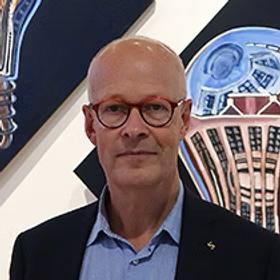
Jan is one of the key advocates of the global Good Light movement, calling for the lighting industry to move beyond simply illuminating spaces toward supporting human health, wellbeing and quality of life.
Jan will join the 8 June Good Light Wake-up Call / LED WG closed-door meeting online, providing global perspective and the core spirit of Good Light for this Asian action.
His participation is highly meaningful.
The Good Light Wake-up Call is not an isolated Asian forum. It is an important landing point for the global Good Light idea within Asian industry, standards, design practice and application scenarios.
From Jan Denneman’s global industry perspective to scientists, designers, standards organisations, LED companies, lighting equipment and systems providers, healthy building experts and leading Chinese companies, this table truly connects the full chain from Good Light as an idea to Good Light as action.
Science and circadian research: bringing healthy light back to evidence and boundaries
Science is the foundation of healthy light. Without science, healthy lighting easily becomes marketing language. Without evidence, healthy lighting is easily oversimplified. Without boundaries, healthy lighting can create new misunderstandings.
This closed-door meeting brings together important international and Chinese scientific and research voices.
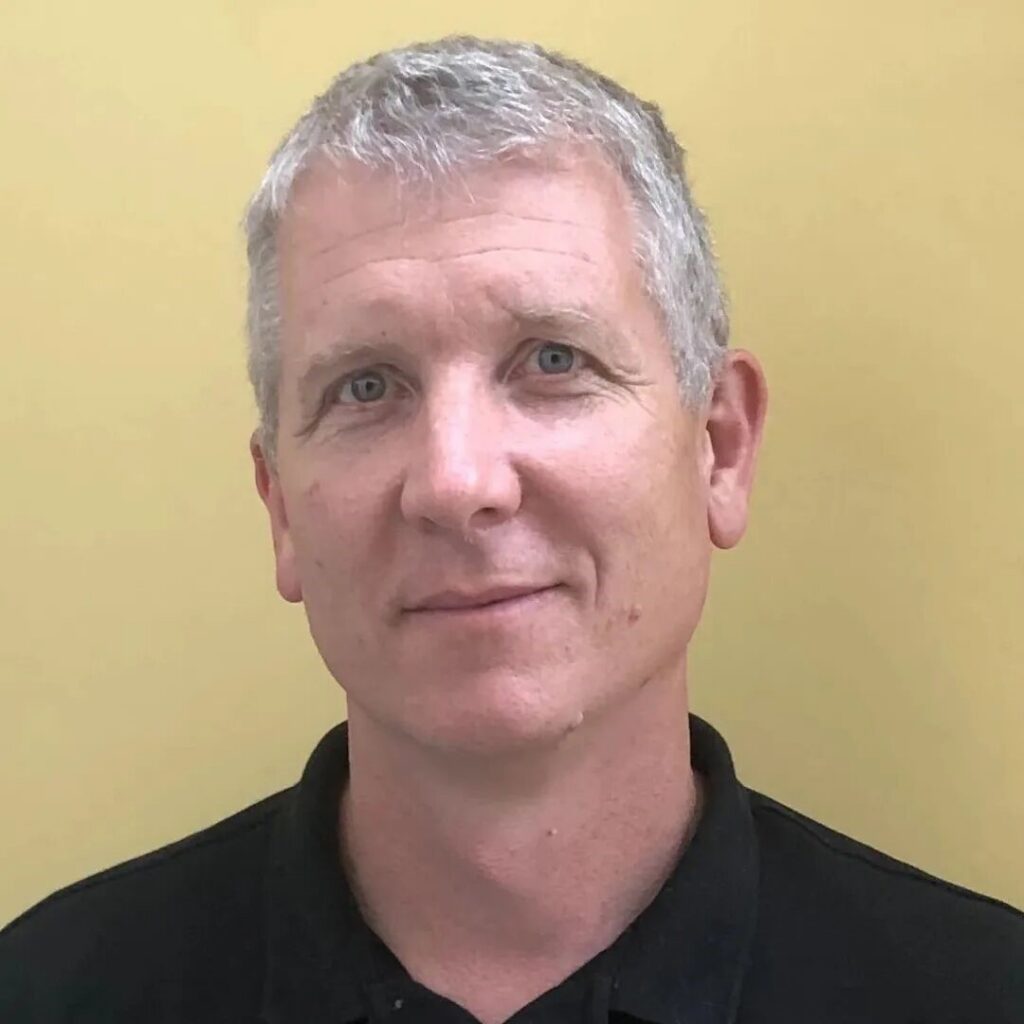
Rob Lucas
Professor of Neuroscience at the University of Manchester, with long-term research in circadian photobiology, visual and non-visual responses to light, alpha-opic metrics and light measurement. His participation will help move the healthy-light discussion beyond traditional lux and CCT toward more precise approaches involving spectrum, eye-level exposure, EDI / DER and quantitative targets.

Marijke Gordijn
Founder and owner of Chrono@Work, board member of the Good Light Group, and long-standing researcher in biological clocks, sleep, light, human behaviour, health and performance. She represents the bridge from circadian science to real work, care, healthcare and daily-life environments.
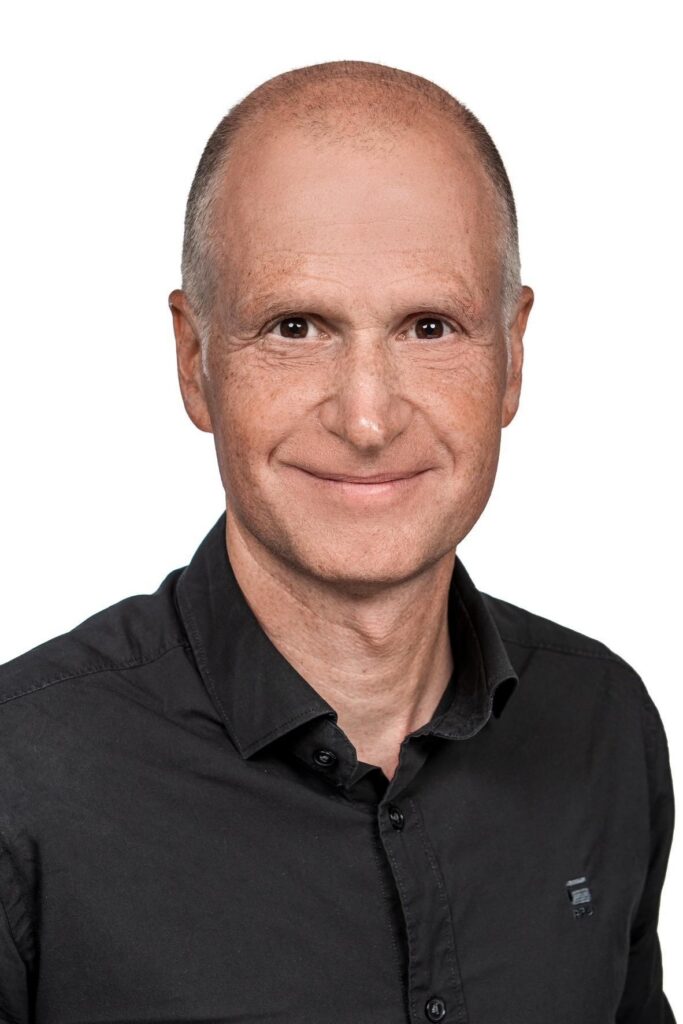
Dr. Oliver Stefani
Senior Researcher at HSLU and founder of Chronolight. He works on the translation of photobiology, integrative lighting and 24-hour work environments into practical applications. His focus is not only what light is in theory, but how science can enter real spaces.
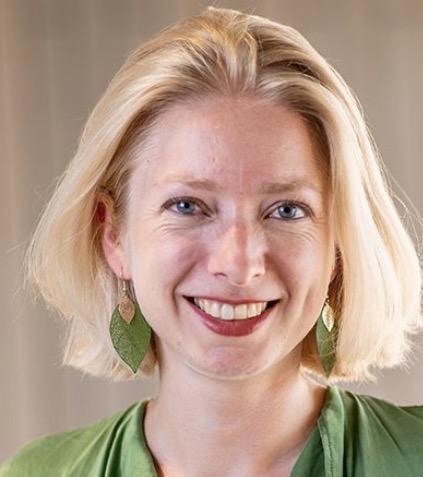
Dr. Anne Berends
Co-founder and CEO / CTO of SunLED Life Science, connecting life science, materials technology and business innovation. She will contribute perspectives on near-infrared light and wellbeing, including emerging evidence, application opportunities and scientific boundaries.

Kumpei Kobayashi|Online participation
Scientist at Seoul Semiconductor and one of the important forces behind SunLike-related technology. He will contribute perspectives on LED light sources, natural-light-like technology and the evolution of health-supportive lighting.

Professor Lin Yandan
Professor and doctoral supervisor at Fudan University, with long-standing work in human factors lighting and colour science. She is an important academic voice in Chinese healthy lighting and lighting environment research. Although she will not join the dinner, her academic role is highly relevant to healthy homes, human factors lighting and Chinese application contexts.

Director Zhao Hongyi
Director of the Sleep Medicine Department at the 984 Hospital, representing real medical and sleep-medicine application scenarios. If healthy light is to enter healthcare, senior living and sleep therapy centres, it must address clinical environments, patient needs, intervention boundaries and verifiable pathways.

Dr. Lin Wei-Jye
Associate Researcher at Sun Yat-sen Memorial Hospital, Sun Yat-sen University, focusing on how light acts on the brain, visual circuits, brain clearance mechanisms and verifiable application value. His participation helps bring healthy light from lighting-design language into neuroscience and medical mechanisms.
The significance of these scientific and medical voices is clear: They remind the industry that healthy light cannot rely only on feeling or promotion. It needs evidence, boundaries and ongoing openness to research.
International design and spatial translation: bringing science into real spaces
If healthy light cannot be designed, it cannot enter the real world.
The same spectrum, illuminance and control strategy may produce very different outcomes depending on space, time, people, visual tasks and operation.
Designers are therefore not observers of healthy light. They are key translators.
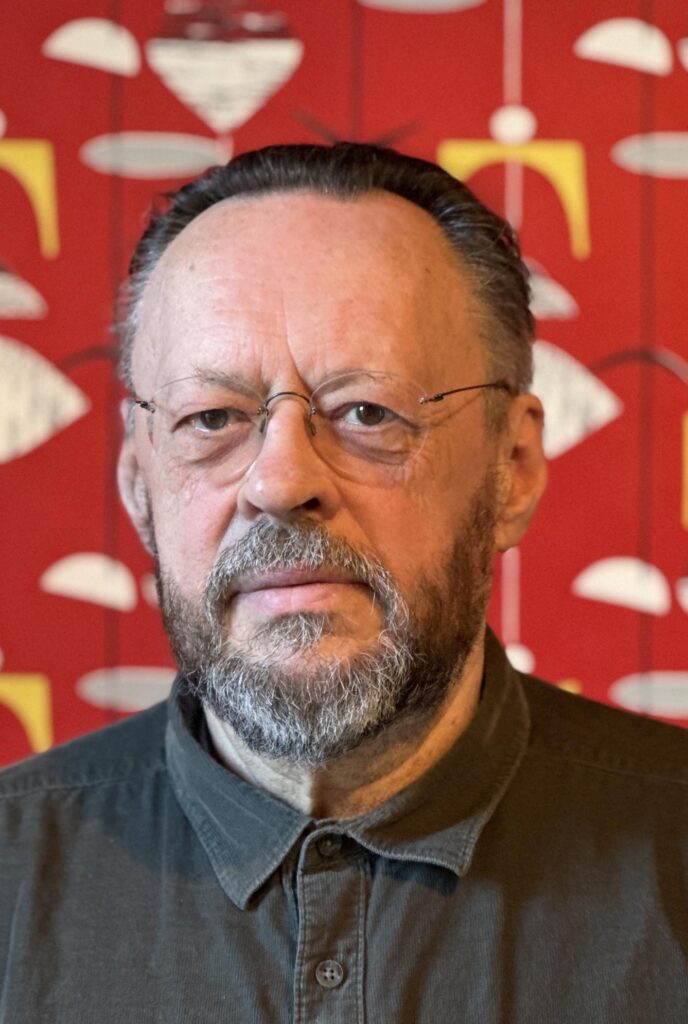
Kevan Shaw
Independent lighting consultant, IALD Fellow, CLD and C.Eng., with extensive experience across stage, film, television, architectural and integrative lighting design. He brings deep expertise in how healthy light can move from metrics into implementable design.
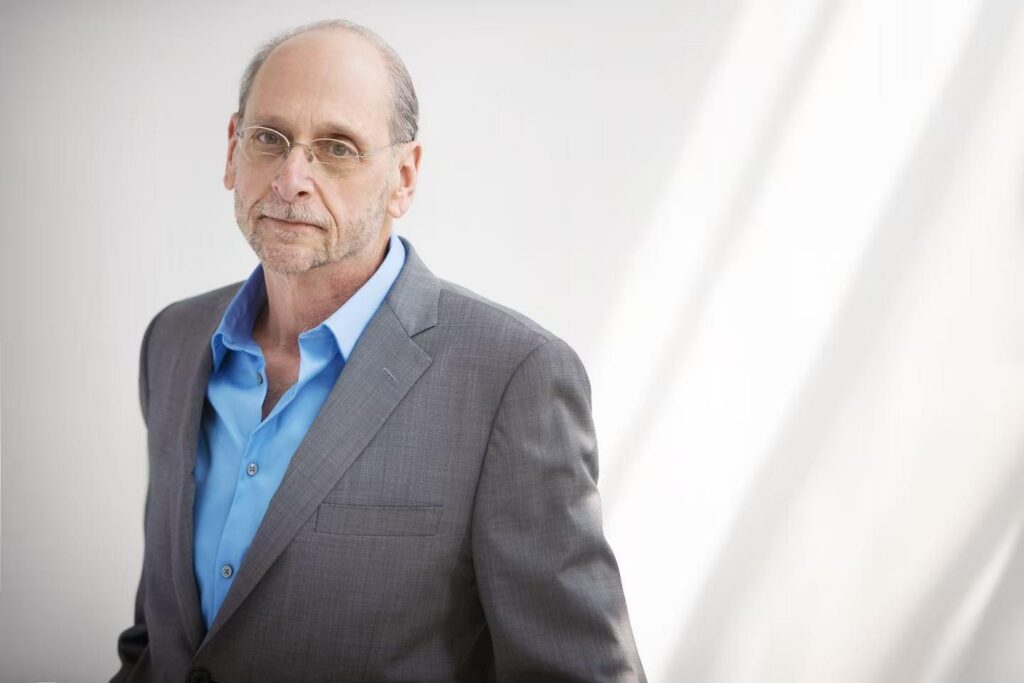
Jeff Miller
FIALD, CLD, President of Jeff Miller Lighting Design and former President of IALD. He represents the international lighting design community’s long-standing thinking on science, experience, design responsibility and professional value.
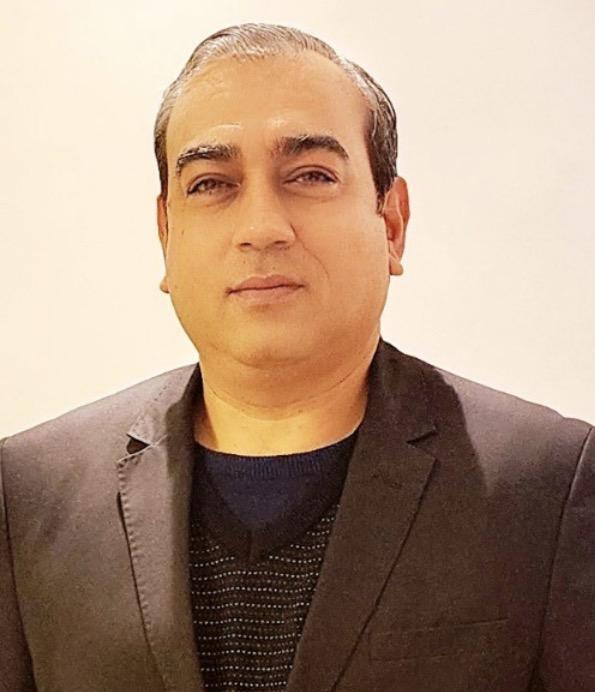
Krishan Sujan
Representative connected with ELCOMA / the Indian lighting industry, bringing an Indian and broader Asian industry perspective. Healthy light in Asia should not be limited to China; it should connect across wider Asian markets and industry organisations.

Professor Xiao Hongqing
A respected senior figure in Taiwan’s lighting education and professional community, joining the VIP Dinner. His long-term contribution to lighting education, knowledge sharing and professional development is highly meaningful.
Their participation shows that deLIGHTed talks Asia is not only about science and not only about products.
It asks: How does science enter space? How do metrics become experience? How can designers, owners and engineers understand and deliver health value?
Standards, protocols and industry organisations: common language cannot be absent
For healthy light to move from concept to industry, standards, protocols and industry organisations must be involved.
Without common language, there is no industry order. Without standards awareness, there is no market trust. Without protocol ecosystems, luminaires, controls, sensors, design software and building systems cannot truly work together. Without organisational support, a meeting cannot become sustained action.
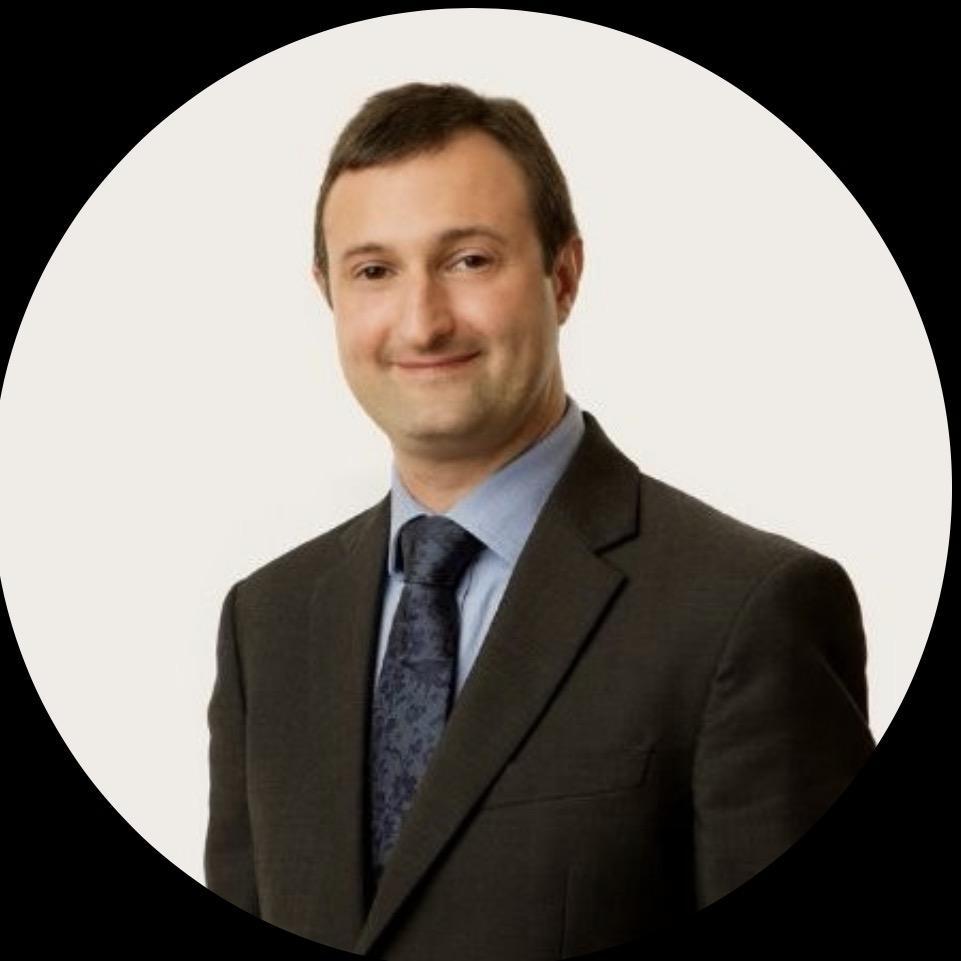
Paul Drosihn FIoL
General Manager of the DALI Alliance / DiiA. As a major global digital lighting control interface standard, DALI is evolving from traditional lighting control into broader smart lighting, building systems, data connectivity and application-scenario coordination.
Paul’s participation is crucial.
Healthy light will require more than good light sources and luminaires. It will require digital lighting infrastructure that can be controlled, commissioned, operated and systemically managed. How the DALI ecosystem connects with HCL-ready data, EDI / DER, sensors, BMS / LMS, design software and field verification will be essential for bringing healthy light into engineering practice and scalable application.
Wang Xuhua|To be confirmed
As an important standards and industry-related representative, he will contribute perspectives from Chinese lighting standards, industry organisation and development.
Wang Zhuo|To be confirmed
Secretary General of the China Association of Lighting Industry (CALI), representing an important organisational force in China’s lighting industry. The common language of healthy light ultimately requires industry organisations to help coordinate across companies, standards and application scenarios.

Daniel Cheng
Secretary General of GLGA, responsible for on-site coordination, focus group facilitation and follow-up action in Asia.

Lawrence Lin
CEO of Lighting Recipe Studio, board member of the Good Light Group, and founder / chair of Good Light Group Asia (GLGA). He will help drive the Good Light Wake-up Call in Asia from idea to working groups, demonstration projects and industrial action.
The significance of standards, protocols and organisations is this: Without common language, healthy light cannot become a credible market order. Without open protocols and control ecosystems, it cannot move from isolated products into system-level healthy-light environments. Without industry organisations, it cannot move from one forum into sustained action.
LED and light-source companies: the foundation of healthy light
Healthy light begins with light sources.
Whether we discuss circadian support, natural-light-like spectra, full spectrum, near-infrared light, blue-light safety, colour quality or future HCL-ready data, LED light-source capability is fundamental.
This closed-door meeting brings together key LED and light-source representatives.
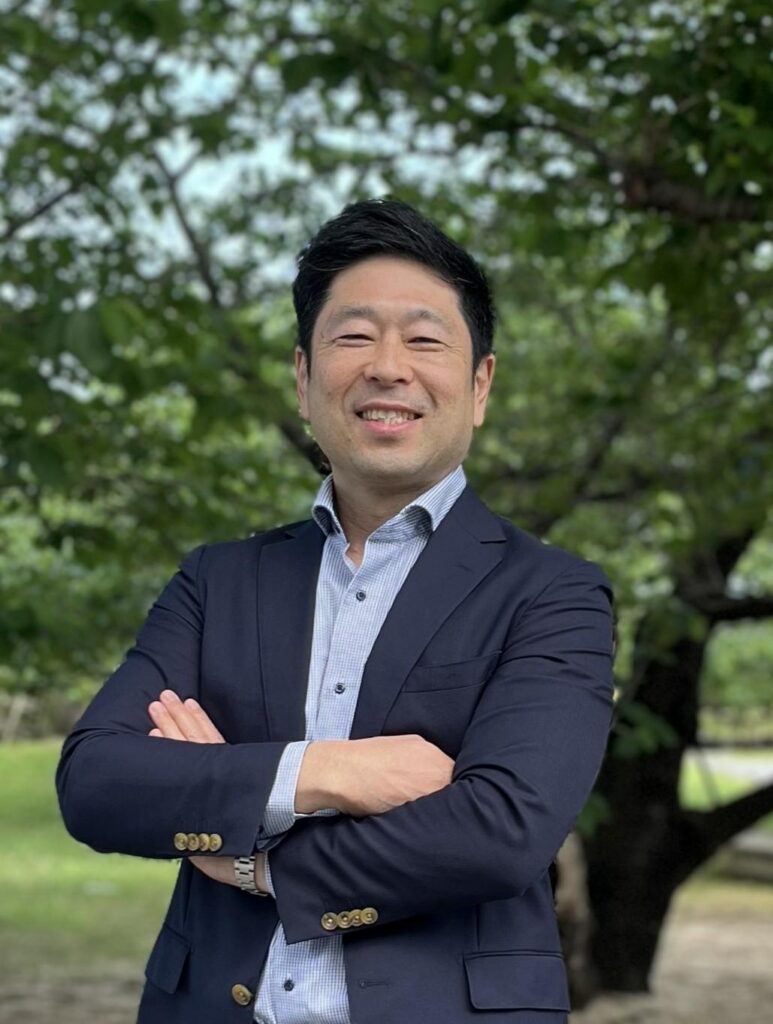
Kei Haraguchi
General Manager, LED Business Planning Department, Nichia Corporation. He will discuss LED spectral innovation and pathways for circadian-supportive lighting, including the case of Dynasolis™.
Luminus Devices|Meng Shuang
FAE Technical Lead at Luminus Devices. As an international LED light-source company, Luminus Devices will contribute perspectives on high-performance LEDs, spectral applications, engineering support and customer application translation.
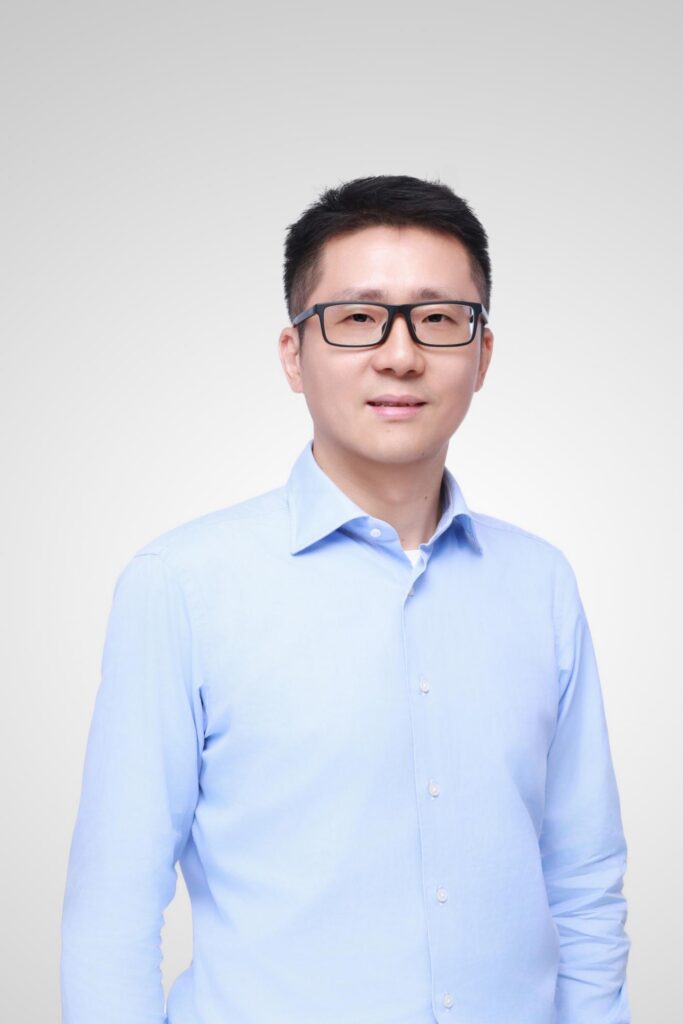
Xu Xiaomin
Representative of Seoul Semiconductor, contributing from Seoul Semiconductor’s accumulated work in natural-light-like and SunLike-related technology.
Zhao Sen
Representative of National Star, connecting China’s LED packaging and light-source industry chain.
Greatshine|Xia Zhenghao
General Manager of Greatshine. As a representative of the LED and light-source industry chain, Greatshine will contribute perspectives on light-source technology, product application and healthy-light industrial collaboration.
The participation of these light-source companies is crucial.
Healthy light cannot be achieved only by luminaire appearance or scene modes.
It requires foundational spectral capability, light quality, data expression, engineering support and manufacturing stability.
In the future, LED companies will not only provide light sources. They will also need to provide clearer healthy-light data language.
Leading lighting companies: from concept to products, systems and market
If healthy light cannot be productised, systematised and scaled, it cannot truly enter the market.
That is why this closed-door meeting also invites representative lighting companies and brand leaders. They cover professional lighting, commercial lighting, residential lighting, smart systems, international standards experience, lighting equipment and system solutions, as well as the research institute capabilities of established lighting companies.
This shows that healthy light is not a topic that belongs only in laboratories or design drawings. It must enter real products, real projects, real channels and real operation.
NVC Lighting / 雷士照明|Gong Hao
Head of marketing at NVC Lighting / 雷士照明, representing the market, brand, channel and customer-conversion strength of a leading Chinese lighting company. For healthy light to enter wider commercial, workplace, hospitality, education, residential and project scenarios, it must be scaled through the market systems and project networks of leading brands.
NVC Lighting / 雷士照明|Shi Min
Head of R&D at NVC Lighting / 雷士照明, representing product development and technical verification. His participation can help move healthy light from market language toward product definition, technical implementation, parameter systems and R&D verification.

PAK / 三雄极光|Lin Yan
General Manager of PAK / 三雄极光, representing an important force among China’s leading lighting brands and healthy-light scenario practices. PAK / 三雄极光 has a strong foundation in workplace, commercial and education applications, and can help move healthy light from concept into deliverable scenarios.
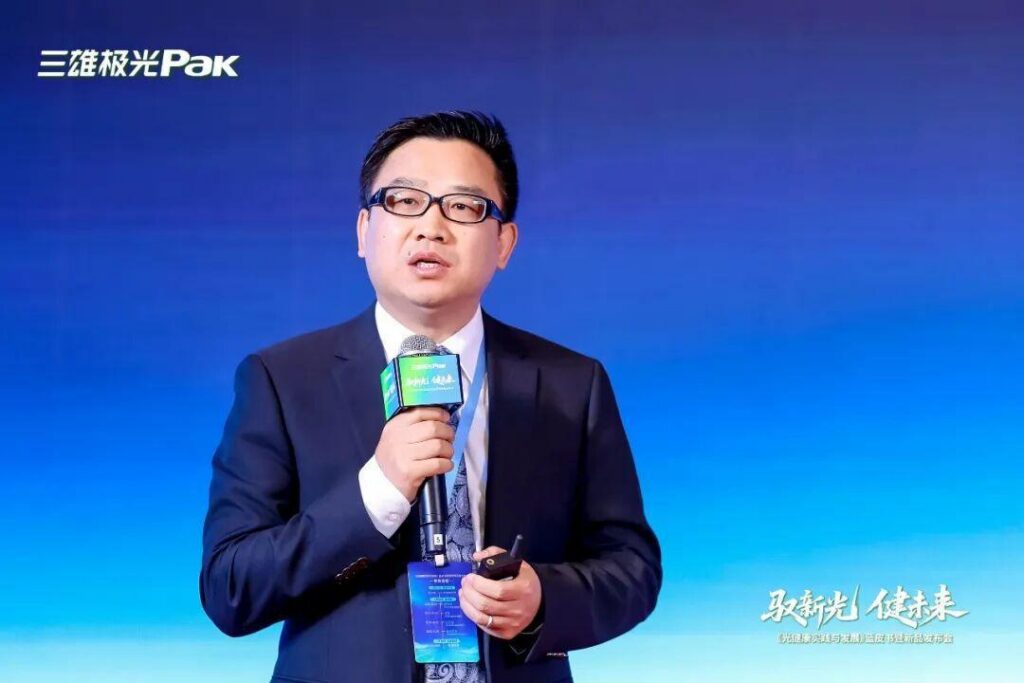
PAK / 三雄极光|Zhu Liyi
R&D General Manager of PAK / 三雄极光, representing research, product technology and engineering implementation.
PAK / 三雄极光|Zhou Ning
Product Director of PAK / 三雄极光. He will speak at the main forum on moving from office lighting to healthy light scenarios, and will also help connect product, scenarios and market needs in the closed-door discussion.
CDN / 西顿照明|Hu Yonghong
CEO of CDN / 西顿照明, representing China’s high-end commercial and professional lighting brand strength. CDN / 西顿照明 has strong influence in professional lighting, hospitality, commercial and high-end spaces, and can help healthy light enter high-value projects and application scenarios.
CDN / 西顿照明|Zhou Yang
Technology / business representative of CDN / 西顿照明, connecting products, technology and application scenarios.
Goneo Muguang / 公牛沐光|Jiang Jinbiao
General Manager of Goneo Muguang / 公牛沐光. As an emerging brand force with channel, brand, residential and smart-lighting potential, Goneo Muguang / 公牛沐光 is well positioned to explore healthy light in home lighting, smart terminals, channel access and user scenarios.
Goneo Muguang / 公牛沐光|Zou Weihong
Product Lead of Goneo Muguang / 公牛沐光, contributing from product definition, scenario needs, user experience and residential healthy-light implementation.
Signify APAC|Yu Yan
Senior Standardisation Manager, Signify APAC Standards Team. As a global leading lighting company, Signify has deep experience in product standards, regulatory compliance, technical boundaries, international markets and healthy-light applications. Yu Yan’s participation represents not only a standards perspective, but also how an international leading lighting company can build a sustainable healthy-light language between science, regulation, products and markets.

Traxon|Jack Chong / Zhuang Junjie
CEO of Traxon. Traxon should not be understood only as a control systems company. It should be positioned as a lighting equipment and systems company with luminaire, system, dynamic lighting and scenario-solution capabilities. Traxon has extensive experience in architectural lighting, dynamic control, media façades, scene systems and large-scale project implementation. Its participation helps move healthy light from isolated luminaires and single parameters toward controllable, programmable, operable and verifiable spatial systems.
Foshan Lighting Research Institute|President Wang Qihu
President of the Foshan Lighting Research Institute, representing the research institute system and product development capability of a major traditional Chinese lighting company. As an important force in China’s lighting industry, Foshan Lighting’s research institute can help move healthy light from industry advocacy toward product development, standards understanding and technology reserves.
The significance of these company representatives is clear: Healthy light cannot remain only in discussions among scientists and designers. It must enter products, channels, projects, brands, systems and real markets.
When NVC Lighting / 雷士照明, PAK / 三雄极光, CDN / 西顿照明, Goneo Muguang / 公牛沐光, Signify, Traxon and Foshan Lighting sit at the same table, it shows that the next stage of healthy light will not be a solo performance by one brand. It must be advanced through industry collaboration across market, R&D, products, standards, systems, design and application scenarios.


Making healthy light run: from good luminaires to good lighting environments
Healthy light is not static.
True good light must be dynamically managed according to time, scenario, task, daylight, human behaviour and environmental conditions.
Therefore, lighting equipment, control protocols, sensing, AIoT, system integration and measurement verification will all be essential.
The real value of future healthy light may not lie in a single luminaire or a single control function. It may lie in: the system collaboration between light sources, luminaires, controls, sensors, data, design and operation.
This is why the open protocol ecosystem represented by DALI, the implementation capability represented by Traxon, and the product and market strength of companies such as NVC Lighting / 雷士照明, PAK / 三雄极光, CDN / 西顿照明, Goneo Muguang / 公牛沐光, Signify and Foshan Lighting all need to be present at the same table.
Because the next step for healthy light is not merely to “make a good lamp”. It is to build a good lighting environment that can be designed, controlled, measured, verified and operated.
Why is this closed-door meeting so rare?
Because it is neither an ordinary dinner nor a casual pre-event exchange.
Its rarity lies in four aspects.
First, high cross-disciplinary density
Good Light global advocacy, scientists, designers, standards organisations, industry associations, control protocols, LED light sources, leading lighting companies, lighting equipment and systems companies, sleep medicine, healthy buildings and industry leaders are all involved. Such a combination is not common in the Asian lighting industry.
Second, deep issues
This is not about one product or one project. It is about the common language of healthy light, scientific boundaries, industrial action, LED WG, HCL-ready data, EDI / DER, CIE S 026, DALI, design translation and demonstration projects.
Third, invitation-based participation
The closed-door meeting is not a public-registration event. It is a small-scale invitation-based alignment meeting. Each participant is not merely an audience member, but a potential co-builder, contributor and driver.
Fourth, connection to follow-up action
8 June is not the end. It connects directly to the 9–10 June main forum and the 9–11 June Focus Groups / Action Day.
In other words: The closed-door meeting aligns the key forces. The main forum speaks publicly to the industry. The focus groups translate discussion into action.
From one table to an action network
deLIGHTed talks Asia is not intended to be a short-lived event. Its deeper goal is to help build an Asian action network for healthy light.
The 8 June closed-door meeting brings the core forces to the same table.
The 9–10 June main forum brings key issues to the wider industry.
The 9–11 June focus groups move discussions toward working groups, demonstration projects and industrial collaboration.
Together, they form the complete structure of theGood Light Wake-up Call: align first, speak publicly, co-create, then act.
If the theme of GILE 2026 is Light-Enhanced Living, deLIGHTed talks Asia asks one of the most important questions within that era: What kind of light can truly be responsible to people?
This invitation is for those who are ready to act
The 8 June closed-door meeting is limited and invitation-based.
But the Good Light Wake-up Call does not belong only to this closed-door table. It also invites everyone who truly wants to move the industry forward.
If you are a scientist, help the industry build evidence and boundaries.
If you are a designer, help science enter real spaces.
If you are a business leader, help define the new value of healthy light.
If you represent a standards body or industry association, help build credible language.
If you are an owner or application-side stakeholder, bring real needs to the table.
If you work in product, R&D, controls, measurement, testing or software, help build the next-generation healthy-light data and verification pathway.
The main forum is open to the industry.
The focus groups are invitation-based and subject to registration review.
Follow-up working groups and demonstration projects will continue to invite partners with real willingness, capability and responsibility.
Closing: meaningful change begins when a few people sit down seriously
The future of an industry will not change because of one slogan.
But it may begin to change when a group of people are willing to take responsibility.
On 8 June, the Good Light Wake-up Call / LED WG closed-door meeting will bring the key scientific, design, standards, protocol and industry forces of healthy light to the same table.
The table will not be large. But the questions are important enough.
They concern whether the lighting industry can move from buzzwords to scientific consensus; whether healthy light can move from product claims to spatial value; whether the Asian lighting industry can move from following trends to defining trends; and whether we can still hold our own position in the next discourse around healthy buildings, smart spaces, AIoT and human-centric environments.
The Good Light Wake-up Call is not about noise. It is awareness, self-determination and action.
On 8 June, the key forces align.
On 9–10 June, the main forum speaks publicly.
On 9–11 June, the focus groups continue the work.
From this table, let Good Light move toward the next common language of the industry.


 English
  Chinese (China)
  Chinese (Taiwan)