
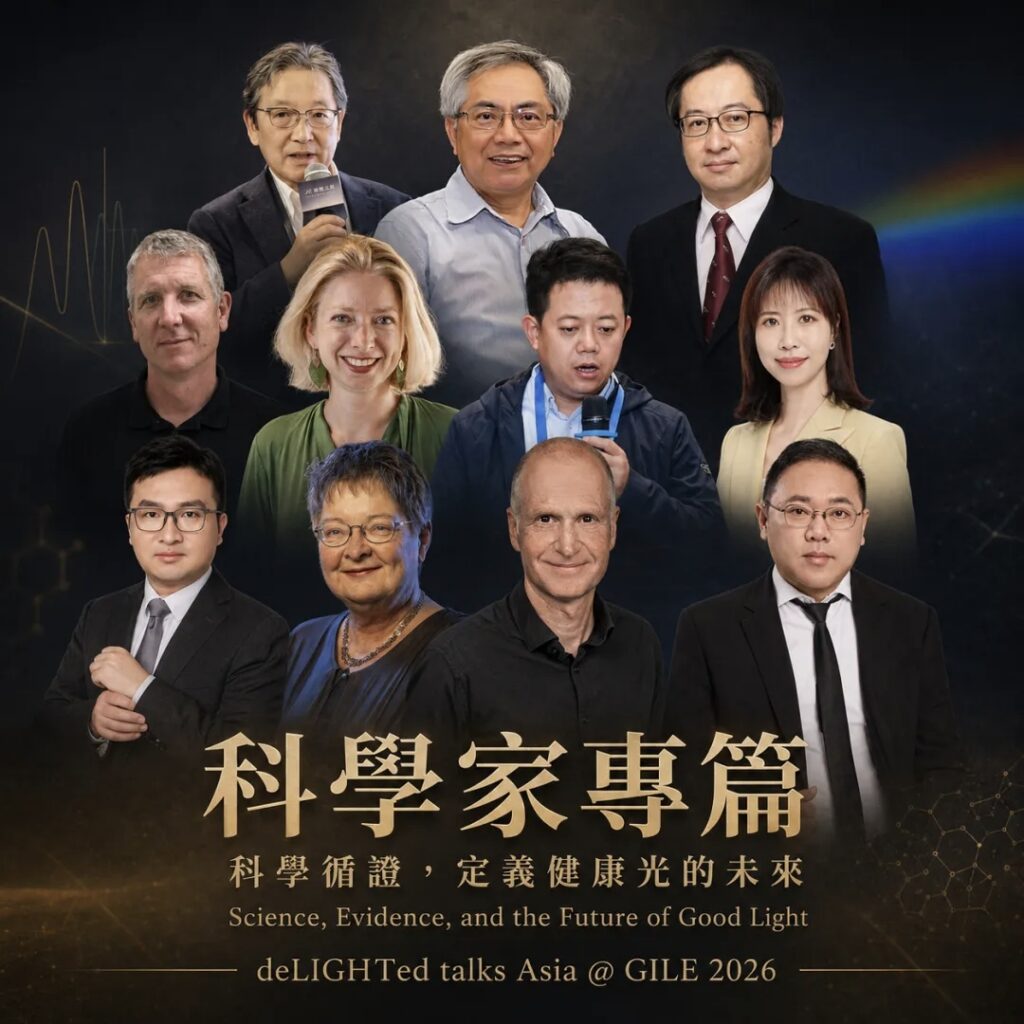
Healthy Light Cannot Rely on Feelings Alone: These Scientists Are Rebuilding the Foundational Evidence of the Lighting Industry. From circadian rhythms, sleep, Alpha-opic Metrics, and NIR to neuroscience and EEG, healthy lighting must move from slogans to evidence-based practice.
The lighting industry is undergoing an important turning point.
In the past, we were accustomed to describing a light fixture using metrics such as illuminance, correlated color temperature (CCT), color rendering index (CRI), luminous efficacy, lifetime, power consumption, and price. These metrics remain important.
However, as we begin discussing healthy lighting, circadian lighting, sleep support, eye comfort, healthcare and wellness, workplace productivity, educational lighting, healthy homes, healthy buildings, and human-centric lighting, the industry must confront a more fundamental question:
How does light actually affect people?
If this question is not addressed seriously, healthy lighting can easily become a buzzword. Products can claim to be “healthier,” spaces can claim to be “more comfortable,” systems can claim to be “smarter,” and marketing can claim to be “closer to nature.”
But without scientific metrics, mechanisms of action, measurement methods, validation pathways, and real-world evidence, such claims will quickly be exhausted by the market and ultimately erode trust in the industry.
The next stage of healthy lighting cannot rely on feelings alone, and it certainly cannot rely on slogans alone. It must be built on scientific evidence.
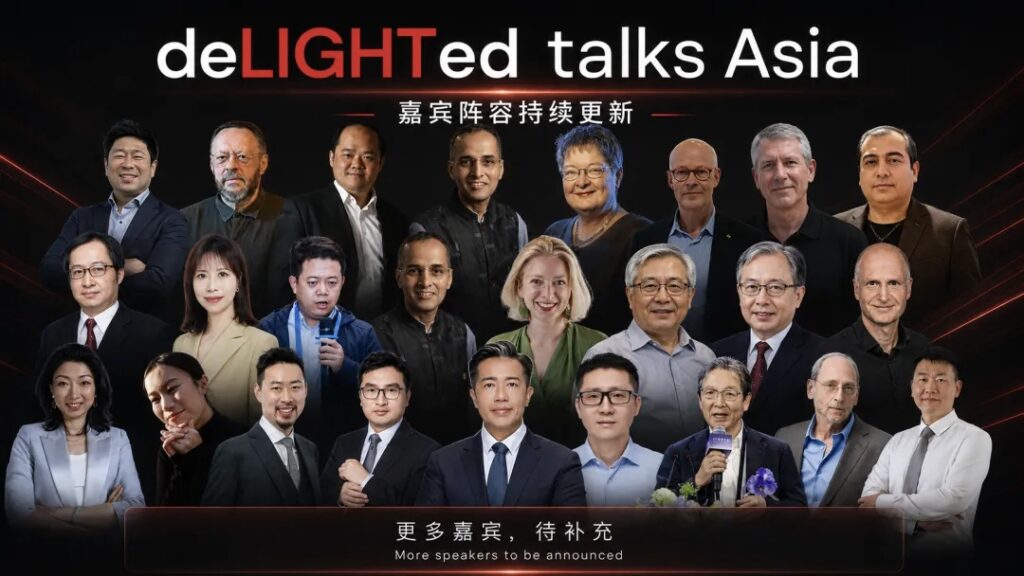
This is precisely the first objective that deLIGHTed talks Asia @ GILE 2026 / Good Light Wake-up Call seeks to advance: bringing healthy lighting back from conceptual hype to a solid scientific foundation.
1 | Why Is Scientific Evidence So Important?
Because healthy lighting is not just another product selling point. Once it enters the language of “health,” it inevitably involves sleep, circadian rhythms, vision, mood, alertness, learning, work performance, recovery, senior care, healthcare, and long-term quality of life. That means it must be held to a higher standard of rigor.
If we simply say, “brighter light makes people more alert,” that is experience. If we say, “warmer light helps people sleep better,” that is perception. If we say, “full-spectrum light is healthier,” that is a concept. If we say, “NIR benefits health,” that may still be a hypothesis or direction of research. If we say, “this is a healing lighting system,” then even stronger evidence and clearer boundaries are required.
True healthy lighting must answer fundamental questions: What is the spectral composition? What is the illuminance level? Which photoreceptive pathways are being stimulated? How much light actually reaches the eye? How long is the exposure? At what time of day does it occur? For which populations, scenarios, and tasks is it effective? Which metrics are used to measure it? Which methods are used to validate it? What claims can reasonably be made, and what claims should not be exaggerated?
The value of scientific evidence is not to make the industry more conservative. On the contrary, it enables healthy lighting to go further. Without evidence, healthy lighting can only rely on marketing. With evidence, it can become part of design, standards, products, controls, measurement, commissioning, and demonstrable value for building owners.
2 | From Lux and CCT to Alpha-opic Metrics: Healthy Lighting Needs a New Measurement Language
In the past, the lighting industry’s most familiar language was lux and CCT. Lux tells us how bright a space is. CCT tells us whether light appears warm or cool. But the human body does not only receive light in terms of “brightness” and “warmth.”
Light also has spectral composition, direction, timing, eye-level exposure, and dynamic variation. It also interacts with age, behavior, task, routine, and context. Therefore, healthy lighting requires a new measurement language.
Metrics and frameworks such as Alpha-opic metrics, melanopic EDI, DER, and CIE S 026 are important because they give the industry a more rigorous way to discuss questions such as: Is there sufficient effective light exposure during the day? Has unnecessary stimulation been reduced at night? How can different light sources be compared in terms of their impact on human photoreceptive pathways? How can healthy lighting data be integrated into design software? How can on-site measurements be aligned with design intent? How can project acceptance move from “looks good” to “can be verified”?
This is not simply about adding a few technical terms; it is an upgrade of the industry’s shared language.
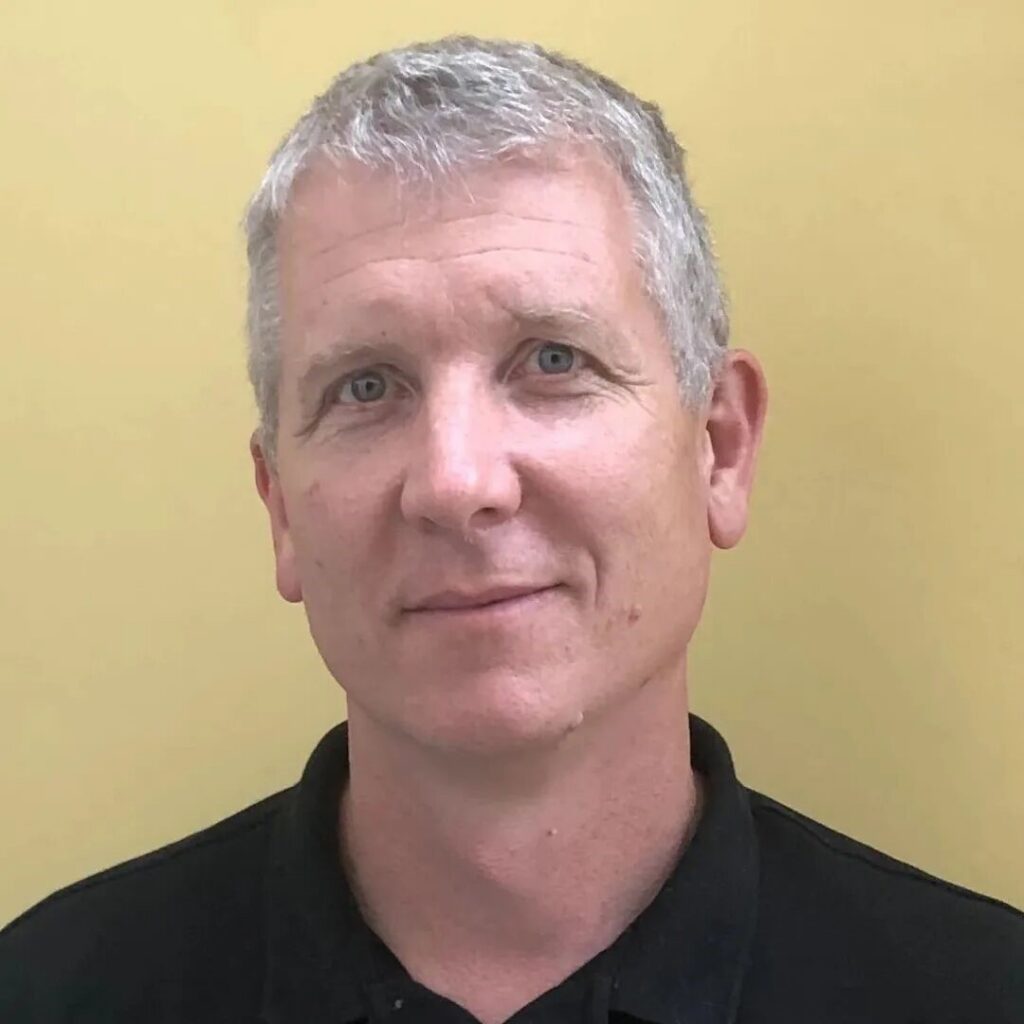
Rob Lucas
3 | Why Healthy Lighting Must Go Beyond Lux / CCT?
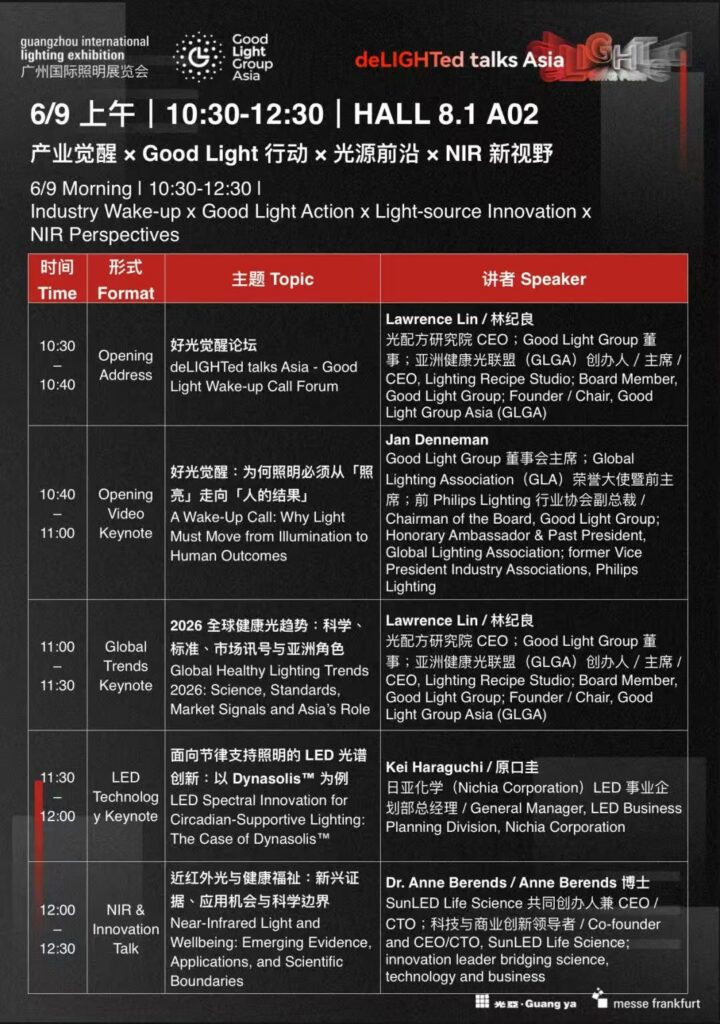
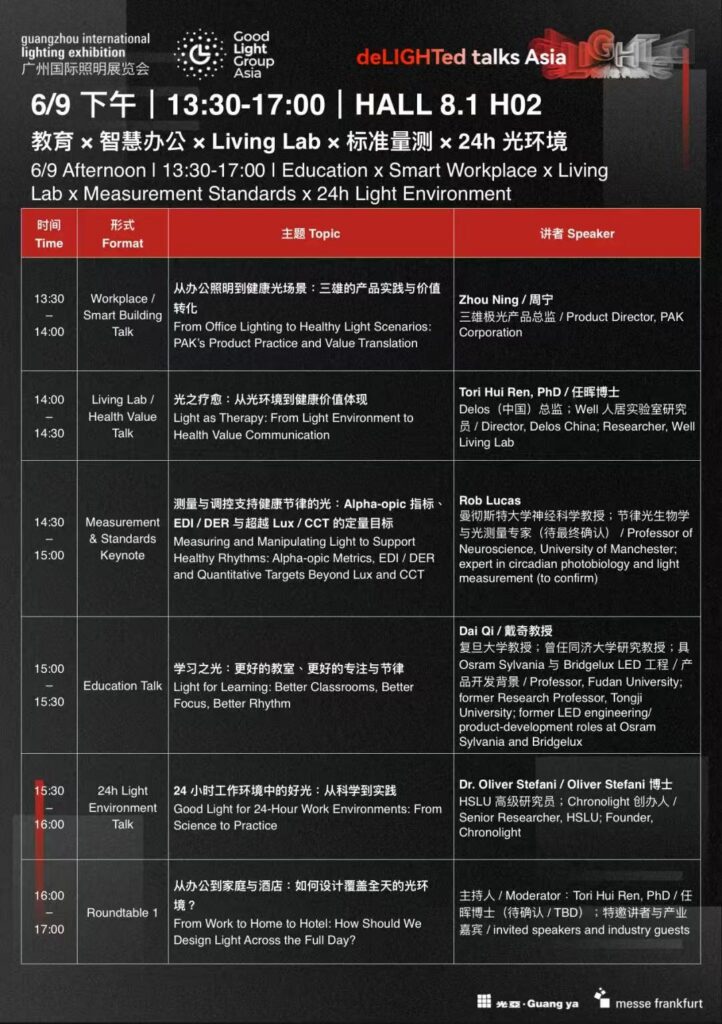
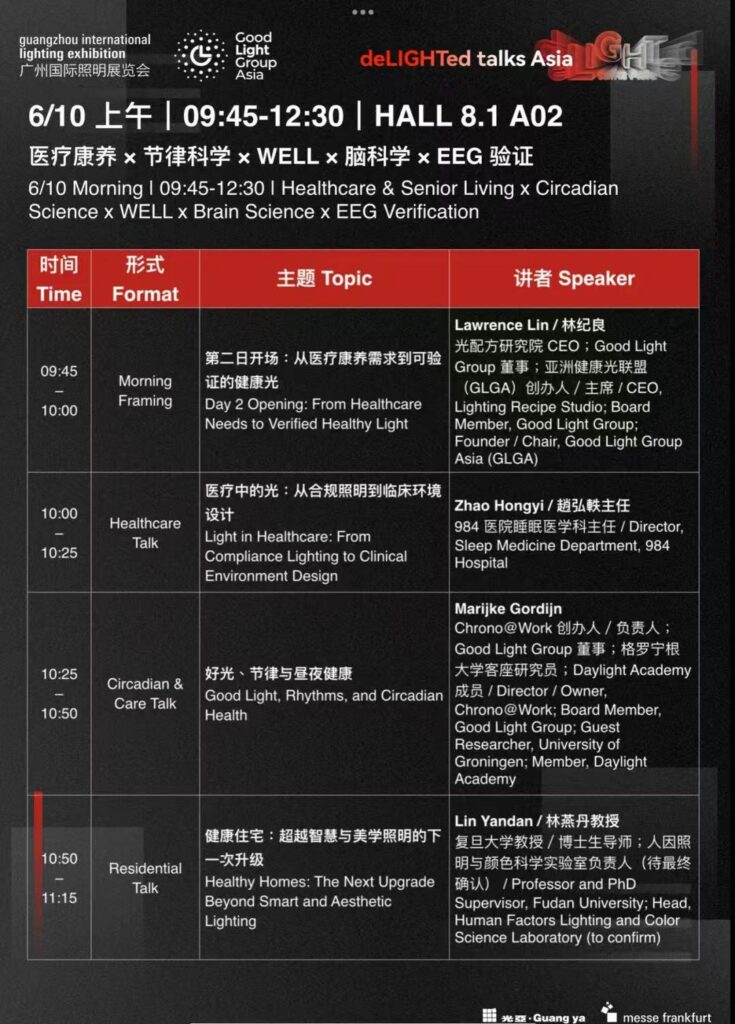
Rob Lucas is a Professor of Neuroscience at the University of Manchester. He has long conducted research on light measurement, Alpha-opic metrics, EDI/DER, and circadian health. His involvement is particularly critical for deLIGHTed talks Asia.
This is because what Rob represents is not merely a scientific presentation, but a fundamental shift at the industry level: moving from traditional visual lighting metrics toward a scientific measurement framework that considers both visual and non-visual aspects of light.
In discussions on healthy lighting, two extremes must be avoided. One is remaining entirely within traditional lighting language, focusing only on illuminance, color temperature, and color rendering. The other is excessively generalizing health claims, where any reference to circadian rhythms, sleep, or emotion is used to package products as “health solutions.”
Rob’s scientific contribution helps the industry move beyond both extremes. He makes it clear that healthy lighting does not mean abandoning lux and CCT, but rather not being limited by them.
We still need high-quality visual lighting. At the same time, we must understand how different wavelengths, spectra, and exposure conditions affect human physiology, circadian rhythms, and the non-visual system. This is highly relevant for LED companies, luminaire manufacturers, control systems, measurement tools, design software, WELL and healthy building standards, and project commissioning.
Because once the language of measurement changes, the entire industry chain must change with it.
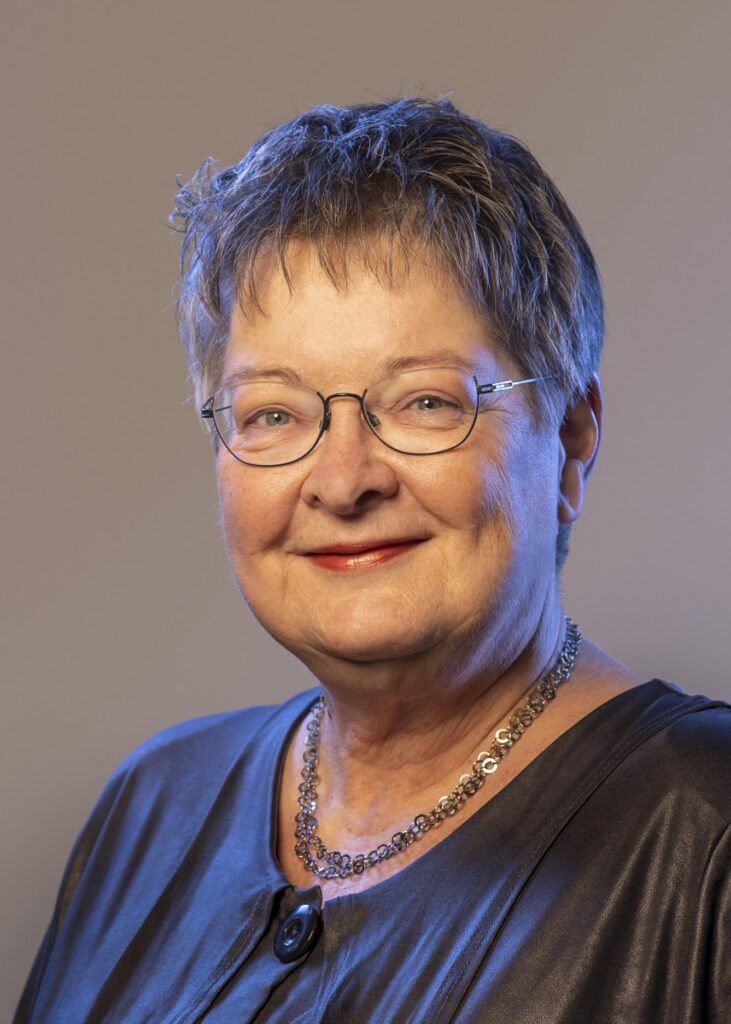
Marijke Gordijn
4 | Good Light, Circadian Rhythm, and Day–Night Health
Marijke Gordijn is the founder of Chrono@Work and a board member of the Good Light Group. She has long conducted research on circadian rhythms, sleep, light, human behavior, health, and performance. Her work reminds us that light is not a momentary stimulus; it is a continuous environmental signal across the entire day.
From a human biology perspective, morning light, afternoon light, and nighttime light should not be treated as the same issue. During the day, sufficient effective light exposure may be needed to support alertness, activity, and stable circadian alignment. In the evening, there should be a transition from work mode to rest mode. At night, unnecessary stimulation should be reduced to protect sleep and circadian health. In the early morning hours, when caregiving, work, or movement is required, safety and minimal disruption must both be considered.
This is one of the core meanings of Good Light: good light is not the brightest light, nor the dimmest light, but the right light at the right time, in the right space, for the right human need.
Marijke’s participation helps the industry connect circadian science with real-life contexts. Offices, schools, hospitals, elderly care facilities, hotels, homes, and shift-work environments all require this perspective. If healthy lighting cannot understand “a human day,” it cannot truly serve human life.
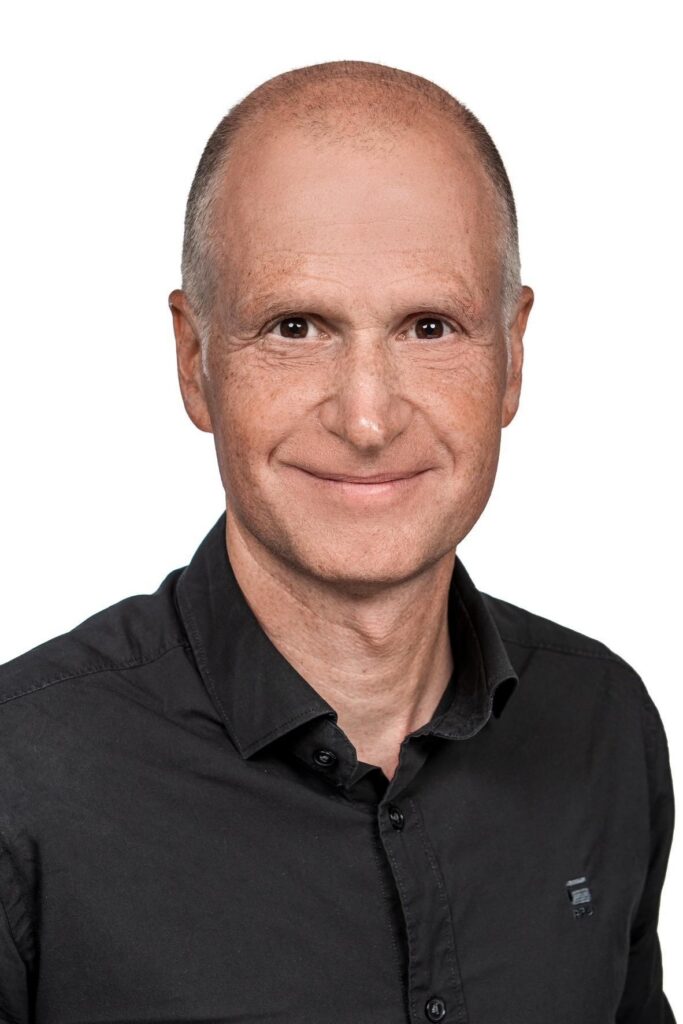
Dr. Oliver Stefani
5 | Good Light in 24-Hour Work Environments
Dr. Oliver Stefani, is a senior researcher at HSLU and founder of Chronolight. His work focuses on light biophysics, integrative lighting, and how 24-hour working environments can move from scientific understanding to practical application. His topic is highly grounded in reality.
Modern society does not operate on a simple day–night schedule. Hospitals, factories, airports, transportation systems, security services, data centers, hotels, the service industry, exhibitions, and large-scale events all run continuously. In these 24-hour environments, lighting design cannot be limited to visual tasks alone.
It must also consider: how shift workers maintain necessary alertness, how circadian disruption from shift work can be reduced, how daytime recovery can be supported, how nighttime lighting can balance safety and health, how different roles, ages, and exposure durations should be managed, and whether dynamic lighting truly supports human state rather than merely creating scene effects.
Oliver’s value lies in connecting scientific research with real working environments. Healthy lighting cannot exist only in laboratories, nor can it remain limited to high-end demonstration spaces. It must enter complex real-world operational contexts and be tested through practical application.
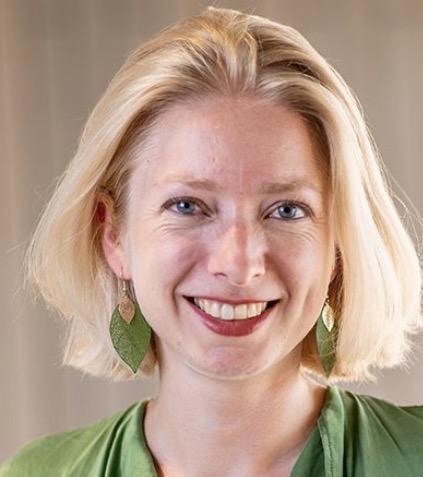
Dr. Anne Berends
6 | Opportunities and Boundaries of Near-Infrared (NIR) Light
Dr. Anne Berends, is Co-founder and CEO/CTO of SunLED Life Science. She will present on emerging evidence, application opportunities, and scientific boundaries of near-infrared (NIR) light and health and well-being. NIR is currently one of the most discussed new directions in healthy lighting. It carries both strong potential and significant industrial opportunity. However, the more emerging a field is, the more it requires clear scientific boundaries.
Anne’s topic is particularly important because she does not only discuss opportunities, but also boundaries. Near-infrared light is often associated in research discussions with areas such as mood, circulation, inflammation, eye health, and tissue response. However, when these topics move toward industrial application, caution is essential.
Key questions must be addressed: What is the dosage? What wavelength range is used? What are the distance and angle of exposure? How long is the exposure time? Who is the target population? In which contexts is it appropriate? Are there clear safety limits? Is there reproducible evidence? And how do we prevent early-stage research from being overstated in marketing claims?
This is especially critical for the lighting industry, which has traditionally been strong in product development but not always experienced in the scientific boundaries of health-related claims. Anne’s contribution helps the industry mature in its approach to NIR: not blindly chasing trends, and not avoiding innovation, but building a responsible pathway between evidence, dosage, boundaries, and application context.
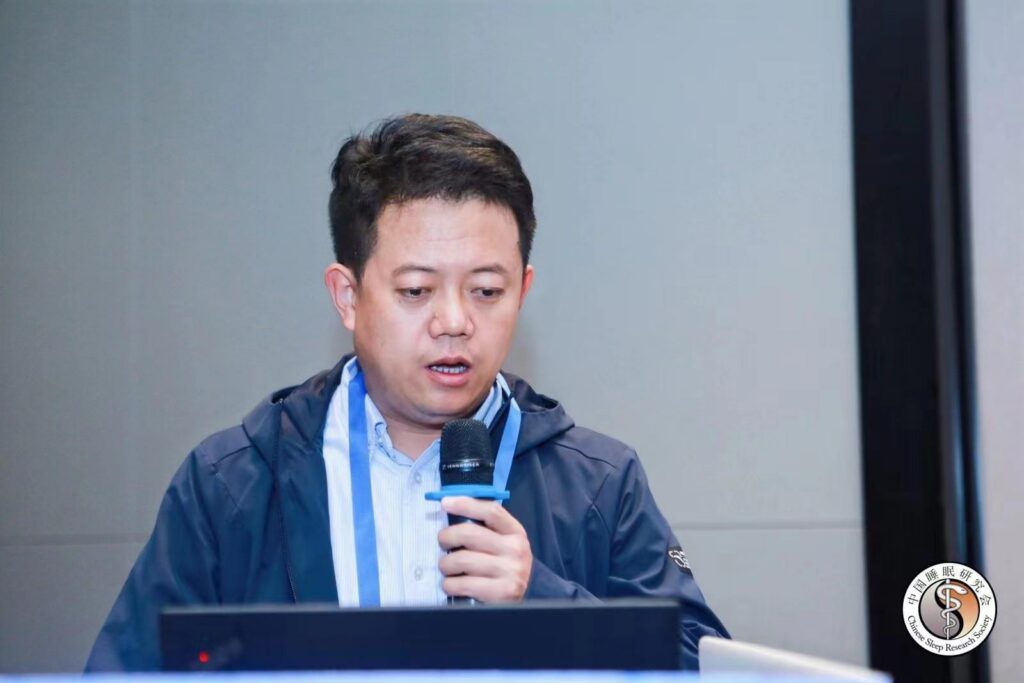
Zhao Hongyi
7 | From Sleep Medicine to the Light Environment
Director Zhao Hongyi from the Sleep Medicine Department of 984 Hospital will contribute from the perspective of medical lighting, sleep medicine, and clinical environment design. This brings healthy lighting back into real clinical settings. Sleep treatment centers, hospitals, wards, nurse stations, rehabilitation spaces, and elderly care facilities are not conceptual showcases.
These environments involve patients, older adults, medical staff, nighttime care, safety requirements, clinical workflows, and real sleep disorders, as well as strict health boundaries that must be carefully respected. If the lighting industry aims to enter healthcare and wellness, it must first learn to understand clinical needs. It cannot simply transfer commercial lighting solutions into hospitals, label a “sleep-friendly lamp” as a medical intervention, or replace clinical requirements with spatial ambience.
Director Zhao’s participation helps ground the discussion in essential questions: What kind of lighting environment does a sleep center truly require? How can circadian disruption be minimized during nighttime care? How can patient rest and medical staff operations be balanced? How can healthcare environments establish lighting strategies that are verifiable, maintainable, and operational? Which scenarios are suitable for demonstration, and which claims must be made with greater restraint?
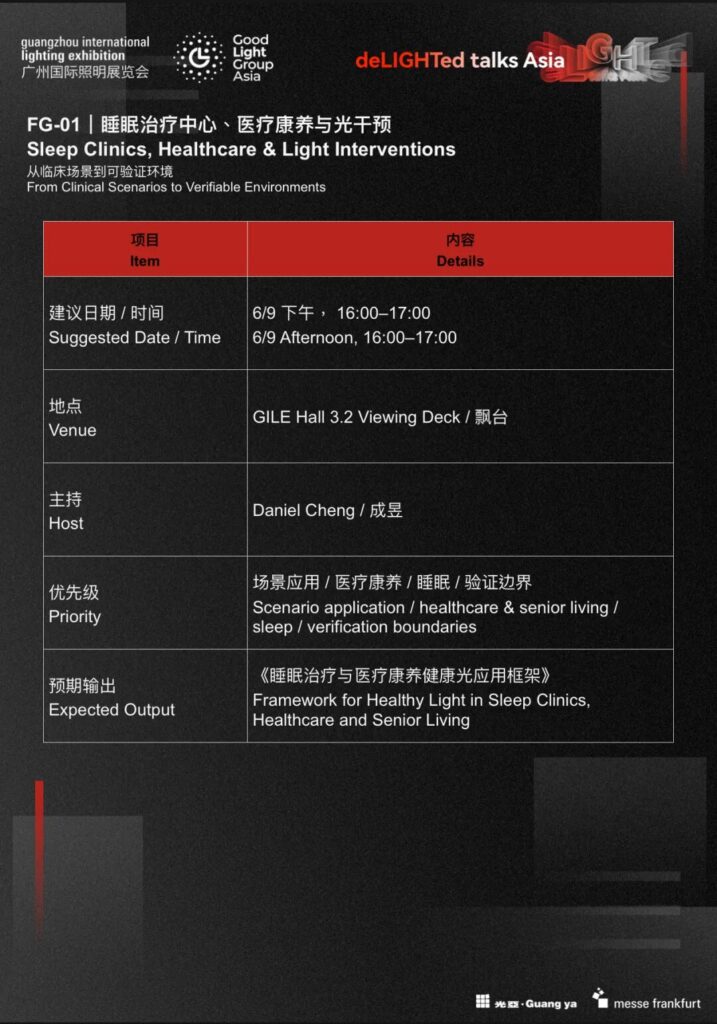
This is especially critical for FG-01: Sleep Clinics, Healthcare & Light Interventions.
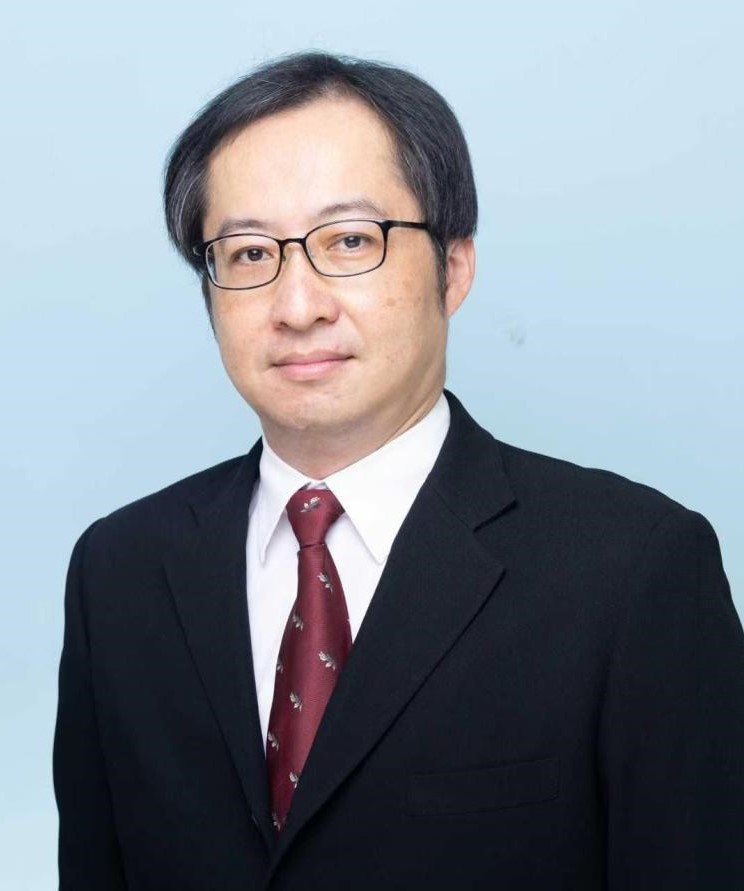
Dr. Wei-Jye Lin
8 | How Light Acts on the Brain
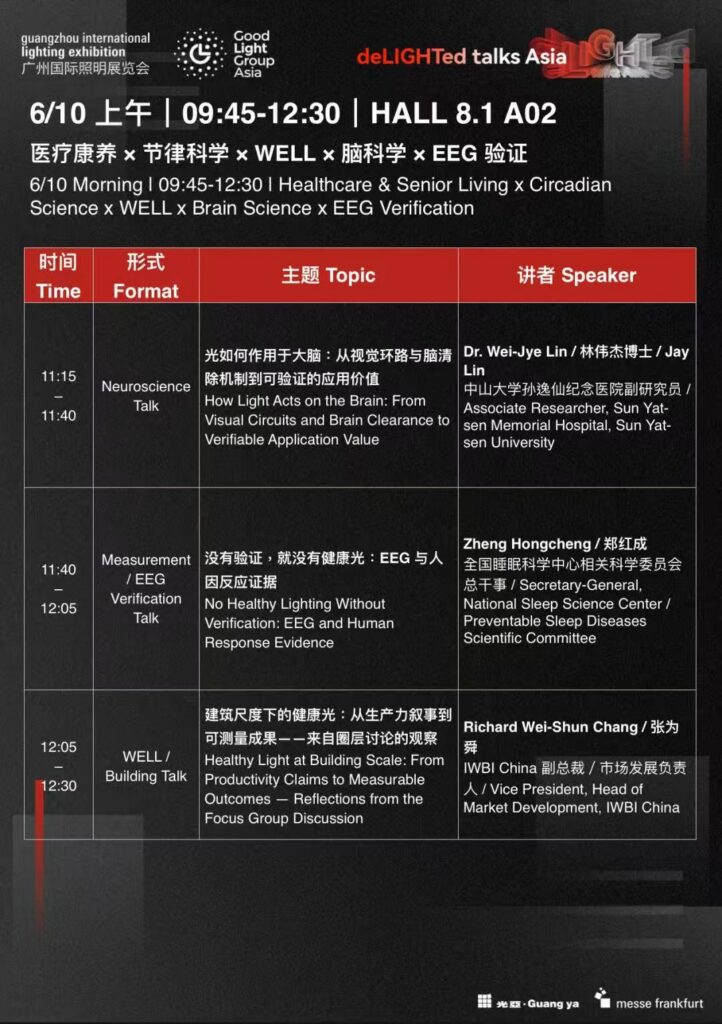
Dr. Wei-Jye Lin from Sun Yat-sen Memorial Hospital, Sun Yat-sen University, will share insights on how light affects the brain, from visual pathways and brain clearance mechanisms to verifiable application value. This brings the discussion of healthy lighting further into the realm of neuroscience.
Light does not only illuminate objects. After entering the eye, it engages both the visual system and non-visual pathways that help regulate human states. It may be associated with alertness, attention, sleep, emotion, circadian rhythms, brain function, and behavioral performance. However, these relationships cannot be oversimplified.
The closer we move toward brain and neural mechanisms, the greater the need for rigorous research. Dr. Lin’s participation helps the lighting industry understand which mechanisms already have a relatively solid scientific basis, which directions are still exploratory, which applications have translational potential, which product claims require caution, and how neuroscience language can be translated into validation pathways understandable to the lighting industry.
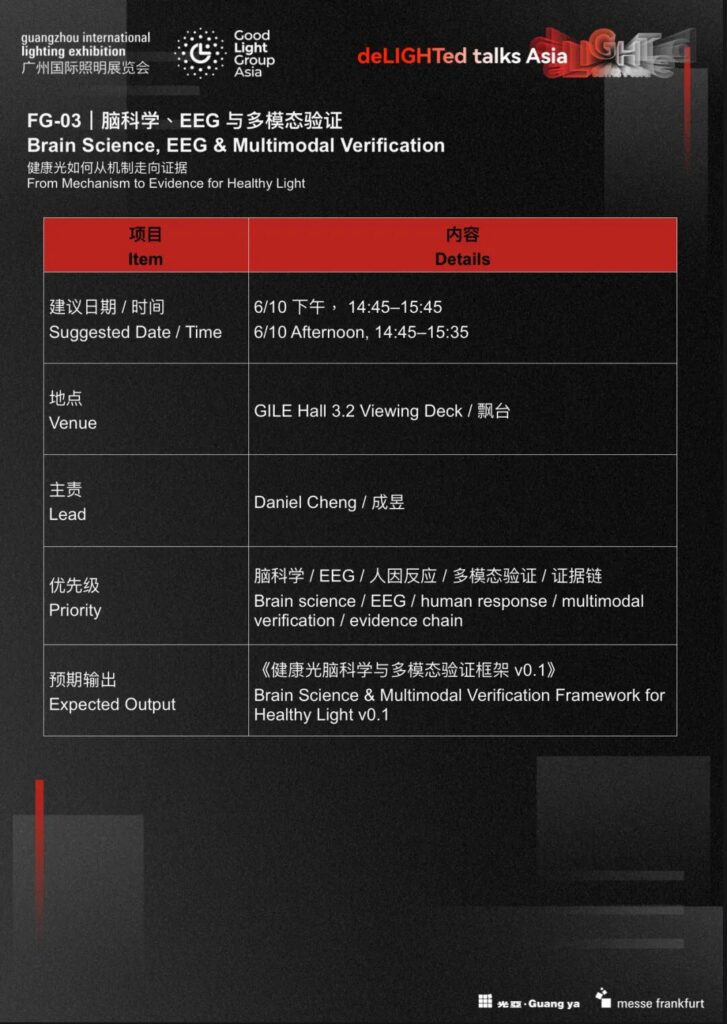
This is also directly connected to FG-03: Brain Science, EEG & Multimodal Verification. Healthy lighting cannot rely on subjective perception alone; it must progressively establish mechanisms, evidence, and validation frameworks.

Zheng Hongcheng
9 | EEG, Human Factors Response, and Healthy Lighting Validation
Zheng Hongcheng is affiliated with the Scientific Committee of the National Sleep Science Center. He will contribute to discussions on healthy lighting validation from the perspective of EEG and human factors evidence. This is a critical missing piece in the current healthy lighting landscape.
Many companies are already discussing circadian regulation, sleep support, emotion, focus, and therapeutic lighting. However, the real question is: how can these claims be proven? How can they be measured? How can confounding factors be controlled? How can reproducible experiments be established? How can short-term responses be distinguished from long-term outcomes? And how can scientific metrics be meaningfully connected to industrial applications?
EEG and multimodal validation are not intended to make healthy lighting sound more complex. Their value lies in helping the industry move from self-declared claims to evidence-backed validation.
If healthy lighting is to be applied in healthcare, wellness, workplaces, education, residential environments, hotels, and healthy buildings, a more complete validation pathway must gradually be established. This requires collaboration between scientists, companies, designers, measurement tool developers, and real-world application stakeholders.
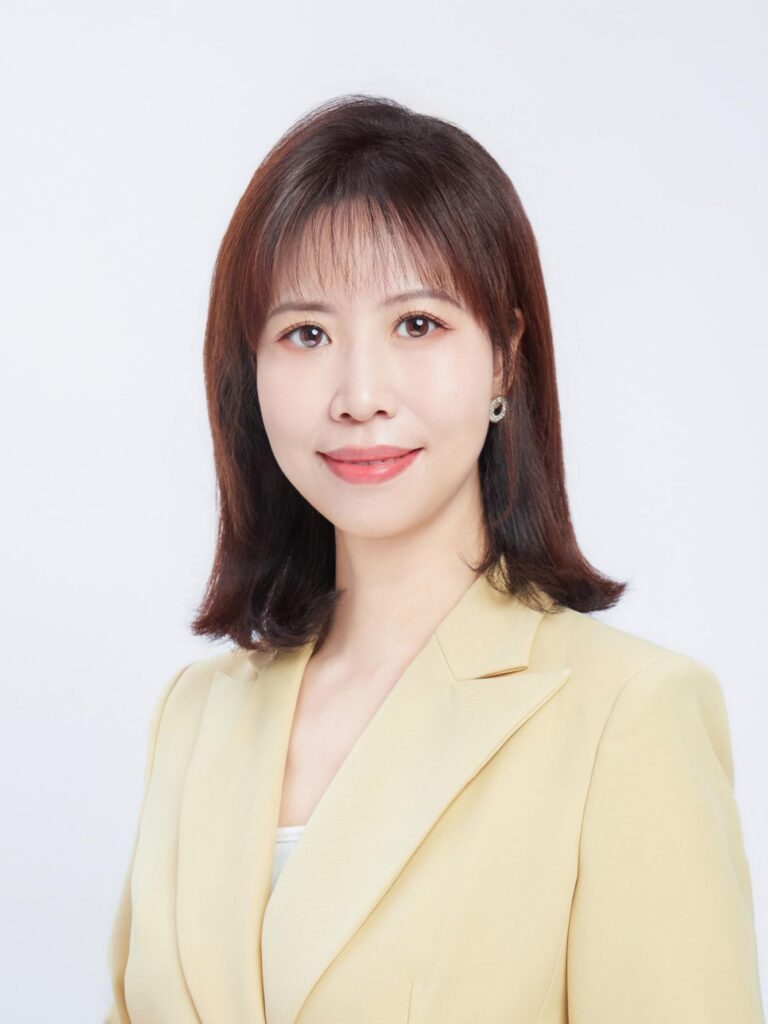
Professor Lin Yandan
10 | Human-Centric Lighting and Color Science
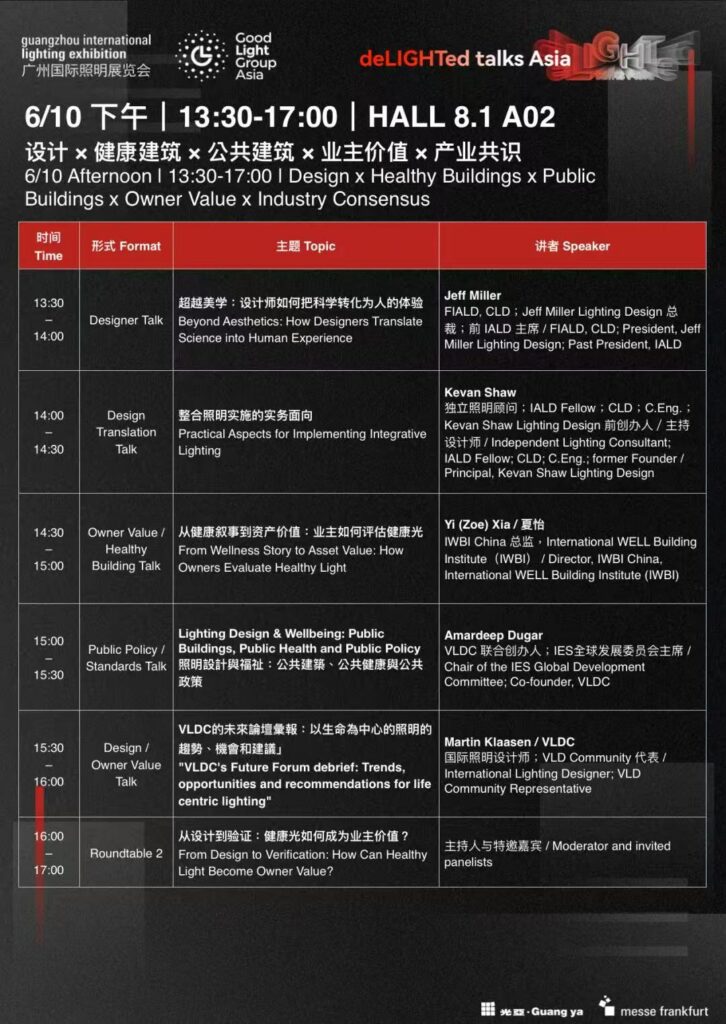
Professor Lin Yandan from Fudan University is an important scholar in the field of human-centric lighting and color science. She has long focused on healthy housing, human-centric lighting, color science, and lighting environment evaluation. Her participation is particularly important because healthy lighting cannot focus solely on non-visual effects.
Visual quality remains the foundation of healthy lighting. A space may appear strong in circadian metrics, but if it suffers from severe glare, poor color rendering, color distortion, visual fatigue, or improper contrast, it still cannot be considered good lighting.
Healthy lighting must simultaneously consider visual comfort, color quality, spatial perception, task requirements, emotional experience, circadian support, human factors evaluation, and on-site validation. Professor Lin’s perspective helps the industry avoid reducing healthy lighting to a single metric.
Healthy lighting is not defined only by melanopic content, nor only by full-spectrum concepts, nor only by changes in color temperature. It should be understood as an integrated lighting environment where visual and non-visual effects, human factors and spatial experience, science and design all interact together.

Professor Dai Qi
11 | From LED Engineering to Educational Lighting and Circadian Support
Professor Dai Qi from Fudan University has a background spanning LED engineering, product development, and academic research. His presentation will focus on educational lighting, learning concentration, and circadian support. His value lies in bridging two domains: LED engineering and industrial technology on one side, and educational spaces and human-centric applications on the other.
Educational lighting is a critical application area for healthy lighting. Students spend long hours in classrooms, libraries, study rooms, and learning environments. Light not only affects visual clarity, but may also influence visual comfort, attention, fatigue, circadian stability, and the overall learning experience.
However, educational lighting cannot be reduced to the concept of “eye-protection lamps.” It requires a more comprehensive discussion: What is the actual light exposure at the student’s eye level? Does the classroom provide sufficient circadian support during the day? How can unnecessary stimulation be reduced during evening study sessions? How can the visual needs of both teachers and students be balanced? How should spectrum, glare, flicker, color rendering, and spatial uniformity be managed together? And how can educational environments move from product procurement toward validated lighting environments?
This is precisely the question that science and industry must address together.

Professor Xiao Hongqing
12 | Lighting Science Education and Industry Knowledge Transfer
Professor Xiao Hongqing is a senior figure in lighting professional education in Taiwan and an important contributor in the industry. He has long been involved in promoting lighting knowledge dissemination, design education, and talent development within the lighting sector. Including Professor Xiao in the “scientific community” section is not because he represents laboratory-based research alone, but because scientific evidence in healthy lighting also depends on education, knowledge systems, and professional transmission.
For an industry to establish a new language, it cannot rely solely on a few conferences or presentations; it must be built through long-term education. In the past, the lighting industry successfully established a shared language around illuminance, photometric distribution, color rendering, glare, luminous efficacy, and color temperature precisely because these concepts were embedded in textbooks, academic courses, engineering practice, design standards, and professional training.
In the future, if healthy lighting is to be truly implemented, concepts such as EDI/DER, CIE S 026, circadian lighting, eye-level exposure, spatial modeling, human factors models, field measurement, and validation methods must also be integrated into the industry’s educational system.
Professor Xiao’s participation reminds us that healthy lighting is not a short-term marketing narrative. It must be taught, understood, trained, and passed on, becoming a fundamental capability for the next generation of lighting professionals. This is the key to establishing scientific evidence as a true industry consensus.

Kumpei Kobayashi
13 | From SunLike to the Science of “Truly” Healthy Light Sources
Kumpei Kobayashi is a scientist at Seoul Semiconductor and one of the key contributors to the development of SunLike-related technologies. He will participate online in the June 8 Good Light Wake-up Call / LED WG closed meeting, bringing perspectives on light source science, natural-spectrum lighting, spectral design, and the technological evolution of healthy lighting.
His participation is particularly significant because the scientific foundation of healthy lighting cannot exist only at the application level, nor solely at the design level—it must first return to the light source itself.
What makes a light closer to natural light? How is an LED spectrum designed? Is “natural-like light” merely a visual resemblance, or can it deliver deeper value in visual comfort, color fidelity, spectral continuity, and health-related applications? How can healthy light sources avoid being reduced to simple “full-spectrum” marketing claims? How can LED companies move beyond luminous efficacy, cost, CCT, and CRI toward spectral quality, circadian support, spatial application, and human factors validation?
These questions require the participation of light source companies such as Seoul Semiconductor and technical contributors like Mr. Kobayashi. SunLike is worth discussing not only as a product technology, but because it reminds the industry that the next stage of healthy lighting must begin with fundamental spectral capability.
If light source manufacturers cannot provide clear spectral data, luminaire companies cannot build reliable product language. If spectral data cannot flow into luminaires, design software, control systems, and field measurements, healthy lighting cannot form a complete chain. If concepts like natural-spectrum light, circadian support, spectral value, and visual comfort cannot be scientifically described and validated, they risk being reduced to marketing narratives.
Therefore, Mr. Kobayashi’s participation is a crucial complement to this scientific section. He connects LED light source science, natural-spectrum design, SunLike technology evolution, foundational engineering for healthy lighting, and the future development of HCL-ready data, EDI/DER, and spectral information language.
Healthy lighting does not begin with slogans. It begins with the spectrum of light itself—and with whether light source companies are willing to take responsibility for scientific and engineering rigor.
The shared role of these scientists: transforming healthy lighting from “persuasive storytelling” into “credible, evidence-based systems.”
These scientists and scholars come from diverse fields: neuroscience, circadian biology and sleep science, photobiology, near-infrared life science, sleep medicine, brain science, EEG and multimodal validation, human-centric lighting, color science, lighting education, and professional training.
Their disciplines differ, but they converge on a single core question: healthy lighting must be built on evidence.
Without science, healthy lighting becomes a concept. Without measurement, it cannot be designed. Without validation, it cannot be trusted. Without education, it cannot be sustained by the industry. Without boundaries, it risks damaging its own credibility. Without context, science cannot translate into industrial value.
deLIGHTed talks Asia is not about turning healthy lighting into the language of a few scientists. On the contrary, it aims—through their participation—to translate science into a shared industry language: one that designers can use, companies can develop, control systems can execute, measurement tools can verify, building owners can understand, and end users can benefit from.
This is the true meaning of the Good Light Wake-up Call.
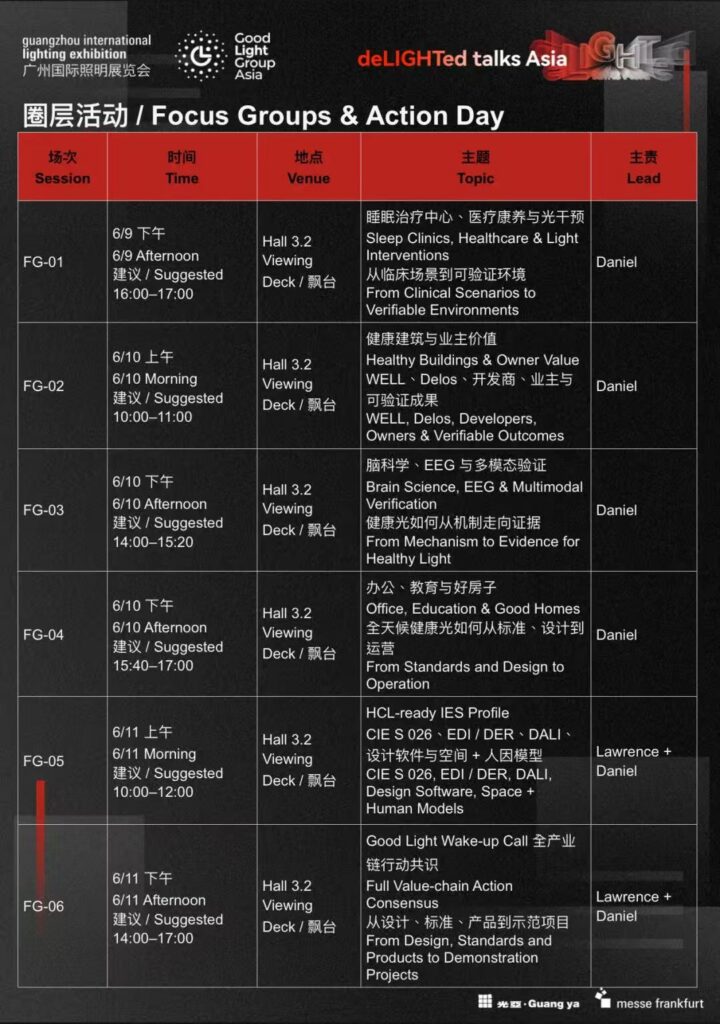
Corresponding Focus Groups & Action Day
This scientific special will primarily align with the following Focus Groups and Action Day:
FG-01 | Sleep Clinics, Healthcare & Light Interventions
June 9, 16:00–17:00
From Clinical Scenarios to Verifiable Environments.
FG-03 | Brain Science, EEG & Multimodal Verification
June 10, 14:45–15:45
From Mechanism to Evidence for Healthy Light.
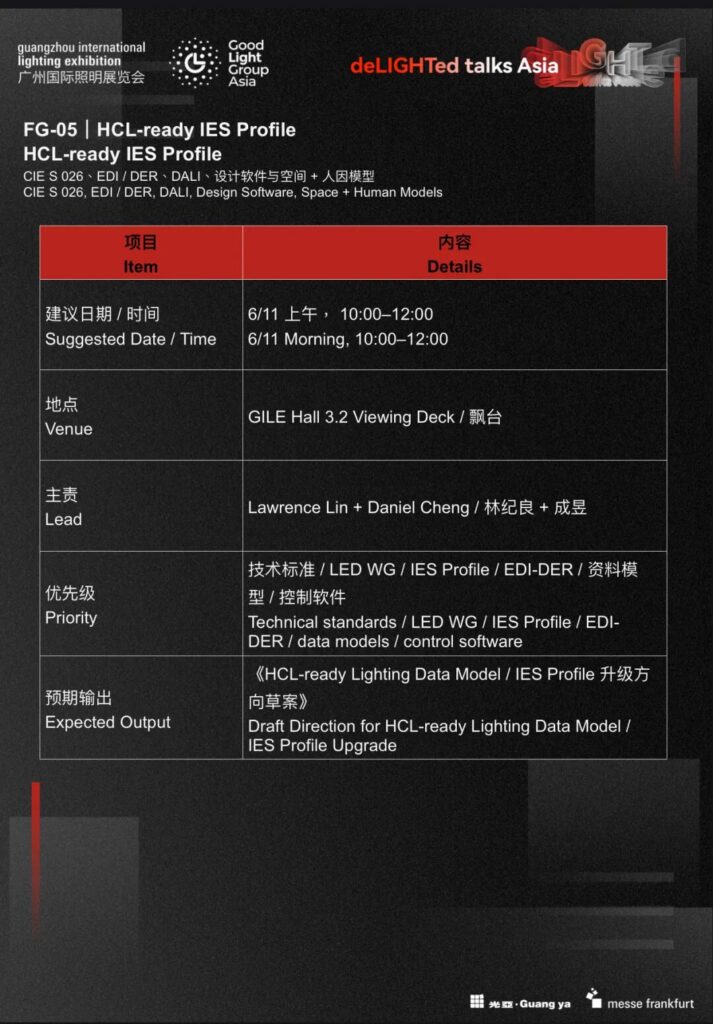
FG-05 | HCL-ready IES Profile
June 11, 10:00–12:00
CIE S 026, EDI / DER, DALI, Design Software, Space + Human Models.
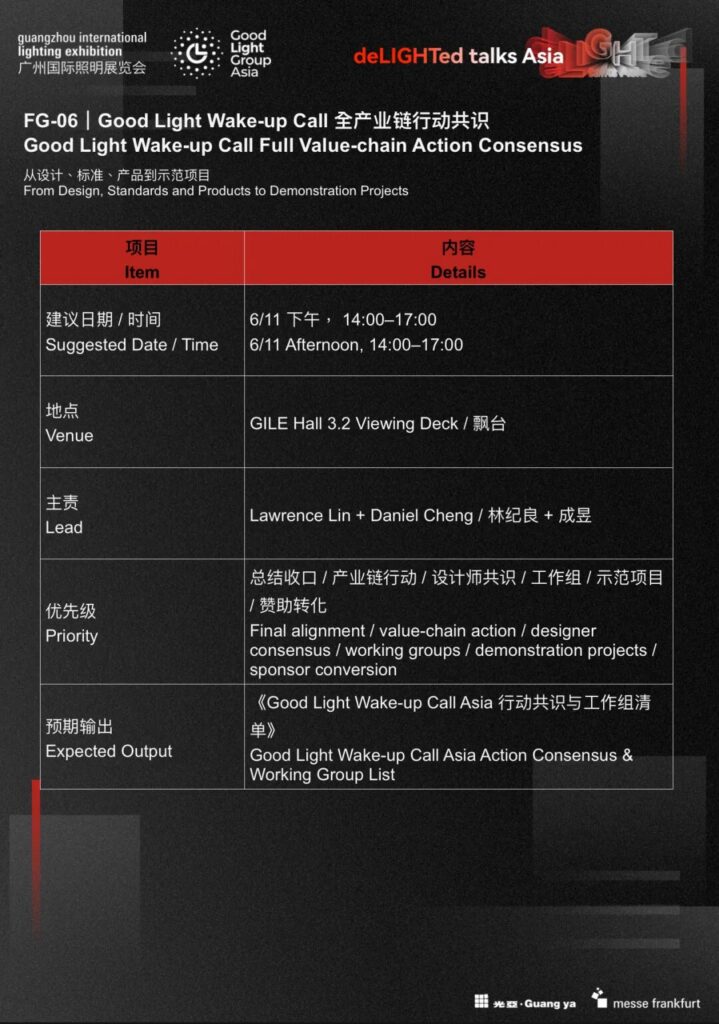
FG-06 | Good Light Wake-up Call Full Value-chain Action Consensus
June 11, 14:00–17:00
From Design, Standards and Products to Demonstration Projects.
Special Acknowledgements
We sincerely thank PAK / 三雄极光, NVC Lighting / 雷士照明, Traxon e:cue / 卓生照明, and Nationstar / 国星光电 for their generous sponsorship and support of deLIGHTed talks Asia @ GILE 2026 / Good Light Wake-up Call.




It is precisely through the involvement of these industry partners that healthy lighting has the opportunity to move beyond science, standards, and concepts, and further into products, systems, real-world applications, and live projects.
Conclusion: For Healthy Lighting to Go Further, It Must First Be Grounded in a Solid Scientific Foundation
Healthy lighting is not without imagination. On the contrary, it requires a greater level of imagination. However, imagination that can go the distance must be grounded in a scientific foundation.
Without science, the industry can only produce slogans. Without evidence, the market will eventually lose trust. Without standards, companies will only speak in isolated voices. Without validation, projects cannot generate real value. Without education, the industry cannot achieve long-term advancement.
June, Guangzhou.
deLIGHTed talks Asia @ GILE 2026 will bring scientists, designers, industry organizations, healthy building experts, LED light source companies, luminaire manufacturers, control systems, measurement tools, and real-world project stakeholders into a unified action framework.
The participation of scientists forms the first cornerstone. Because the future of healthy lighting cannot rely on “feeling good.” It must be something that can be explained, measured, designed, validated, delivered, and ultimately used to improve human life.
Healthy lighting cannot rely on intuition alone. Scientific evidence is the starting point of the industry’s next shared language.

 English
  Chinese (China)
  Chinese (Taiwan)