
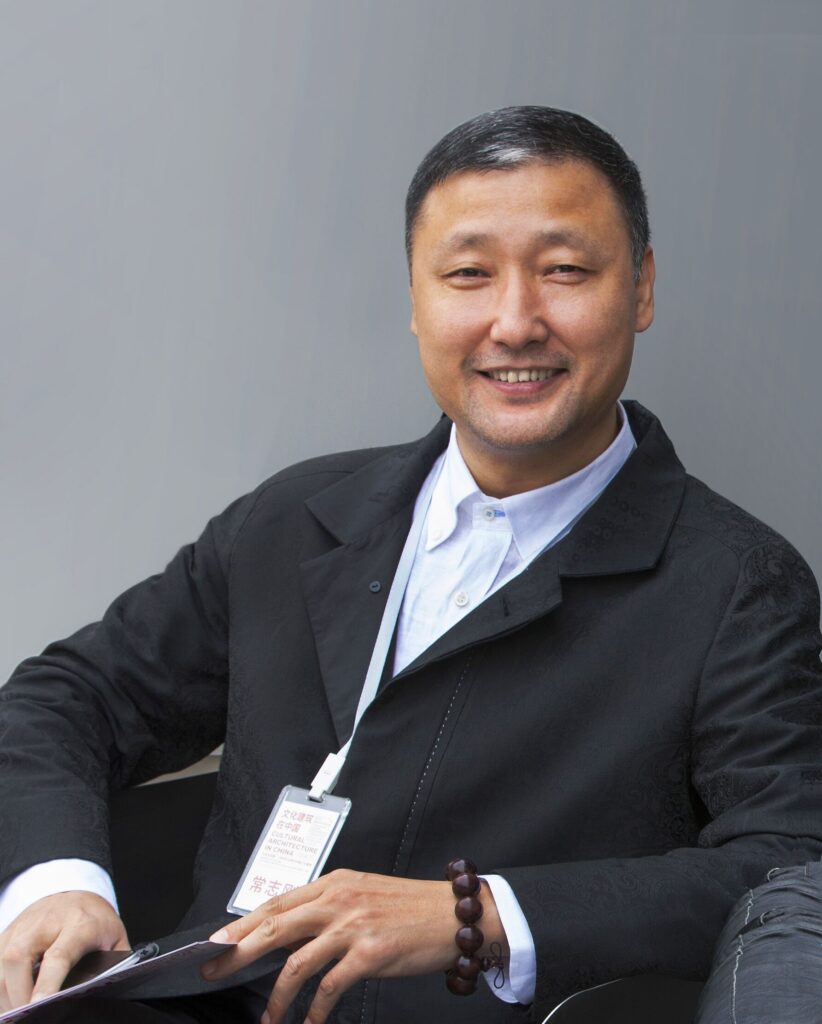
Chang Zhigang
- Deputy Dean, School of Art and Design, Central Academy of Fine Arts; Professor; Doctoral Supervisor
- Vice Chairman, Beijing Illuminating Engineering Society
- Director, Engineering Technology Committee, China Illuminating Engineering Society
- Director, Visual and Color Research Center, Beijing Urban Planning Society
- Chief Expert, Urban Image Committee, Beijing Urban Planning Society
- Member, China Artists Association; Committee Member, Environmental Art Committee
- Vice Chairman, Design Committee, China Building Decoration Association
- Council Member, Beijing Marathon Association
Graduated from the School of Architecture, Tsinghua University in July 2005 with a Ph.D. in Engineering. He has independently led one project each funded by the National Arts Fund and the National Natural Science Foundation of China, and has presided over or participated in numerous research and design projects. He has published multiple academic papers in leading journals such as Architectural Journal, World Architecture, and Architect. He is a recipient of the Young Teachers Award from the Fok Ying Tung Education Foundation.
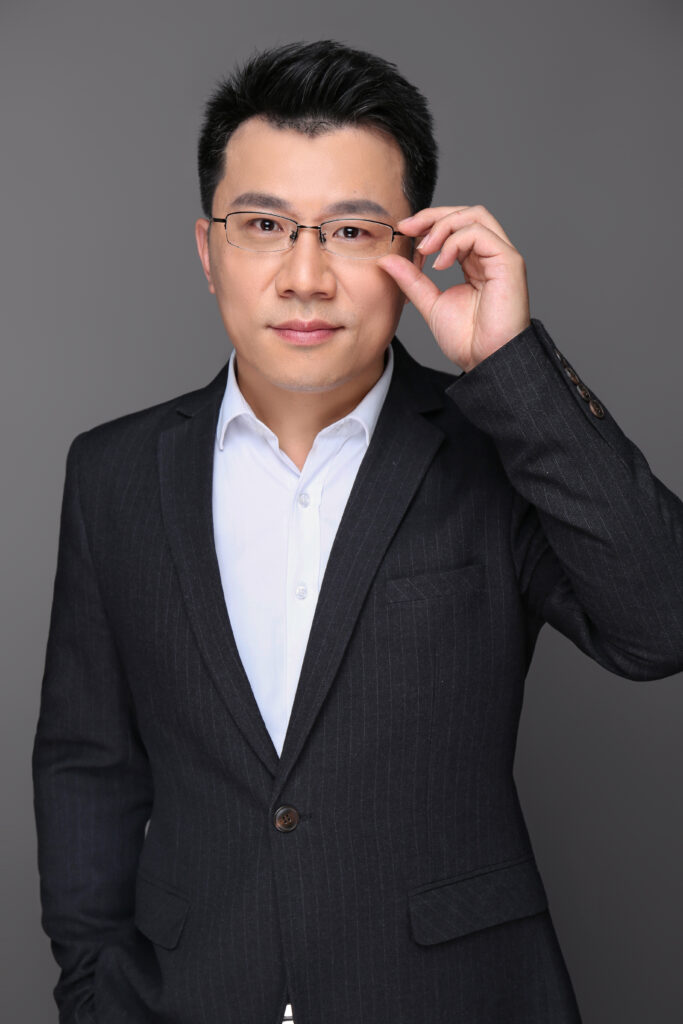
Gu Bing
- Design Director, Beijing Geler Lighting Design Co., Ltd.
- Chairman, Architectural Electrical Branch, China Building Decoration Association
Graduated with a Master’s degree from the School of Architecture, Tsinghua University. He was selected for the 2017 “40 Under 40” global list jointly curated by the Lighting Design Awards and Lighting Magazine (UK). As of 2017, he was the only designer from a China-based lighting design team included in this list.
He has broad experience across the lighting design industry and deep insight into a wide range of project types, including architectural lighting design, interior lighting design, landscape lighting design, sports lighting research and design, lighting festivals and light shows, luminaire design, green lighting research and applications, as well as daylighting and shading design.
His professional and academic contributions include “Experimental Study on Measuring Luminance Distribution Using Digital Cameras,” published in Lighting Engineering Journal in 2003; “Lighting Design for Large Spaces,” published in Architectural Creation in 2011; and “Lighting Design of Nanjing South Railway Station,” published in Architectural Creation in 2012. He has also presented research on the selection of functional LED luminaires in civil buildings at the 2012 Annual Conference of the Architectural Electrical Branch of the Architectural Society of China, and a summary of lighting design for large-scale terminal spaces at its 2016 annual conference. In addition, his work includes studies on skylight shading methods using internal aluminum mesh in insulated glass units and optimization of shading aluminum mesh geometry parameters using Grasshopper.
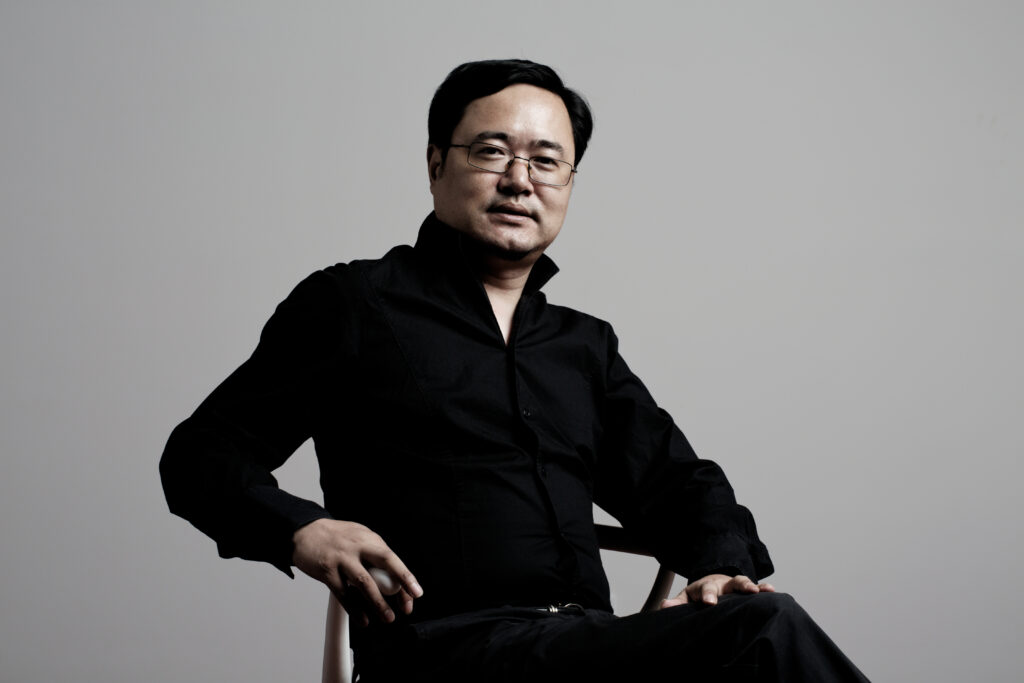
Jiang Miaoyi
- General Manager, Shanghai Gold Mantis Architectural Decoration Design Co., Ltd.
- Chairman, Architectural Electrical Branch, China Building Decoration Association
- A nationally recognized senior interior architect in China; Senior Engineer, China Design Annual Figure; International Registered Senior Interior Designer
- Master’s Degree, Conservatoire National des Arts et Métiers (CNAM), France
- Master’s Degree, School of Arts, Renmin University of China
- EMBA in Design Management, Tongji University
- Adjunct Professor, Nanjing Forestry University
- Named among the Top 10 Emerging Interior Designers (2009–2010)
- Deputy Director, Design Committee, Jiangsu Architectural Decoration Association
- Vice President, East China Branch, International Interior Architecture & Design Association
- Vice President, Design Branch, China Building Decoration Association (CBDA)
- Jury Expert, Innovation China Spatial Design Art Competition
- Jury Expert, China International Space Design Competition (China Architectural Decoration Design Awards)
- Judge & Mentor, Shijianfang & Mango Awards Practical Competition
- Expert Jury Member, “I Go to Milan” China Design Power Youth Ranking Competition (2018)
Jiang Miaoyi has over 20 years of experience in large-scale architectural decoration design and has received numerous prestigious domestic and international awards, including major contributions to art and design and “China Design Annual Figure.” He is known for a pragmatic, data-driven design philosophy. He emphasizes that precise communication is the most effective way to build trust, and that data serves as a critical tool to support such precision. While design may begin as a sensorial and intuitive process, he believes it must ultimately be realized in practice—integrated into society and everyday life—requiring rational deconstruction to achieve effective outcomes. He also stresses that designers must remain forward-looking and prepared for future shifts and uncertainties.

Lin Yandan
Professor at the School of Intelligent Robotics and Advanced Manufacturing Innovation, Fudan University; Principal Investigator at the Key Laboratory of Modern Anthropology (Ministry of Education); dual-appointed Professor in Anthropology and Genetics; doctoral supervisor; Deputy Director of the Light Biobiology and Photochemistry Division of the International Commission on Illumination (CIE); Director of the Shanghai Intelligent Systems Human Factors Engineering Professional Technical Service Platform; and Chair of the Human Factors Engineering and Industrial Innovation Committee of the China Society for Creative Studies.
Her research focuses on multi-dimensional environments—particularly light environments—and the causal and predictive integrated modeling of human multimodal phenotypes, as well as intelligent applications. Targeting key sectors such as national defense, transportation, healthcare, and smart lighting, she integrates heterogeneous cross-scenario data to construct a light environment–multimodal phenotype database, including data cleaning, standardization, and metadata management.
Using statistical modeling, machine learning, and time-series analysis, she quantifies the effects of spectral composition, illuminance, color temperature, and exposure timing on cognition, emotion, sleep architecture, and circadian phase. This work has led to the development of models for light-intervention circadian phase quantification, effective light stimulation thresholds for negative emotions, and models linking display parameters to cognitive performance.
She has revealed the relationship between sleep quality and circadian rhythms under shift-work conditions, as well as the mediating role of fatigue on cognition under light interventions. She has also developed physiological fatigue prediction based on pupil responses and eye tracking, as well as EEG-based alertness prediction, enabling cross-modal biomarker extraction and precise state recognition. These results provide usable models and threshold libraries for perception and state identification in healthy lighting environments.
She has led multiple major national projects, including China’s Large Aircraft Major Special Project, the National “863” Program, the “973” Program, National Key R&D Program projects, and key defense-related initiatives. She also led the formulation of the national standard “Dose of Non-Visual Biological Effects of Light on the Human Eye.”
She has published more than 190 academic papers, holds over 40 authorized patents, and has participated in the development of more than 10 standards. Her honors include the Second Prize of the Shanghai Science and Technology Progress Award (2013, 2017), First Prize of the China Creative Achievement Award (2024), Shanghai Women’s Innovation Rising Star Award, Shanghai March 8th Red Banner Holder, and Outstanding Contribution Award from the International Semiconductor Industry Association. In October 2023, she received the World Federation of Engineering Organizations (WFEO) Outstanding Women in Engineering Award (one recipient globally per year).
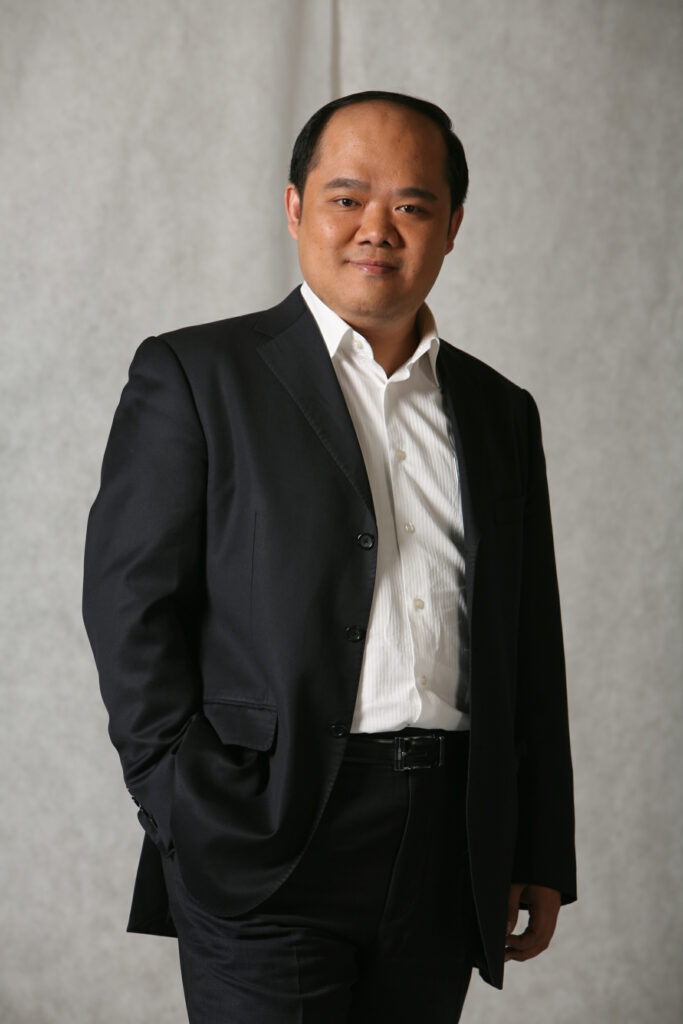
Shi Hengzhao
- General Manager & Design Director, Zhaoyiheng Lighting Design (Beijing) Co., Ltd.
- Bachelor’s Degree in Interior Design, Chung Yuan Christian University (Taiwan)
- Master’s Degree in Architectural Lighting Design, Parsons School of Design (New York, USA)
- Assistant Lecturer, Department of Interior Design, Chung Yuan Christian University
- Visiting Lecturer, Department of Architecture, Ming Chuan University
- Visiting Professor, Department of Lighting Design, Central Academy of Fine Arts
- Visiting Professor, Department of Lighting Design, Sichuan Fine Arts Institute
- Professional Member, International Association of Lighting Designers (IALD)
- Professional Member, Illuminating Engineering Society (IES)
- Chairman, Architectural Electrical Branch, China Building Decoration Association
- Expert Consultant, Lighting Design Committee, Jiangsu Lighting Electrical Appliances Association
- Expert Consultant, Hotel Construction Service Committee, China Building Materials Circulation Association
Shi Hengzhao previously worked at well-known lighting design firms in both China and the United States and has been deeply committed to promoting education in the lighting industry. He has taught lighting design at institutions such as the Central Academy of Fine Arts and Sichuan Fine Arts Institute. He has authored and co-authored a series of standards and publications related to lighting design, including Application Standards for Interior Lighting Design in Architectural Decoration, Application Handbook for Interior Lighting Design in Architectural Decoration, and Professional Competency Standards for Interior Lighting Designers. With over 20 years of experience in the lighting industry, he has designed and contributed to a wide range of projects across the United States, Taiwan, and mainland China. His portfolio spans diverse typologies, including urban planning, high-rise buildings, museums, commercial spaces, hotels, and bridges.
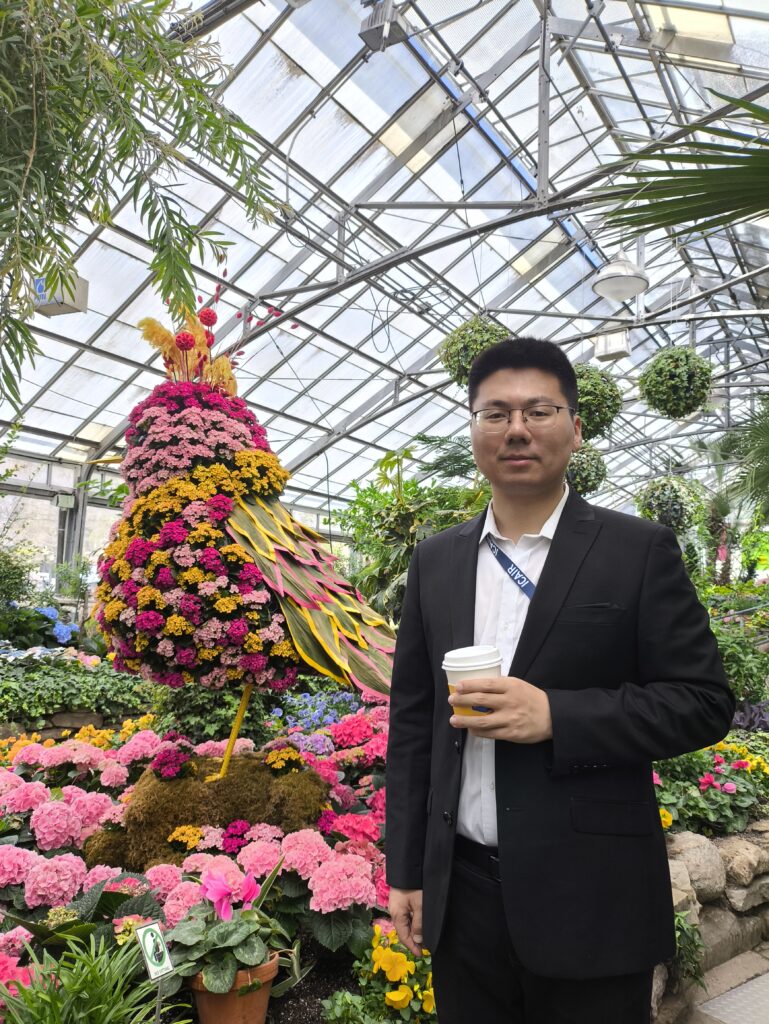
Wang Tongyue
- Assistant Researcher, Yangzhi Rehabilitation Hospital Affiliated to Tongji University
Ph.D. in Architecture from Tongji University; Postdoctoral Fellow in Clinical Medicine; Assistant Researcher at Yangzhi Rehabilitation Hospital Affiliated to Tongji University. He has long been engaged in interdisciplinary research and applications at the intersection of architectural optics, healthy lighting environments for human habitats, healthcare and rehabilitation architecture, and health-oriented lighting design in extreme environments. His work focuses on medical-engineering integration, including multi-sensory stimulation and environmental therapy technologies for rehabilitation settings. He has led four research projects, including the Young Scientists Fund of the National Natural Science Foundation of China, the General Program of the China Postdoctoral Science Foundation, the Shanghai Natural Science Foundation General Project, and the Postdoctoral Innovation Practice Base Project of Yangpu District. He has also participated in multiple major research programs, including three National Key R&D Program projects, three National Natural Science Foundation projects, four “Science and Technology Innovation Action Plan” social development research projects by the Shanghai Municipal Science and Technology Commission, and two interdisciplinary “Medicine + X” projects at Tongji University. He has published more than 30 academic papers, including over 10 indexed in SCI and EI. He serves as a peer reviewer for journals such as Building and Environment, Journal of Building Engineering, Buildings, Sustainability, and Lighting Engineering Journal. He has participated in eight international conferences, including the International Commission on Illumination (CIE) conferences and the Asian Lighting Conference (ALC), delivering four oral presentations. He has filed 12 patents and contributed to six technical standards, including Healthy Lighting Design Standards, Polar Human-Centric Lighting Standards, Healthy Campus Evaluation Standards, Hospital Building Lighting Technical Standards, Indoor Space Healthy Lighting Design Standards, and General Requirements for Virtual Reality Rehabilitation Systems. He has also contributed to several academic books, including Light and Health, Building Energy-Efficient Technologies, Architectural Light Environment Design, Building Physics (Illustrated Edition), and Building Construction. He has participated in more than 20 projects related to human habitat healthy lighting environments and urban nightscape lighting design. His honors include the First Prize of the China Illuminating Engineering Society “Zhongzhao Award” Lighting Engineering Design Award, the Best Paper Award at the Asian Lighting Conference, and the “Young Lighting Scientists” recognition from the Russian Lighting Society.

Wang Xinqiao | Lighting Designer
With over 20 years of experience in lighting design, specializing in urban-scale nightscape planning, development of lighting design guidelines, and implementation across diverse project types. Combines international design training with extensive local practice in China.
Possesses systematic expertise in urban lighting planning, cultural tourism nightscape design, and integrated architectural and landscape lighting. Skilled in creating lighting atmospheres for diverse interior spaces. Among the few professionals in China capable of delivering full-process services from planning and guideline development to design and on-site implementation verification.
I. Areas of Expertise
- Urban Lighting Master Planning & Nightscape System Design
- Lighting Design Guidelines Development & Implementation Review
- Cultural Tourism Nightscape & Lighting Narrative Design
- Integrated Architectural & Landscape Lighting Design
- Bridge & Structural Lighting Design
- Interior Lighting Design for Diverse Space Types
II. Education & Professional Qualifications
- Bachelor of Arts in English, Nankai University
- Master in Lighting Design, Istituto Europeo di Design (IED), Milan
- National Class I Certified Lighting Designer (China)
- Senior Member, AALD
- Consultant, GLGA
Extensive practice under the influence of European lighting design systems, integrating global design perspectives with localized implementation expertise.
III. Selected Project Experience
- Urban Lighting Master Planning & Guidelines
- Cultural Tourism & Nightscape Projects
- Public Buildings & Commercial Complexes
- Five-Star Hotels & Resorts
- International Projects
IV. Research & Methodology
Based on long-term practice, the following research and methodological frameworks have been developed:
- Methodologies for Urban Nightscape System Development
- Frameworks for Lighting Guideline Development & Implementation
- Lighting Narratives & Spatial Expression in Cultural Tourism
- Implementation Strategies & Quality Control in Lighting Projects
- Strategies for Interior Lighting Atmosphere Design
- Human-Centric & Healthy Lighting Research
- Structural Expression & Visual Logic in Bridge Lighting
- Published article “My Perspective on Bridge Lighting Design” in Bridge Vision, co-authored with French lighting designer Emmanuel Clair.
V. Teaching & Industry Engagement
- Lecturer in lighting design courses, School of Continuing Education, Tsinghua University
- Frequent speaker at industry forums and exhibitions
- Actively engaged in promoting lighting design concepts and professional knowledge dissemination
Contact: +86 13302047979 (WeChat same number)

Wei-Jye Lin
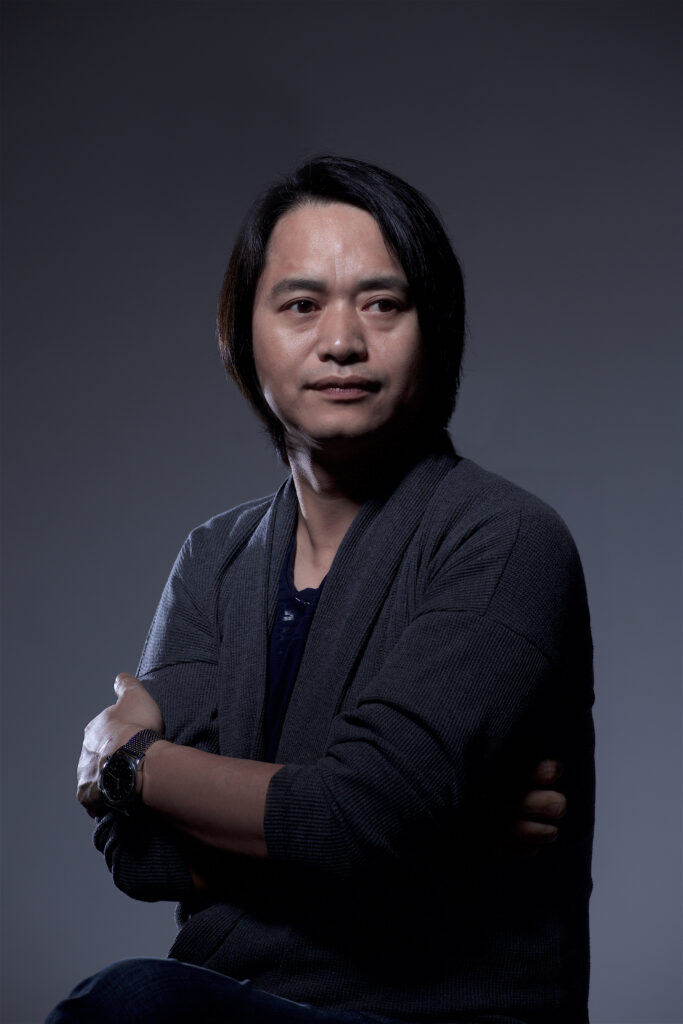
Dr. Wei-Jye Lin is an Associate Research Fellow and Principal Investigator at Sun Yat-sen Memorial Hospital, Sun Yat-sen University. His research focuses on how disruption of brain homeostasis contributes to neurodegenerative and affective disorders, with particular emphasis on brain clearance systems, neurovascular dysfunction, glial metabolism, and neural circuit regulation. In recent years, his work has defined key mechanisms underlying early glymphatic dysfunction in Alzheimer’s disease and further demonstrated that non-pharmacological interventions, including visual-circuit activation, 40 Hz light stimulation, and repetitive transcranial magnetic stimulation, can improve brain clearance, cognitive function, and related behavioral phenotypes. His representative studies have been published in Nature Neuroscience, Nature Communications, and Acta Neuropathologica Communications. Dr. Lin is particularly interested in translating mechanistic neuroscience into measurable and actionable strategies for brain health, especially at the intersection of light environment, neural activity, and human wellbeing.
Yu Xiankai
- Founder & Design Director, Shanghai Hanrun Decoration Design Co., Ltd.
- Chairman, Architectural Electrical Branch, China Building Decoration Association
- Visiting Lecturer, Sichuan Fine Arts Institute
- Distinguished Expert, Department of Art and Design, Guangdong Polytechnic of Industry and Commerce
- Visiting Professor, School of Architecture and Art Design, University of Science and Technology Liaoning
- Visiting Professor, School of Fine Arts, Hengyang Normal University
Widely recognized within the industry as a “pioneer of lighting design in Western China,” Yu Xiankai has over 30 years of in-depth practice and research in both indoor and outdoor lighting design. His work spans a broad geographical and typological range—from vibrant urban centers to scenic natural landscapes, from five-star hotels to hot spring resorts, and from the snowy northern regions to the southern coastal areas. In 2022, he published Hotel Lighting Design, which has been highly regarded and well received by industry professionals.
 English
  Chinese (China)
  Chinese (Taiwan)