
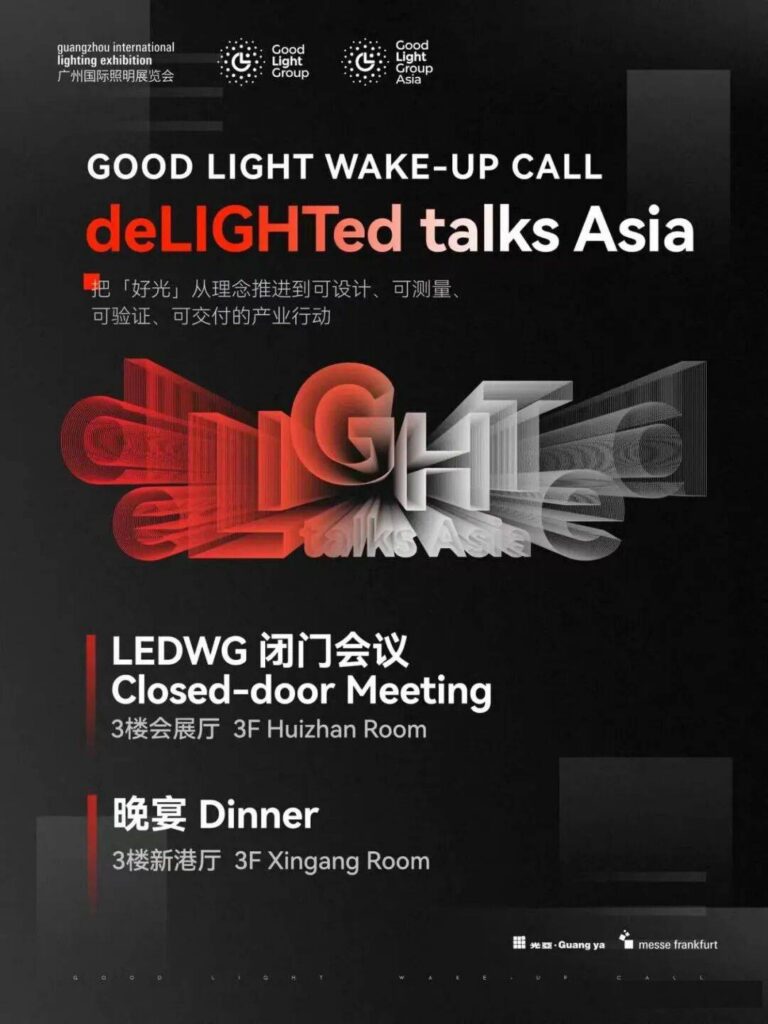
Day 1 | deLIGHTed Talks Asia @ GILE 2026
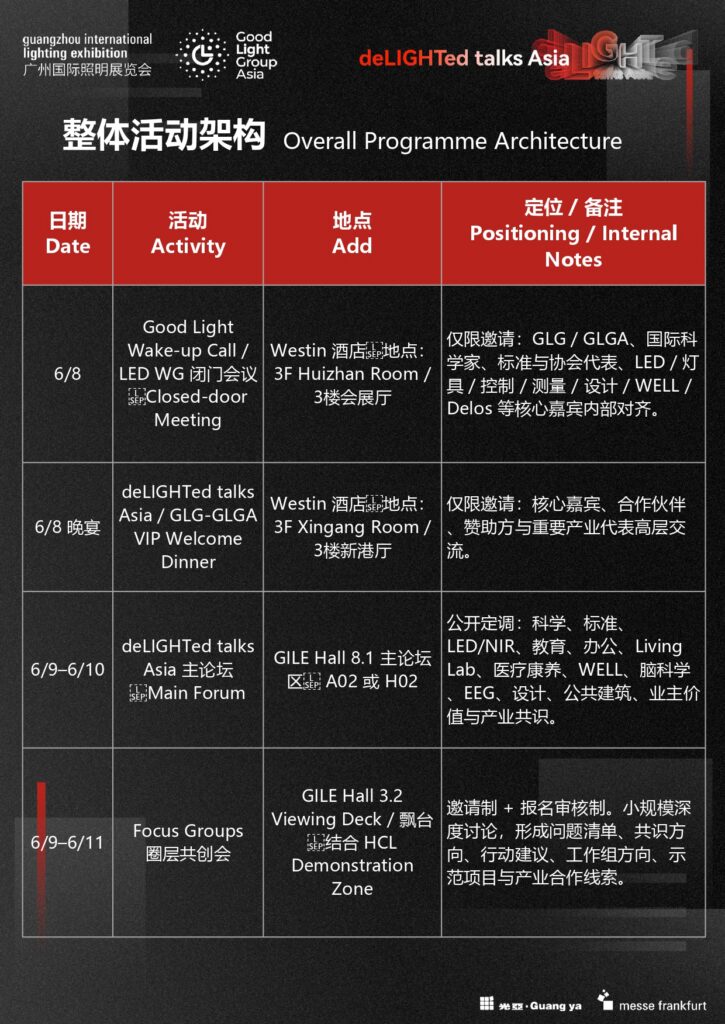
It began with a closed-door dialogue. The Good Light Wake-up Call is taking shape.
By Lawrence Lin
June 8, 2026, Guangzhou. The Westin Guangzhou, Guangzhou Convention and Exhibition Center.
Between the Xingang Hall and the Exhibition Hall, I stayed from 11 a.m. until 10 p.m. — eleven hours in total, shuttling back and forth. One moment testing a presentation, the next arranging seating, then confirming guests’ arrival times, testing microphones, and returning to the venue to check the lighting, projection, interpretation, the flow of the event, and every detail that might otherwise be overlooked.
This was not an ordinary meeting. It felt more like a convergence across time zones, disciplines, and the very language of industries.
A group of people from different countries, different professional backgrounds, and different positions within their industries came together for one purpose: to bring light back to the human being, and to bring lighting back to health. To turn “good light” from an idea into a shared language — one that can be understood, designed, measured, verified, and delivered.
The day began with one in-depth conversation after another
Before the official closed-door meeting started, I first engaged in a series of one-on-one deep-dive discussions with several international and Chinese guests. I spoke with Robert, Marijke, Kevan, Oliver, Kei, and Paul, as well as with Chinese academic and industry representatives including Professor Lin Yandan, Zhu Liyi, and Shi Min.
We talked about science, standards, technology, innovation, light, lighting design, the challenges facing the industry, and the new opportunities about to unfold.
But more importantly, we talked about — what is healthier light?
What kind of light deserves to be called Good Light?
What kind of lighting truly serves people’s lives, circadian rhythms, sleep, emotions, work, and long-term health?
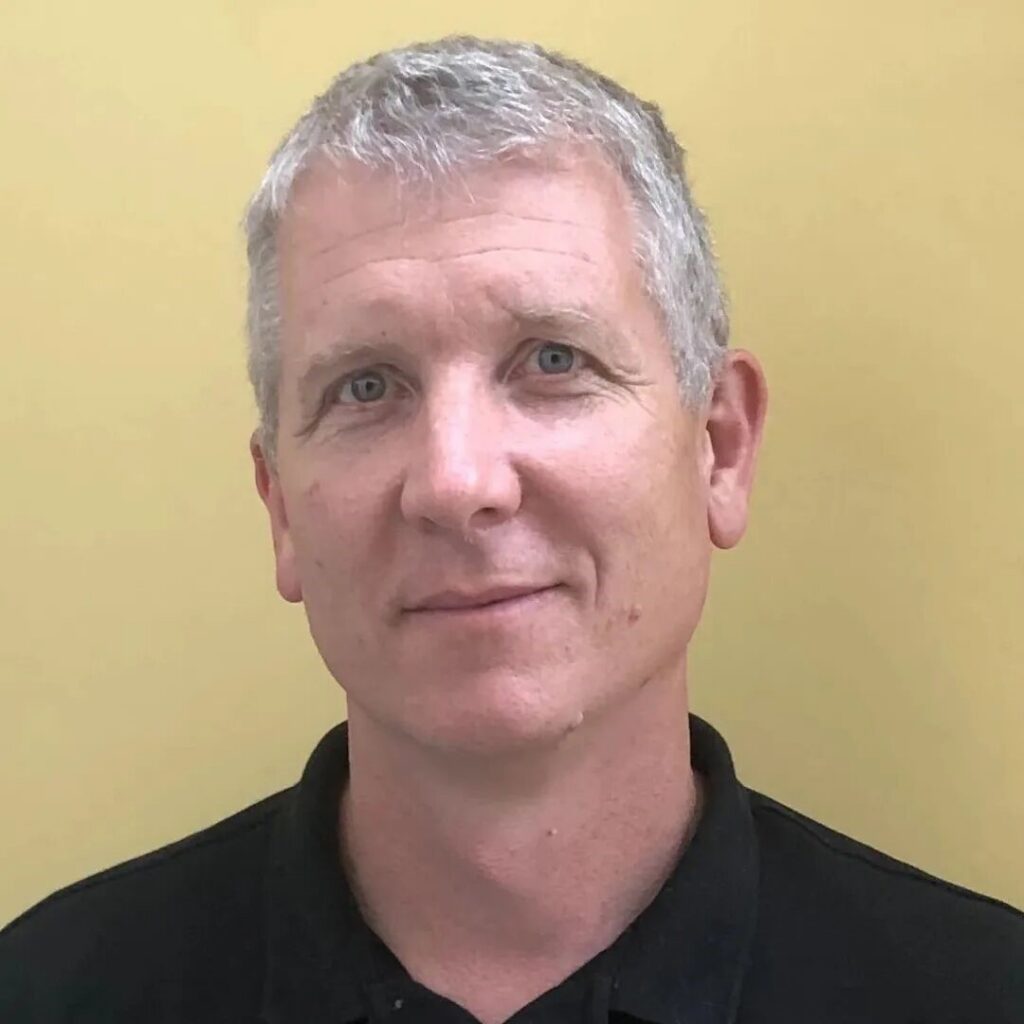
Robert
Starting from the fundamentals of photobiology and visual/non-visual effects, we were reminded that light is not merely for visual illumination — it is an environmental factor closely linked to the human body’s circadian rhythms, neurological functions, and physiological responses.
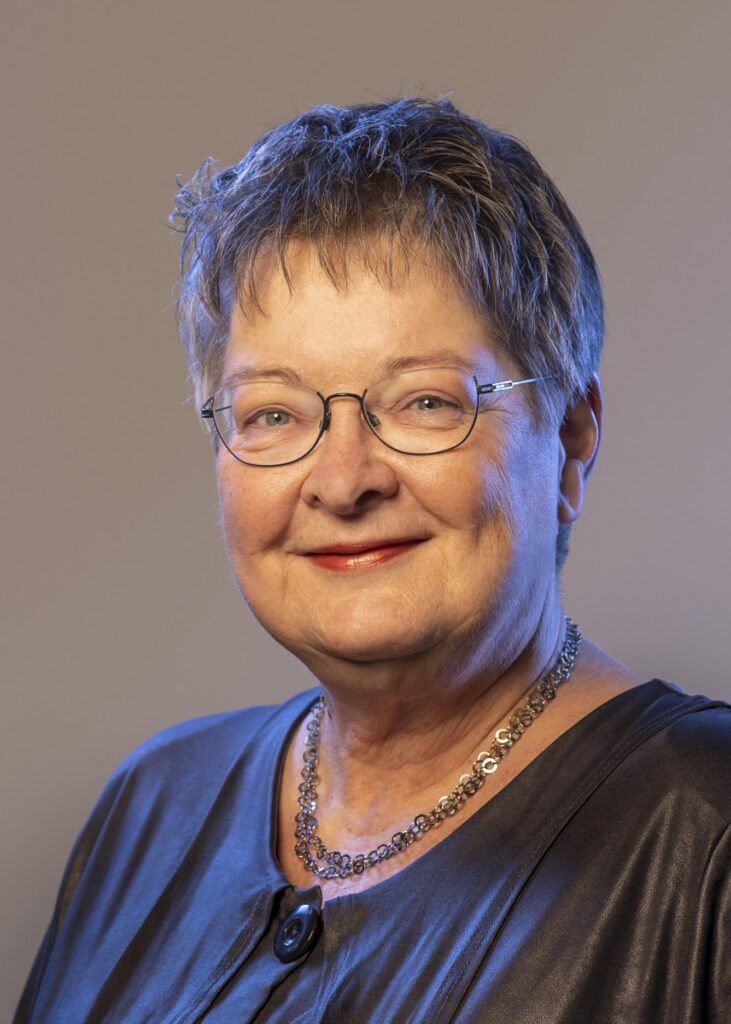
Marijke
Starting from circadian rhythms, sleep, and behavioral health, we were reminded once again that the timing of light is just as important as its intensity and spectrum. The wrong kind of light isn’t just “uncomfortable” — it can also quietly disrupt the body’s physiological rhythms.
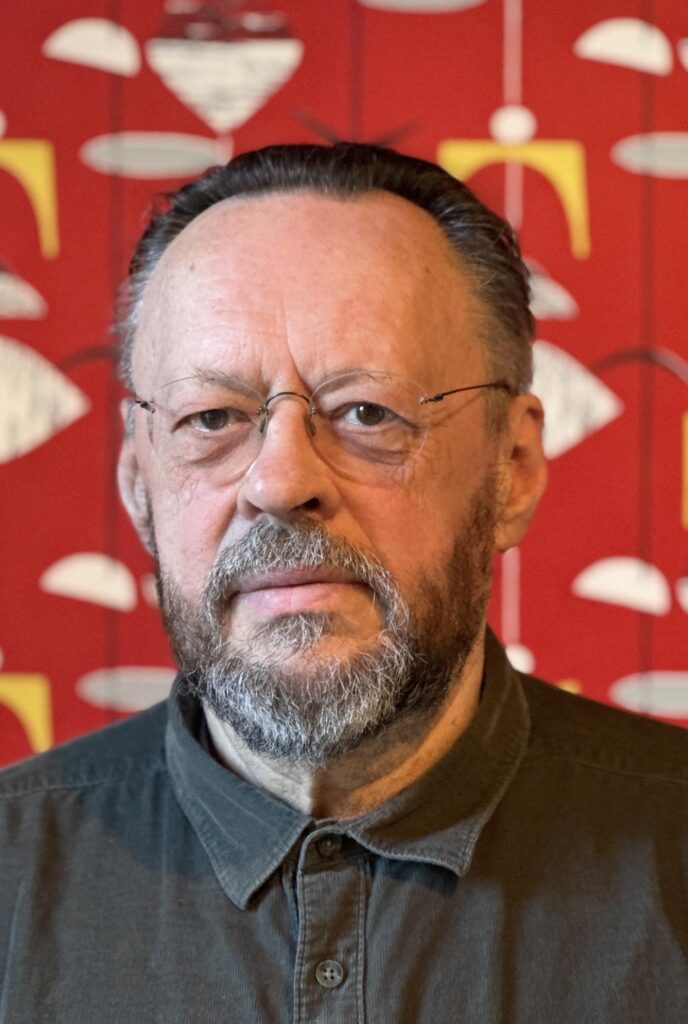
Kevan
Starting from the practice of lighting design, a crucial reminder was raised: healthy lighting cannot remain confined to scientific papers and technical specifications. It must be translated into a spatial language that designers can use, property owners can understand, and users can truly feel.
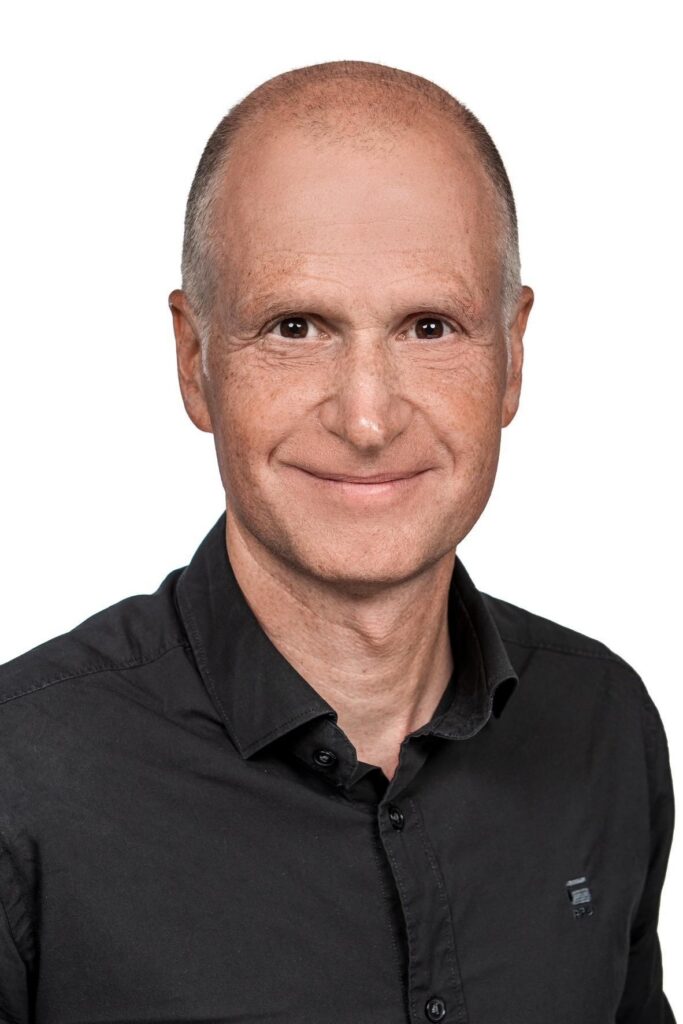
Oliver
A very cautious reminder was offered: when discussing health and lighting, we must clearly distinguish between general illumination, wellbeing-oriented lighting, and preventive health-supportive lighting. Scientific evidence, application boundaries, and the articulation of responsibilities are issues that the industry must address together in the future.
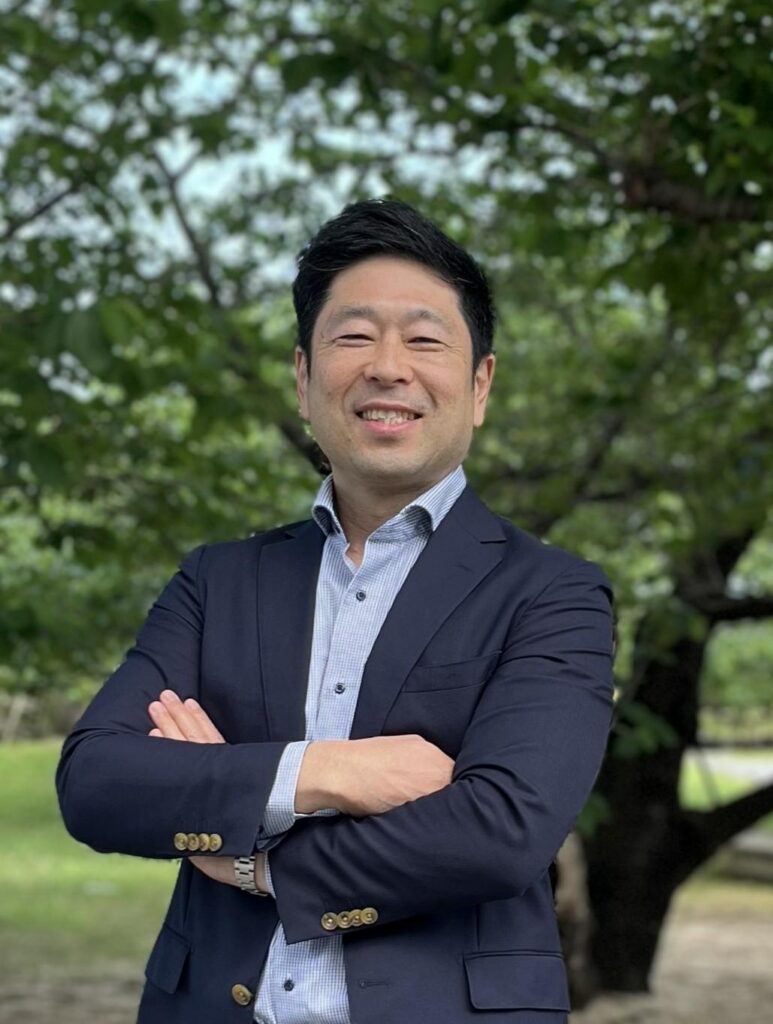
Kei
What he brought was a deep perspective on light source technology. From spectral quality and the evolution of LED technology to the possibility of light sources that are closer to nature and more aligned with human needs — he showed us that at the foundation of good light, truly good light sources remain indispensable.

Paul
Representing the side of controls, protocols, and system integration, he made it clear that when healthy light is no longer just a single luminaire but requires sensing, control, data, and scene-based operation, standardization and interoperability become absolutely critical infrastructure.
At the same time, scholars, industry leaders, and design practitioners from China brought the conversation back to Asia, back to the Chinese market, and back to real-world architectural and usage scenarios.

Professor Lin Yandan
Professor Lin Yandan has long been deeply engaged in research on light and health, providing an essential academic perspective from China’s scientific and educational community. Her work helps to fill critical gaps in the understanding of how light affects human well-being, bridging fundamental research with practical applications in lighting design and public health.
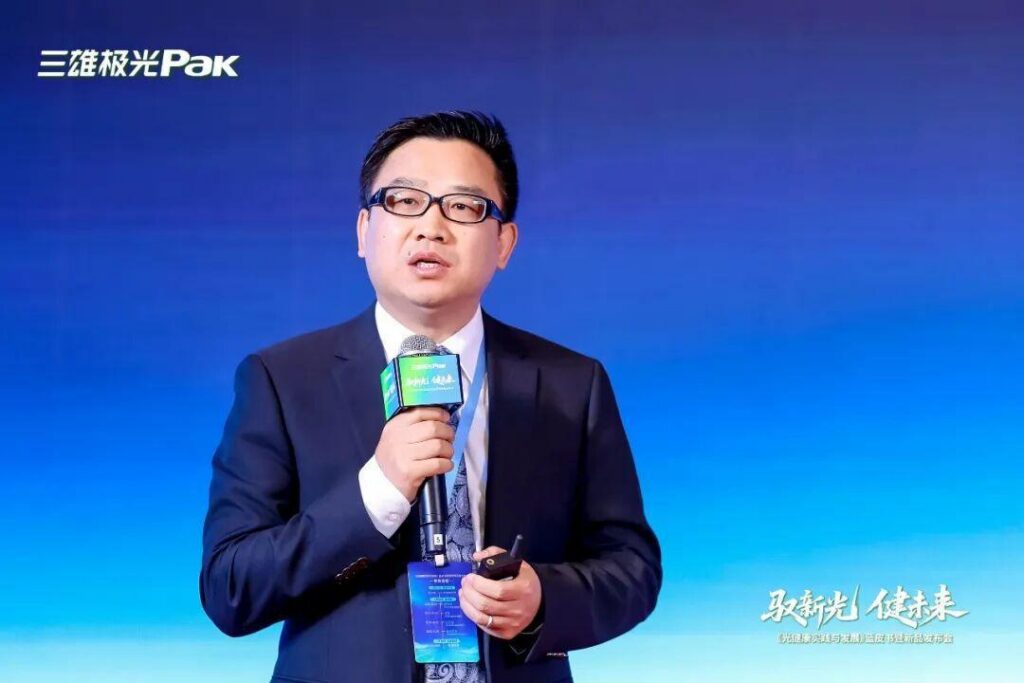
Zhu Liyi
Representing PAK Corporation, he demonstrated the active commitment of Chinese lighting companies to healthy light, systematic application, and industrial upgrading.
Shi Min, from the practical standpoint of a Chinese lighting brand, responded to the real-world challenges the industry faces in the new wave of healthy lighting transformation.
These conversations were more than just interviews. They were like a mental warm-up before the formal meeting. Each dialogue gradually pushed the concept of “good light” closer to the center, from different directions.
For this conversation, they flew thousands — even tens of thousands — of miles
In the afternoon, the closed-door meeting guests began to arrive. Some flew in from Europe, some from the UK, some from Japan, some from Korea, some from different cities across China. Some traveled a few thousand miles, some over ten thousand. Some spent more than ten hours; others endured connecting flights, layovers, and more connecting flights — their journeys taking nearly thirty hours.
They did not come for a lively forum, nor for an ordinary industry gathering. They came for a conversation that is still very difficult, but absolutely necessary. A conversation about the “Good Light Wake-up Call.” A conversation about the future of healthy light in Asia. A conversation about how science, standards, design, industry, and application can reconnect.
Those who could not be there in person also joined remotely — from Beijing, from Seattle, from Japan, from the Netherlands. Online and offline, from afar and on site — all at the same moment, brought together by the single idea of “good light.”
Two and a Half Hours: From iPRGCs to Light Sources, Luminaires, Systems, and Standards
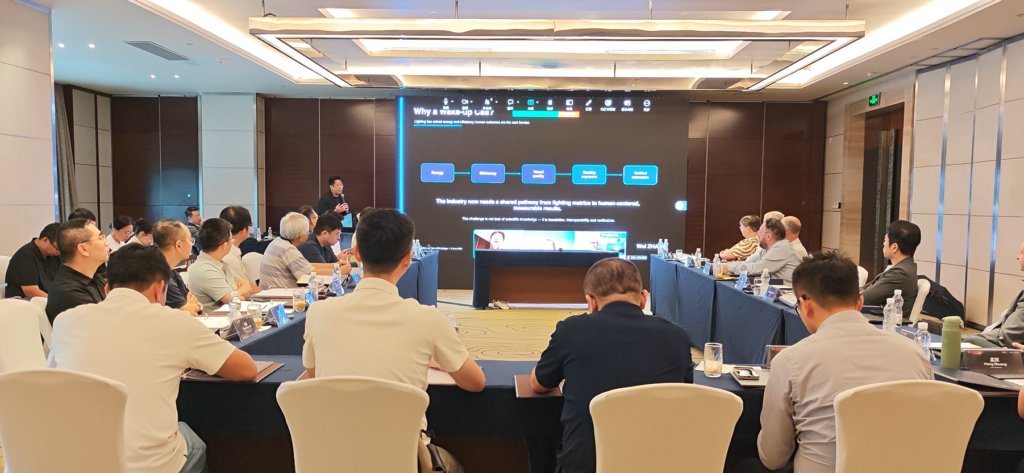
Once the closed-door meeting officially began, the discussion barely had a single dull moment over the course of two and a half hours.
We started with iPRGCs.
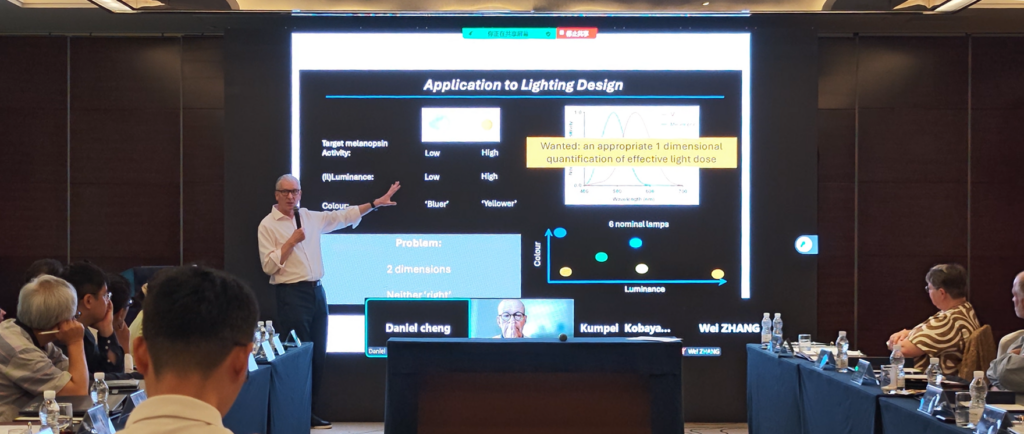
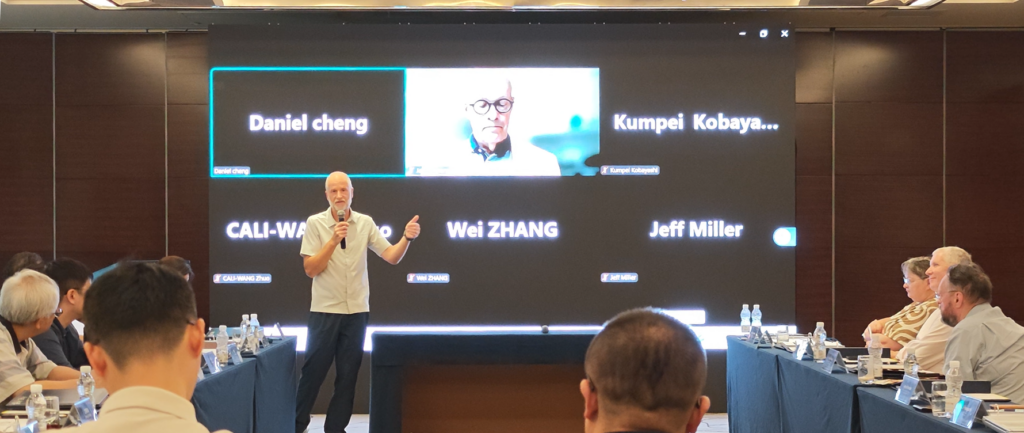
We talked about how light not only enters the eye to form visual images but also, through specific photosensitive cells in the retina, influences human circadian rhythms, physiological states, and non-visual responses.
We discussed CIE S 026, m-EDI, DER, and how equivalent melanopic daylight illuminance can be understood, measured, and applied. But we quickly realized that the future of healthy lighting cannot stop at a single metric.
Because light in a real space is not just about spectrum, not just about illuminance, not just about color temperature, not just about data from a single point. A truly healthy light environment requires understanding all of the following: where the user’s eyes are positioned; what kind of light they are exposed to and at what time; how the light sources are configured; how the luminaires distribute light; how the control system operates; how scenes are switched; how data is fed back; how the design is validated; how the property owner understands the value; and how the end user truly benefits.
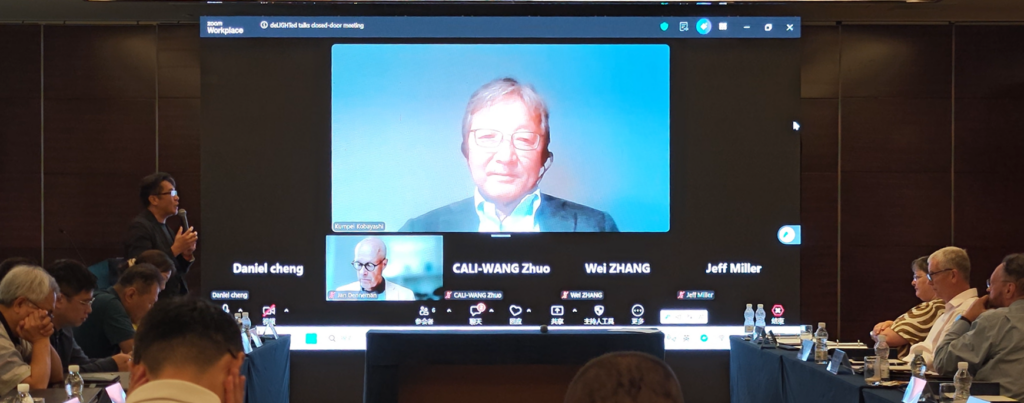
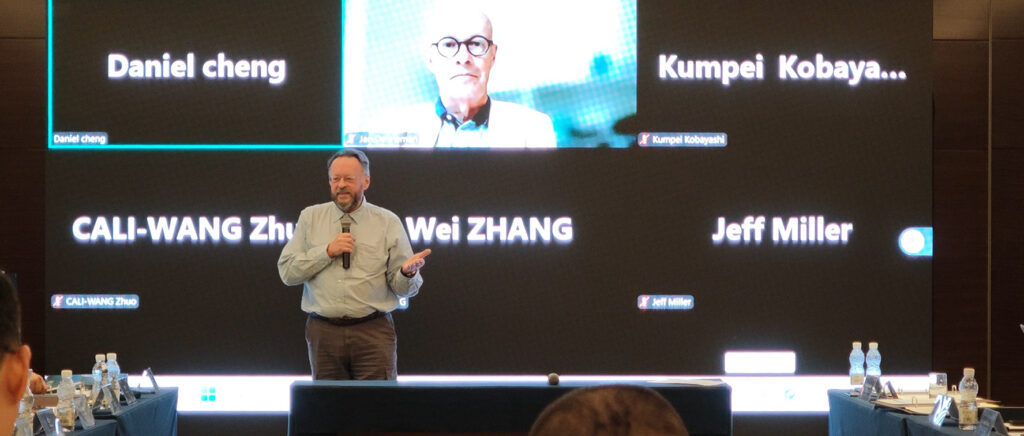
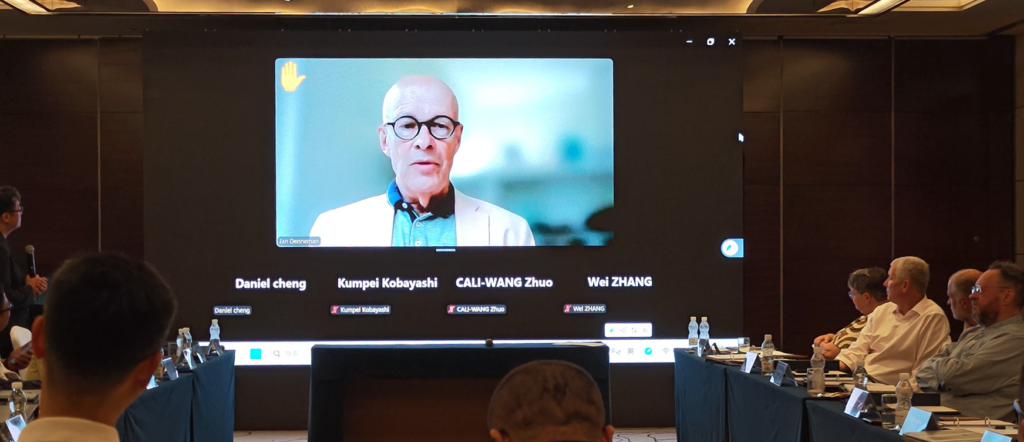
Thus, the discussion extended from iPRGCs to light sources; from light sources to luminaires; from luminaires to control systems; from control systems to spatial models; from spatial models to human-centric models; and from human-centric models back to standards, design, verification, and industry collaboration.
This is precisely the core that deLIGHTed Talks Asia aims to advance:
Science → Standards → Solutions → Design → Verification → Owner Value
Starting from science, translated through standards, formed into usable solutions, realized through design, measured and verified on site, and finally — making value visible to owners, users, and the industry alike.
Consensus, Taking Shape in the Eyes of Many
The most valuable part of this closed-door meeting was not any single person’s statement. It was that everyone began to see the same direction on the same map.
Several key consensuses gradually took shape:
First, healthy lighting should not be just conceptual marketing — it must be built on science, standards, and verifiable data.
Second, Good Light cannot be delivered by a single product. It requires light sources, luminaires, controls, sensing, design, operation, maintenance, measurement, and verification to work together.
Third, future healthy lighting standards must shift from a “device-centric” approach to a “space-centric” and “human-centric” approach.
Fourth, Asia is not a market that passively waits for international standards to land; it should become an important arena for healthy lighting application, validation, and industry innovation.
Fifth, there needs to be a new common language among designers, scientists, standards organizations, brands, and property owners.
And perhaps that common language can begin with a simple but powerful word: Good Light.
Not brighter light, not more expensive light, not flashier light — but light that is more suitable for people, light that respects time, light that understands physiology, light that supports health, well-being, and quality of life.
At that moment, I felt it: the awakening of good light was no longer just a slogan. It was gradually taking shape — in the eyes of all those present.
Dinner: Good Light, Between Glasses, Became a Shared Language
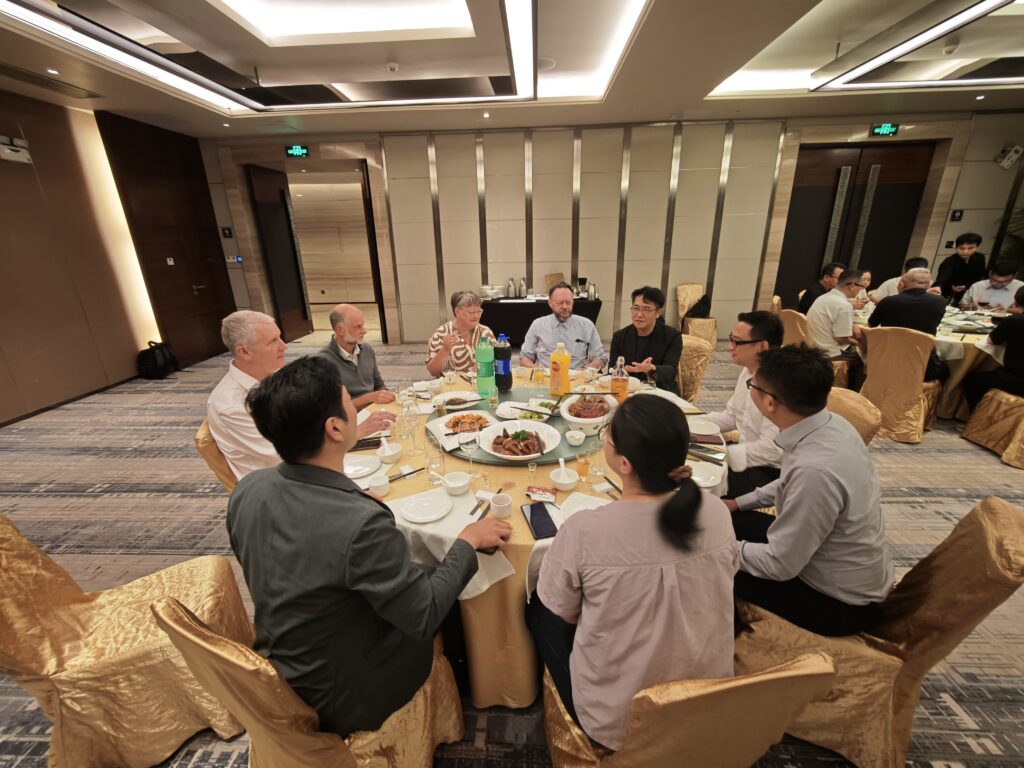
After the closed-door meeting, the dinner unfolded at the Xingang Hall. That evening, while savoring the loquat wine specially sponsored by PAK Corporation, we continued the conversations left unfinished from the afternoon.
Amid the clinking of glasses, more industry friends arrived. Scientists sat together with designers. Entrepreneurs sat with standards experts. Representatives from light sources, luminaires, controls, architecture, health, research, and media sat together.
The topics that had felt somewhat serious during the day grew more animated and more real as night fell. Some talked about technical roadmaps, others about industry opportunities. Some discussed collaborative standard-setting, others the Asian market. Some spoke about how Chinese companies can establish a new international role in the era of healthy lighting, while others explored whether we should work together in the future — on research, demonstration projects, white papers, standards, alliances, and platforms.
With wine, bold words flowed freely. But I knew it was more than just the warmth of drink. It was the feeling of many people who, after walking a long road in the lighting industry, had finally sensed once again: this industry still has a direction worth striving for.
Light is more than a commodity. Lighting is more than engineering. And healthy light is more than just the next marketing slogan. It could be an opportunity for the lighting industry to rediscover its meaning.
Good light was there at the table — in every toast, every deep conversation, every nod, every knowing glance, and in every person who had traveled so far to be there. In those moments, it became our shared language, more firmly than ever.
Day 1 Is Just the Beginning
On June 8, 2026, the first day of deLIGHTed Talks Asia @ GILE 2026 began with a closed-door meeting.
There was no applause from a grand stage, no overproduced launches, no noisy performances. But there were real conversations — with scientific rigor, the warmth of design, the realities of industry, the weight of standards, the trust of friends who traveled from afar, and the shared anticipation of “good light” among a group of people.
I stayed from 11 a.m. until 10 p.m. — eleven hours. I was exhausted, but my heart was bright. Because I knew that on this day, we had done more than just host an event.
In Guangzhou, we brought together, for the first time in a more complete way, something that had long been scattered across papers, standards, products, design, and markets — and sat it all at the same table. We placed light back on people. We put lighting back into the context of health. And we placed Asia’s lighting industry back into the coordinates of the global Good Light movement.
This was Day 1 — and the beginning of a much longer journey.
The Good Light Wake-up Call is happening.
June 8, 2026
The Westin Guangzhou, Guangzhou Convention and Exhibition Center
deLIGHTed Talks Asia @ GILE 2026
Good Light Wake-up Call
Good Light for Asia
Good Light for People
Afterword | From Closed-Door Consensus to the Public Stage
Day 1’s closed-door meeting and dinner turned “Good Light Wake-up Call” from an initiative into a shared language among the guests present. But this was only the beginning.
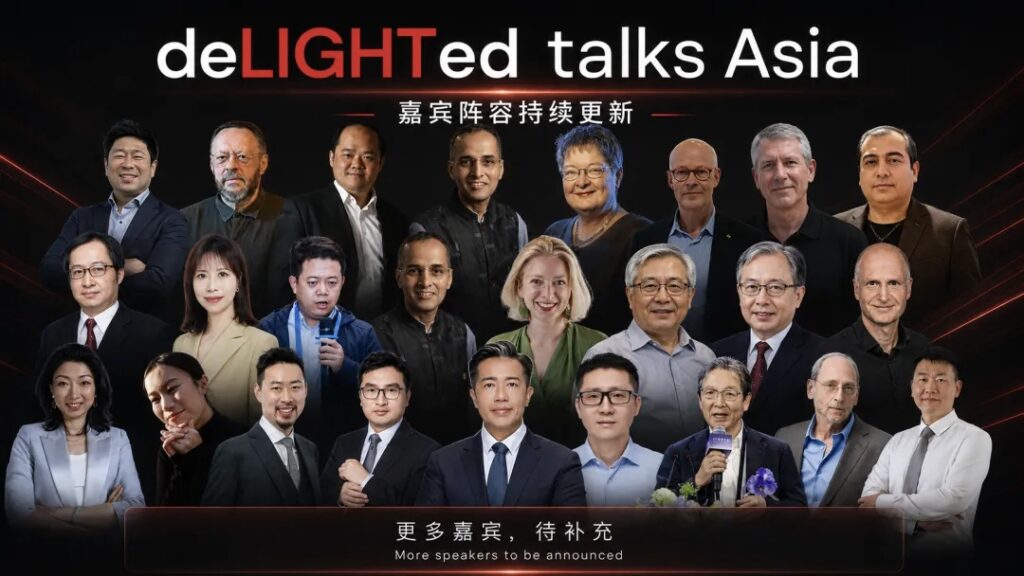
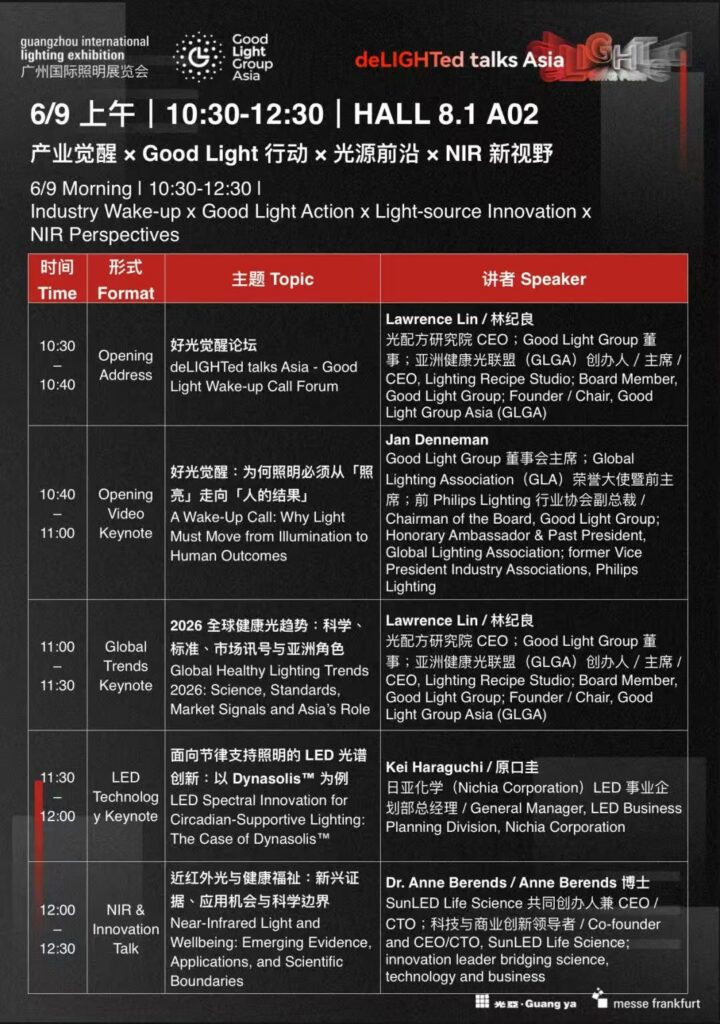
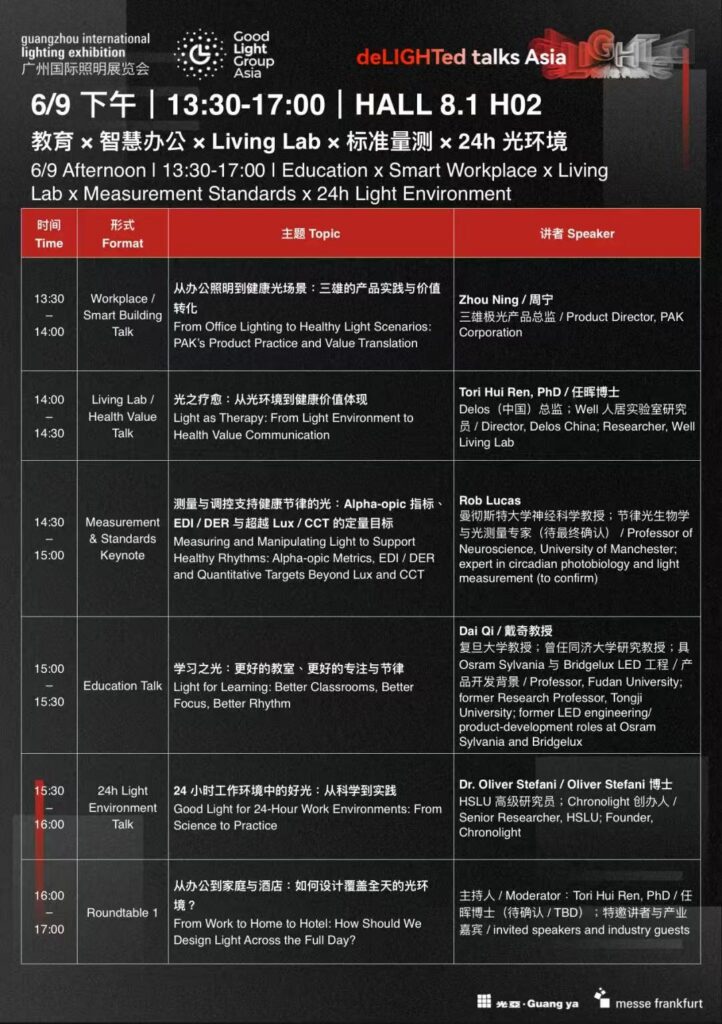
On June 9, deLIGHTed Talks Asia @ GILE 2026 will enter Day 2. We will move from the closed-door conversations at the Westin Guangzhou to the main forum stage of the Guangzhou International Lighting Exhibition.
More international experts, Chinese scholars, designers, standards organizations, industry representatives, and media friends will gather to engage in more open and in-depth discussions on healthy light, circadian rhythms, lighting design, light source technology, control systems, WELL health building standards, near-infrared light, and future applications.
If Day 1 was about forming consensus, then Day 2 will be the beginning of that consensus moving into the industry arena. The Good Light Wake-up Call is happening. And the larger conversation has only just begun.

 English
  Chinese (China)
  Chinese (Taiwan)