Day 2 deLIGHTed Talks Asia @ GILE 2026 | Amid Industry Contraction, Lighting Begins to Answer “Who Does Light Exist For?”

Day 2 deLIGHTed Talks Asia @ GILE 2026 | Fewer booths, fewer exhibitors—but good light is waking up.

By Lawrence Lin

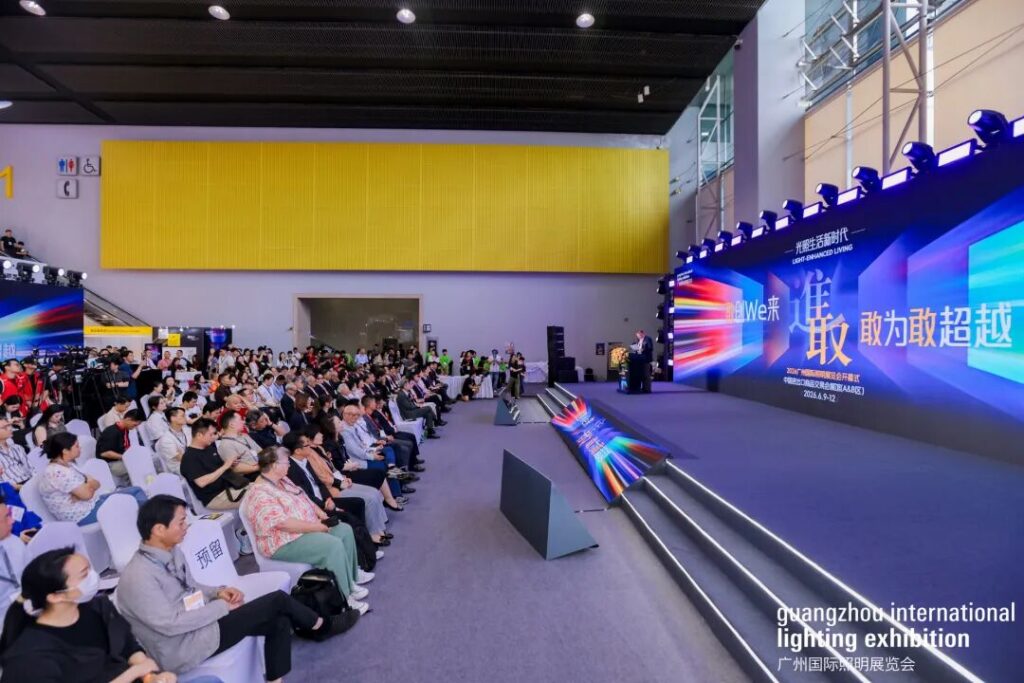
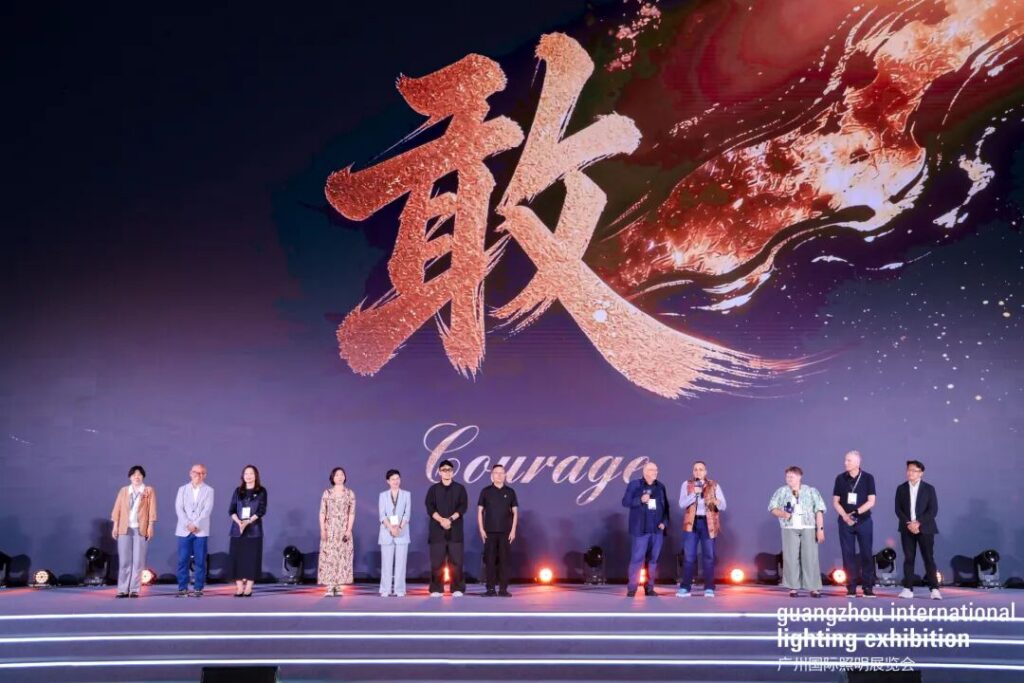
June 9, 2026 – Guangzhou. The 31st 廣州國際照明展 GILE officially kicked off under the theme “Courage.” An AI host appeared in the opening video, echoing the ongoing wave of our times. Inside the exhibition halls, lighting professionals from different countries, different industries, and different generations gathered together from around the world.

I attended the opening ceremony alongside 成昱, Secretary-General of GLGA, and several international guest representatives from deLIGHTed Talks Asia 2026, witnessing together as GILE embarks on its next thirty years.

To be honest, this year’s exhibition saw about a 10% decrease in both booths and exhibitors compared to last year. But precisely because of that, I actually feel that this may be the most important exhibition I’ve attended in my many years of participating in GILE. Because this time, what I saw was not mere spectacle—not just the crowds, the booths, the luminaires, the screens, the buzz, or the deals—but an industry beginning to truly think about its next move under pressure.

The lighting industry can no longer just be about brighter, cheaper, smarter, or easier to sell. Lighting must begin to answer a deeper question: Who does light exist for?


“Courage” is not a slogan—it is the courage of an industry to turn around.

This year’s GILE theme is “Courage.” If this word was just hanging on the main visuals, it could easily become an empty slogan. But when it appears at this year’s exhibition, it carries an added layer of reality.

Because the entire lighting industry knows that today’s market is not easy. Fewer booths, fewer exhibitors, growth no longer taken for granted, price competition still fierce, and exports full of uncertainties. At the same time, AI, intelligence, low carbon, health, human-centric design, well-being, cultural tourism, agriculture, cities, and elderly care are pushing lighting into increasingly complex frontiers. To still dare to talk about the future at a time like this—that is true courage.

It takes courage to admit that the old models are loosening.

Courage to admit that the single-minded logic of selling lamps is no longer sufficient.

Courage to admit that lighting must evolve from products to systems.

Courage to admit that light does not just illuminate physical spaces—it can also affect people’s sleep, circadian rhythms, emotions, health, and quality of life.

So this year’s “Courage” is not grand rhetoric. It is a clear-eyed recognition of the need for transformation.


From the GILE Opening to the deLIGHTed Talks Asia Main Forum

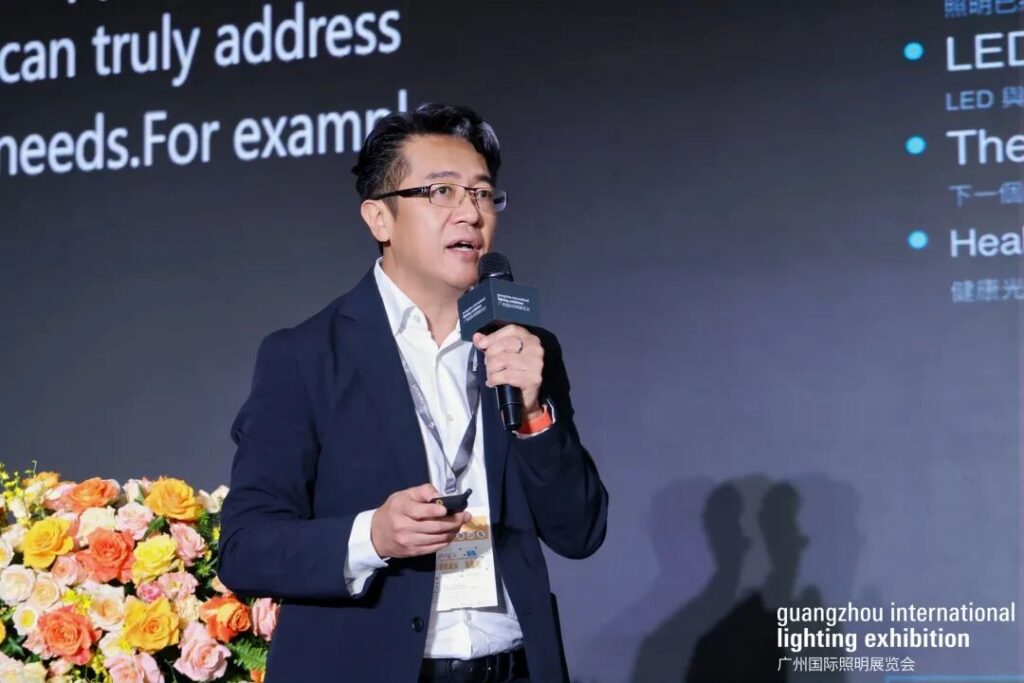
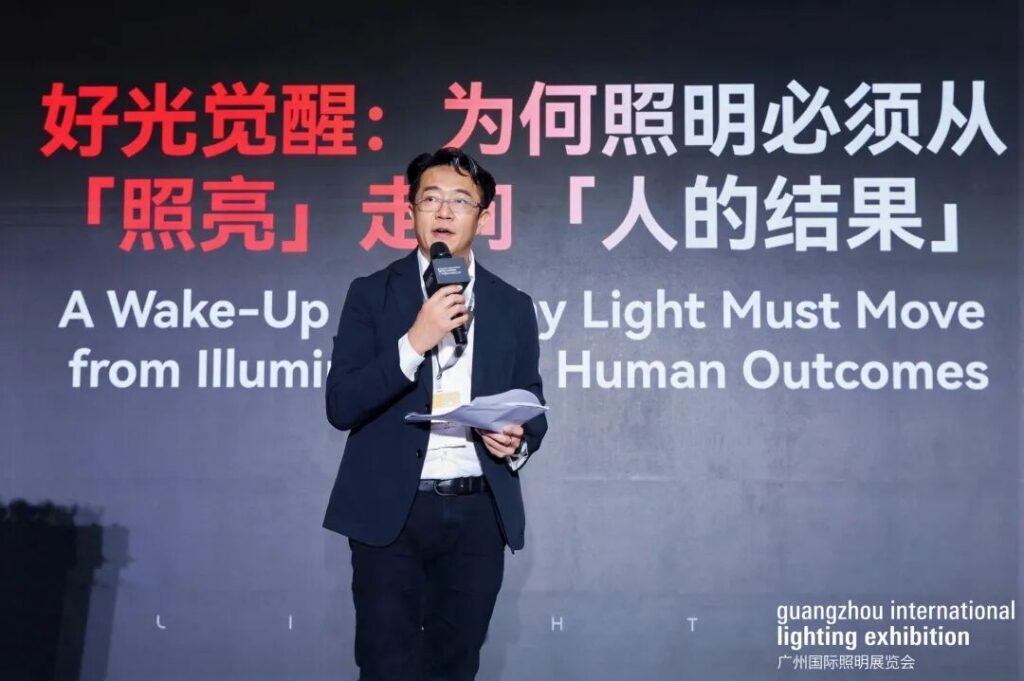
After the opening ceremony and keynote reports, our deLIGHTed Talks Asia immediately followed with its main forum session. I had the rare opportunity to serve as host and, even rarer, to speak freely.

Standing on stage, I looked at the audience and at the words on the large screen behind me: “Good Light Wake-up Call: Why Lighting Must Move from Illumination to Human Outcomes.” This is not just a forum title—it is a statement I have been reflecting on for years regarding healthy light, circadian light, human-centric lighting, measurement, validation, and industrial transformation.

In the past, the lighting industry was too accustomed to defining value through metrics like illuminance, color temperature, color rendering, efficiency, lifespan, and price. But today, these are no longer enough. Truly good light must begin to answer new questions: In such light, are people more alert? More settled? Do they fall asleep more easily? Is glare, flicker, and discomfort reduced? Does the light support daytime focus and nighttime rest? Can it be designed, measured, validated, and delivered?

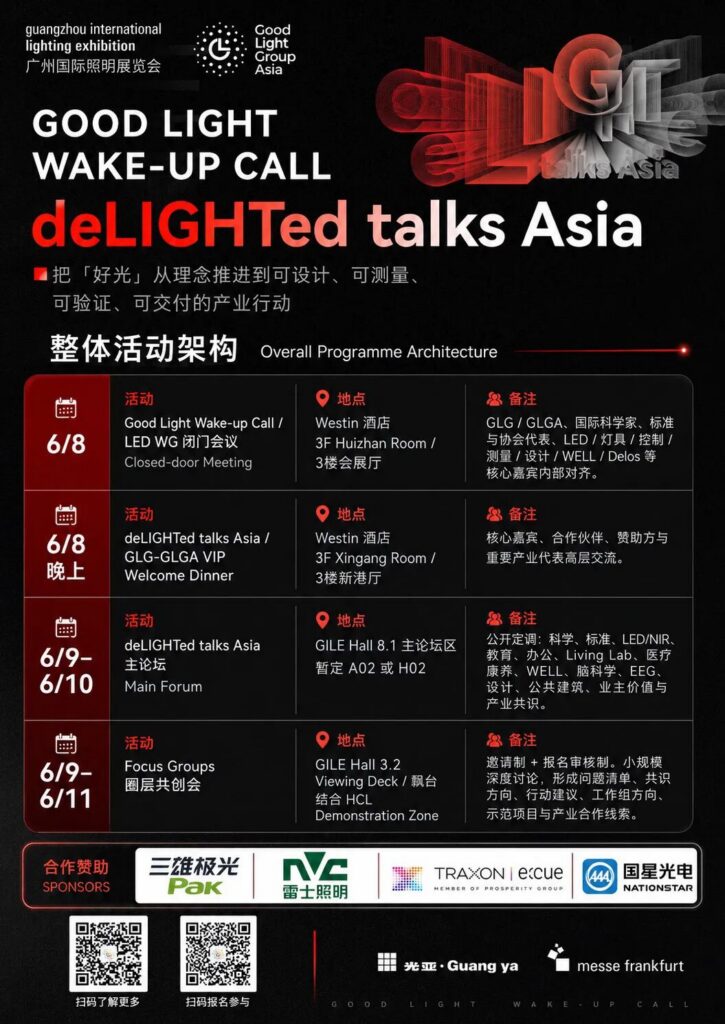
This is the Good Light Wake-up Call|好光覺醒行動.


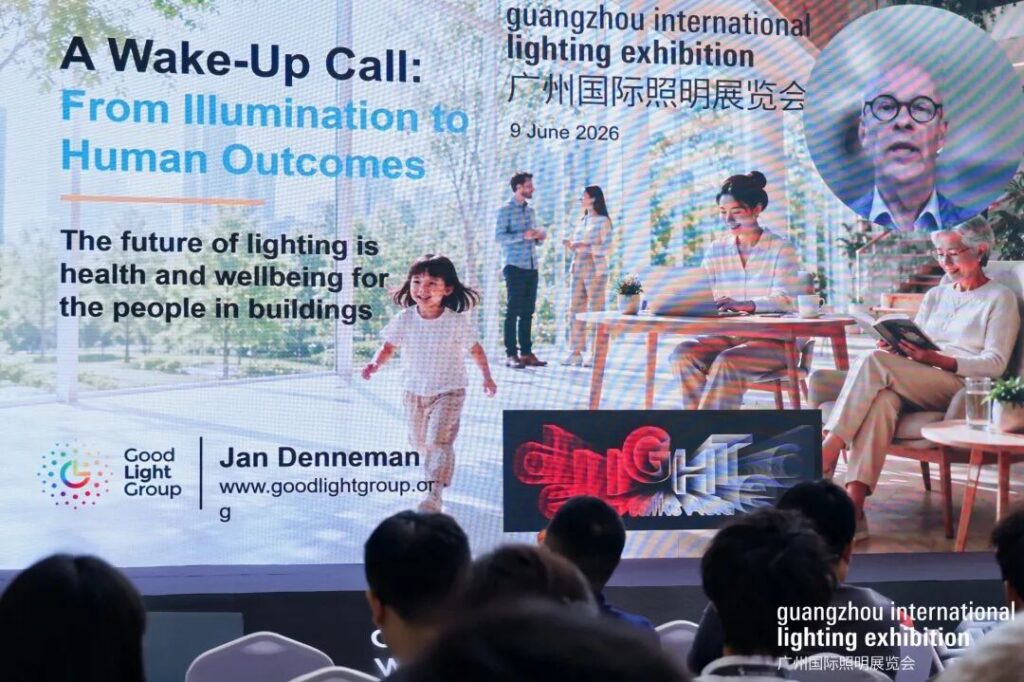
Jan Denneman: From Illumination to Human Outcomes

Following the opening address, we screened a recorded presentation by Jan Denneman, Chairman of the Good Light Group. Jan reminded everyone in very clear terms: light should not be understood merely as illumination—light is also a biological signal that affects people. It is related to sleep, to circadian rhythms, and to alertness, mood, performance, health, and quality of life.

These words carry particular weight coming from Jan. He has long championed the global lighting industry’s understanding of Human Centric Lighting, healthy light, and Good Light, and has also driven consensus-building within international lighting industry organizations. Today, his voice appeared in Guangzhou via video, as if connecting a thread from healthy light initiatives in Europe and the United States directly to the Asian stage.

And as I stood on stage, I knew very clearly in my heart: Asia should not merely be a recipient of the healthy light concept. Asia should become a major contributor to the next phase of healthy light action. Because this region is home to the world’s most complete lighting industry chain—light sources, packaging, drivers, luminaires, controls, design, engineering, smart platforms, and application scenarios.

If Asia is willing to move from “manufacturing” to “validation,” and from “products” to “human outcomes,” then and only then will healthy light truly have the chance to achieve large-scale real-world implementation.


My Sharing: Good Light Cannot Remain a Slogan

Next, I shared the significance of the Good Light Wake-up Call|好光覺醒行動 initiative and the 2026 global healthy lighting trends. The core message I wanted to convey was simple: healthy light cannot be just about color temperature adjustments, cannot be just about smart controls, cannot be just about marketing words like “eye protection,” “comfort,” or “wellness,” and cannot be just about pasting a few research papers into product brochures.

True healthy light must establish a complete closed loop: starting from scientific mechanisms, moving into standards and metrics, translating into light sources, luminaires, controls, systems, and design, then through on-site measurement, user feedback, and verifiable outcomes—ultimately forming a spatial value that is deliverable, operable, and continuously optimizable.

This is what I have repeatedly emphasized: without measurement, there is no healthy light. Without validation, there is no trustworthy healthy light. Without human outcomes, it is just another marketing story.


From Visible Light to Invisible Light: The New Frontier of Photobiological Effects

During the morning main forum, Nichia Corporation and SunLED provided a very important complementary perspective.

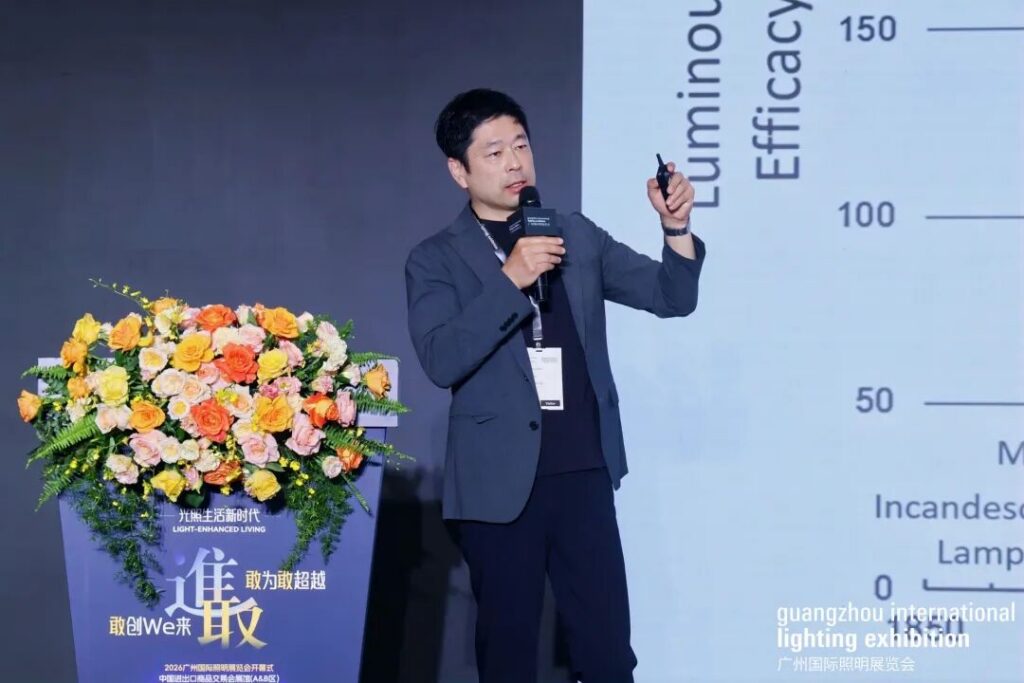
Starting from LED spectral innovation, Nichia Corporation showed us that light source technology is no longer just a competition of efficiency, color rendering, and cost. When the spectrum begins to be optimized for circadian support, LEDs enter a new era.

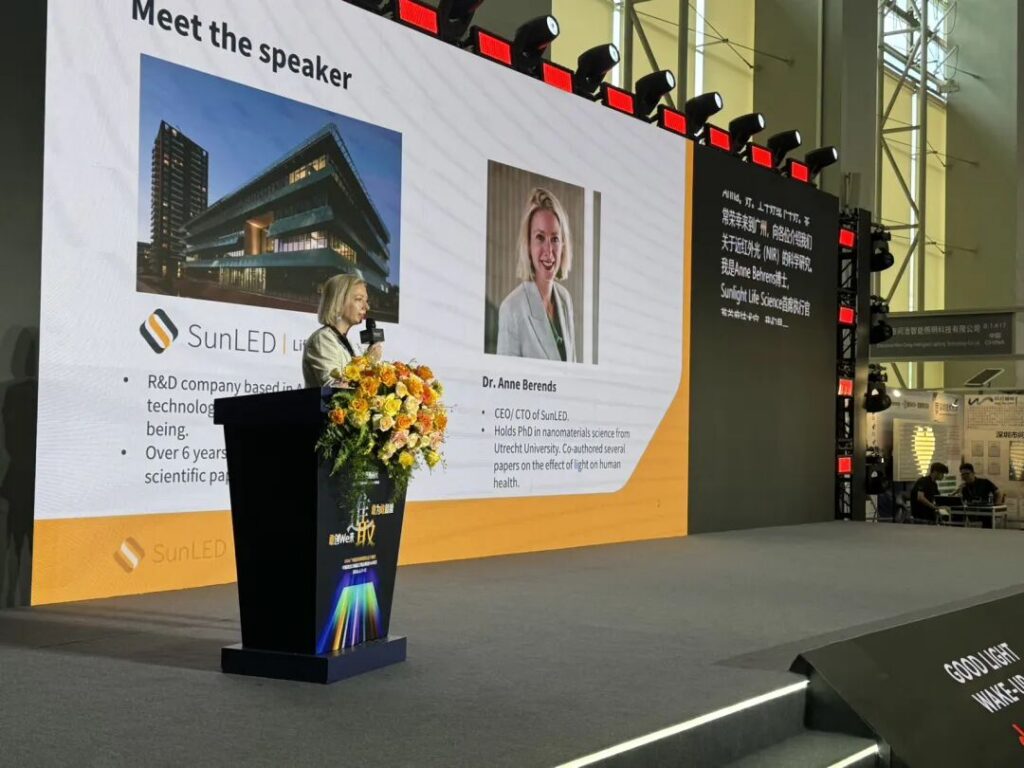
SunLED, meanwhile, took the discussion toward near-infrared light and its connection to health and well-being. Beyond visible light, there is invisible light; beyond vision, there are non-visual effects; beyond illumination, there are photobiology, dose, exposure time, irradiation geometry, and scientific boundaries.

This is also a direction that the future of healthy light must approach with caution. We need innovation, but we cannot overclaim. We need imagination, but we cannot lose sight of evidence. We need industrialization, but we cannot reduce life sciences to mere commercial labels.

The more we talk about health, the more we must revere science. The more we talk about the power of light, the more we must respect its boundaries.


A Vast Exhibition Hall and a Very Real Wandering

At noon, several international guests followed me as we got lost navigating the massive exhibition hall. Guangzhou’s exhibition center is truly enormous. From the main forum area to the focus group session area on the viewing deck of Hall 3.2, we made our way through luminaires, booths, screens, crowds, noise, and all kinds of light on display. It was a bit chaotic, but also very real.

In that moment, it suddenly struck me that this is very much like the current situation of healthy light in the industry. Everyone knows that direction is important. But when it comes to actually walking the path, it is never simple.

Scientists have their own language. Designers have their own language. Manufacturing companies have their own realities. Standards organizations have their own boundaries. Building owners have their own costs and returns. Users have their own real—though not always articulate—feelings.

This is why we need platforms. We need translation. We need dialogue. We need to bring people from different systems to the same table.

In the end, we finally made it to the Hall 3.2 viewing deck, took a short rest in the co-creation area, and prepared for the upcoming international media interviews and focus group session.


Afternoon: Main Forum, Media Interviews, and Focus Group Session Unfold Simultaneously

In the afternoon, the main forum continued alongside the first focus group session that followed immediately after.

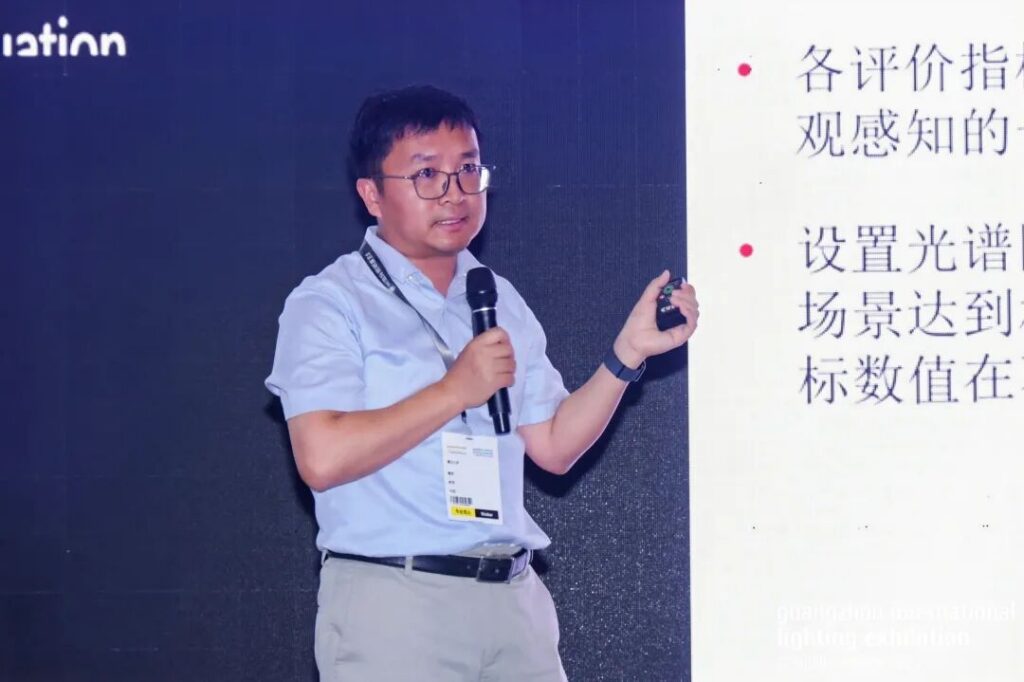
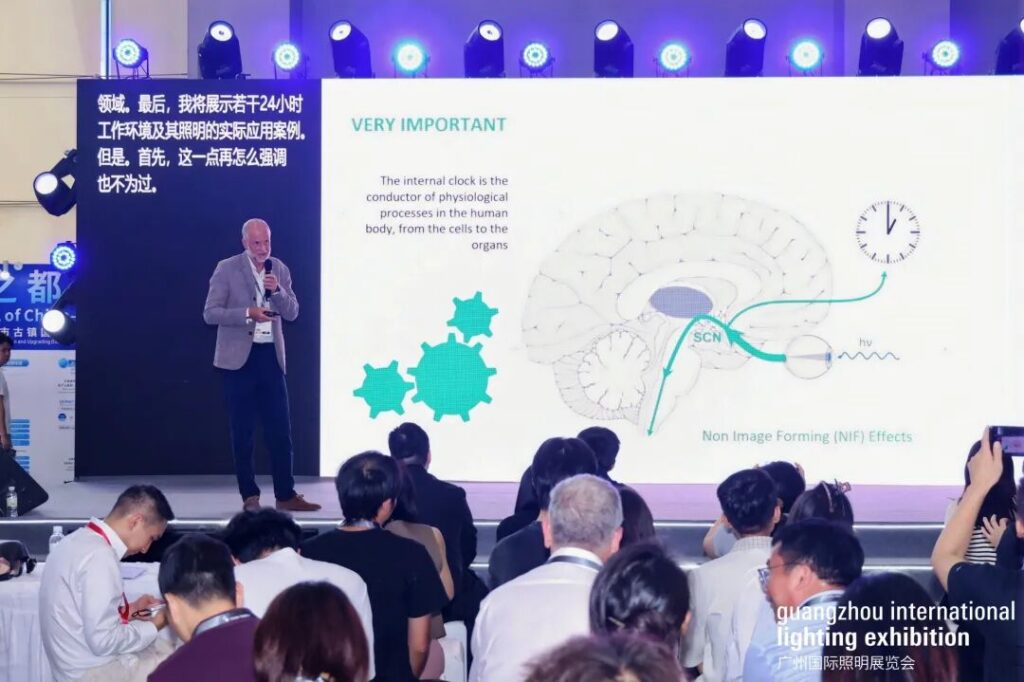
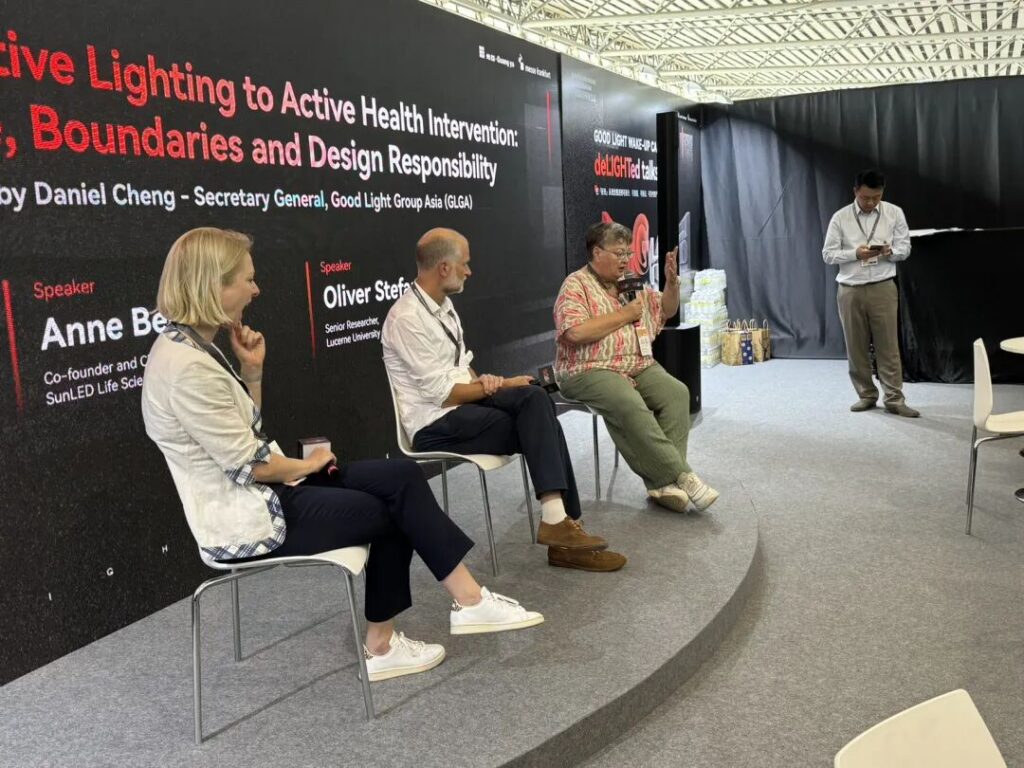
On the main forum stage, guests from PAK Corporation, Delos, Rob Lucas, 戴奇教授, Dr. Oliver Stefani, and others took the discussion of healthy light even deeper—from perspectives such as office lighting, healthy buildings, light measurement, educational spaces, and 24-hour work environments.

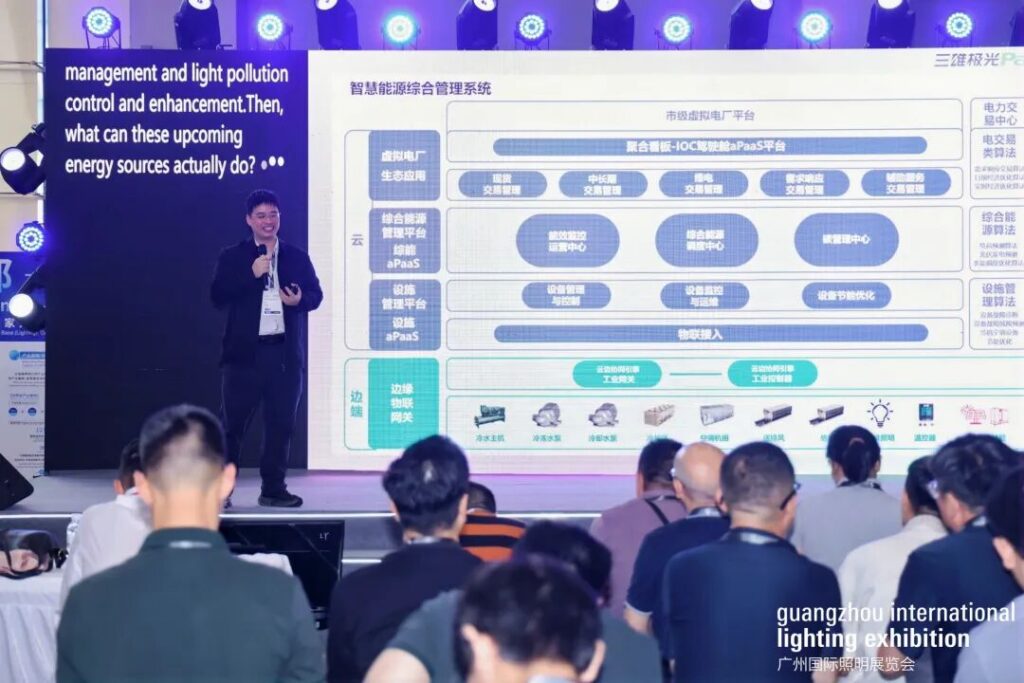
PAK Corporation shared their product practices and value transformation, moving from office lighting to healthy light scenarios.

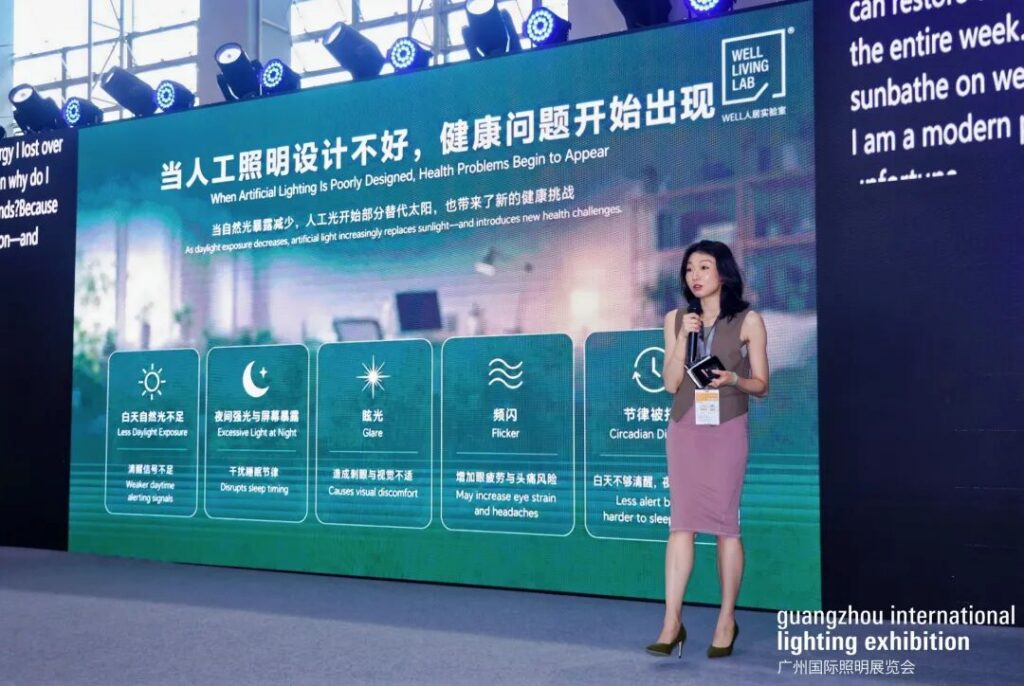
Dr. Tori Hui Ren, drawing on insights from the Well Living Lab and the communication of health value, reminded everyone that when artificial lighting is poorly designed, health problems begin to emerge.

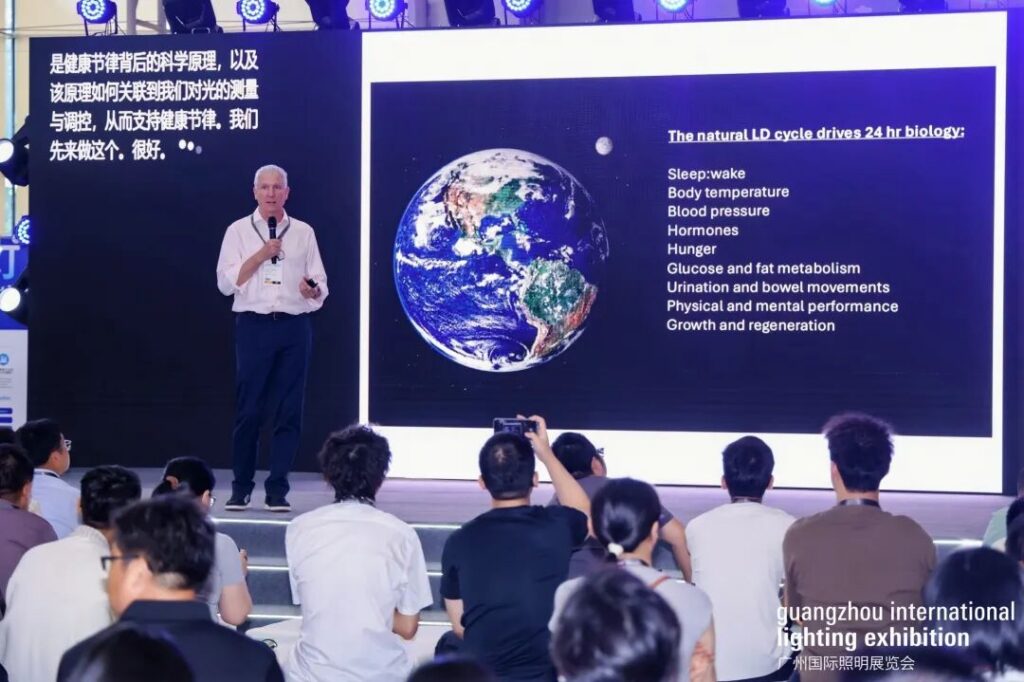
Professor Rob Lucas, starting from natural light-dark cycles and 24-hour biology, clearly explained how light connects to sleep, body temperature, blood pressure, hormones, hunger, metabolism, excretion, physical and mental performance, as well as growth and repair.

For the lighting industry, this content is not just new knowledge—it is also a reminder: every space we design is, in fact, shaping a person’s day. How they wake up in the morning, how they focus in the afternoon, how they relax in the evening, how they avoid disruption late at night, and how they maintain healthy rhythms over the long term.

Light is not just a backdrop. Light is part of the environment, and part of the rhythm of life.


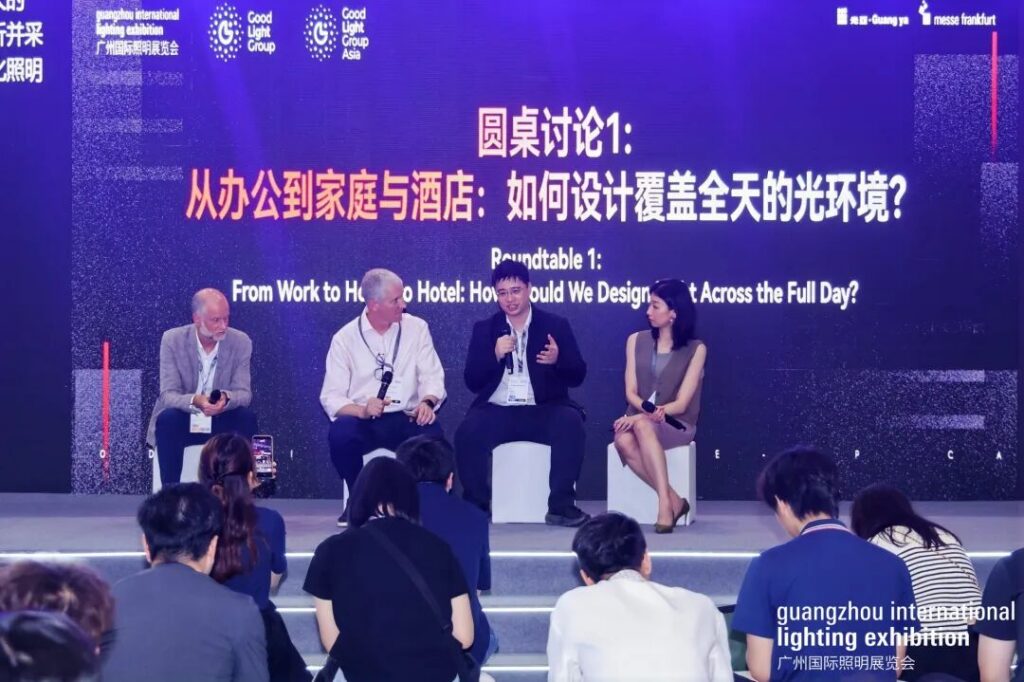
Panel Discussion: From Office to Home and Hotel — How to Design a Light Environment That Covers the Entire Day?

The afternoon panel discussion posed a significant question: From office to home and hotel — how do you design a light environment that covers the entire day?

This is a very big question. Because people don’t live only in offices, nor only at home, nor only in hotels, hospitals, schools, or exhibition halls.

A person’s day is continuous. And the impact of light is also continuous. Morning light affects how the day begins. Daylight affects focus and mood. Evening light affects the body’s transition into rest. Light at night can either protect sleep or disrupt it.

Therefore, healthy light cannot be limited to a single scenario. It cannot be just about a single lamp. It cannot be just about a single app scene. It must begin to understand the full arc of a person’s day — from office to home, from hotel to healthcare, from education to elderly care, from design to operation and maintenance, from product to space, from metrics to experience.

This is the true challenge of healthy light — and it is precisely where its real value lies.


International Media Roundtable: Healthy Light Cannot Be Just About Concepts

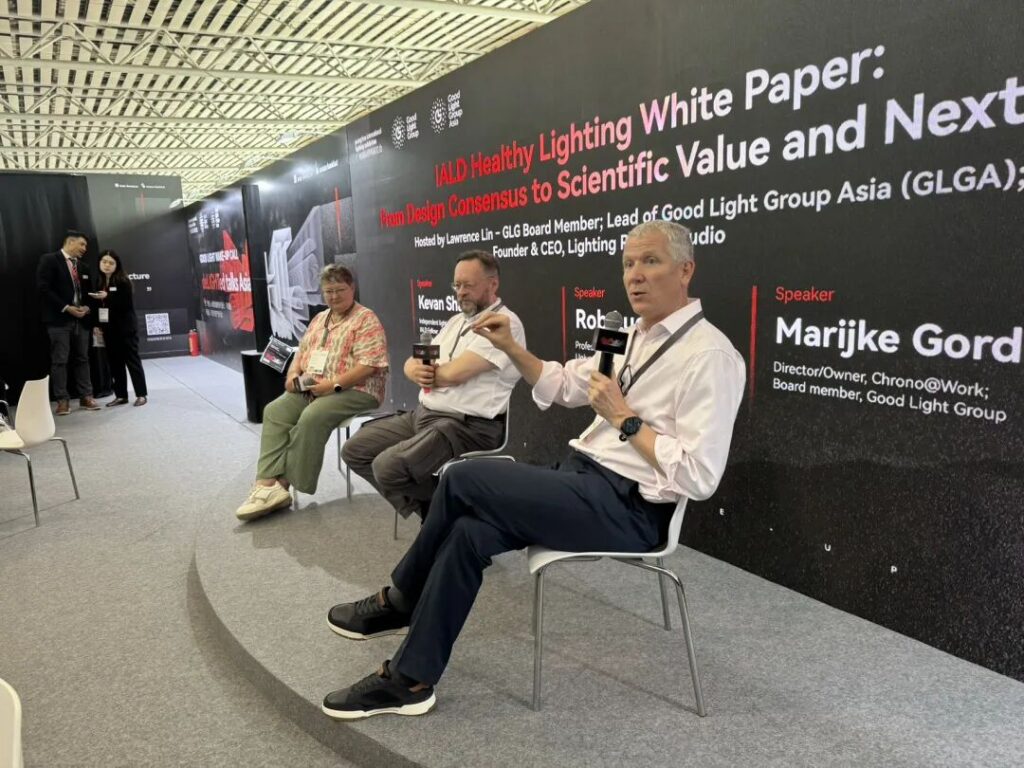
That same day, an international media roundtable was also held on the viewing deck of Hall 3.2. This media session was not a traditional press conference—it was more like an in-depth conversation aimed at international communication.

We wanted the media to understand that healthy lighting is not a new marketing term, but a system that needs to be supported by science, design, standards, measurement, technology, and real-world applications.

In a discussion centered on the IALD Healthy Lighting White Paper, Kevan Shaw—speaking as a designer and a white paper author—explained why lighting design must once again confront health, well-being, and light quality.

Rob Lucas, drawing from the foundations of neuroscience, discussed why non-visual effects of light deserve to be seriously understood by the design community.

Marijke Gordijn, from the perspectives of sleep, circadian rhythms, and applied science, connected the white paper to real life and future action.

We emphasized one point repeatedly: If healthy light is reduced to color temperature changes, if human-centric lighting is reduced to marketing labels, and if the health value of light lacks measurement, validation, and accountability boundaries, it will quickly lose public trust.

True healthy light requires both science and design; both evidence and aesthetics; both industry innovation and professional ethics.

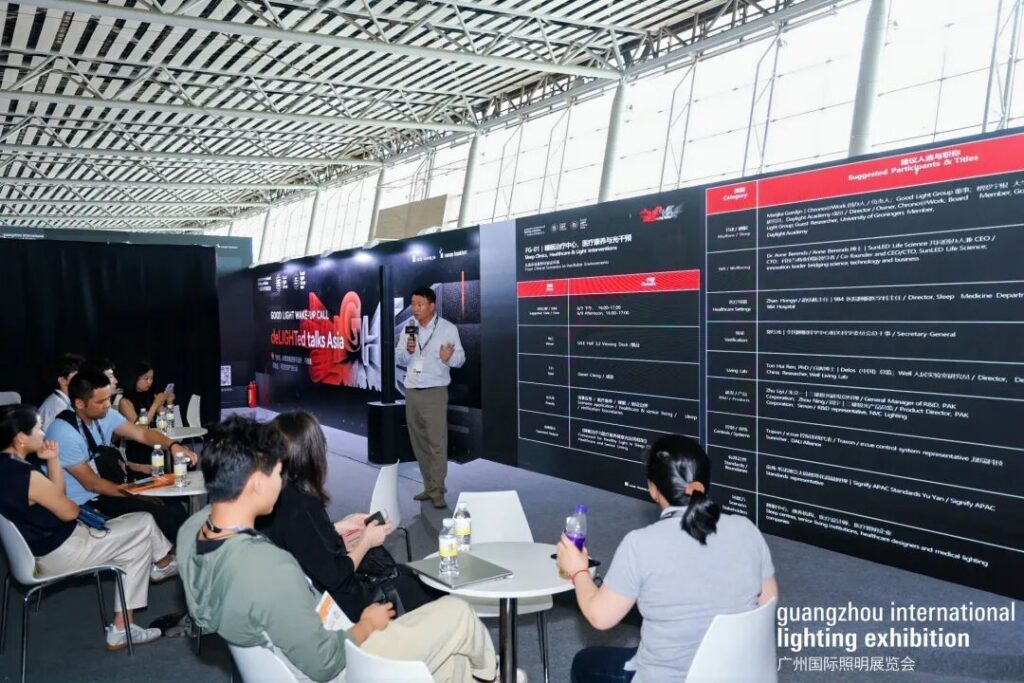
First Focus Group Session: From Sleep Clinics to Verifiable Environments

The first focus group session of the afternoon focused on “Sleep Clinics, Healthcare & Light Intervention.” This is precisely one of the scenarios where healthy light requires the most caution—and also holds the greatest potential to create value.

In sleep, healthcare, and elderly care environments, light does more than provide visibility. It can affect nighttime awakenings, daytime alertness, patient mood, caregiver fatigue, circadian stability in the elderly, and the overall sense of safety and calm within a space.

But the deeper we venture into healthcare and elderly care, the less room there is for reckless claims. We must clearly distinguish: What is better general lighting? What is environmental lighting that supports health and well-being? What approaches medical-grade intervention? What requires clinical evidence, ethical review, and stricter boundaries?

During the discussion, participants exchanged views on quantitative metrics, scientific evidence, product development, scenario integration, and intelligent controls. Gradually, a consensus emerged: healthy light is not impossible to implement—but it must emerge from a complete pathway encompassing theory, standards, products, design, measurement, validation, and operation.

This is precisely the work that GLGA aims to advance going forward—not merely to host a forum, but to make the forum a starting point for action.


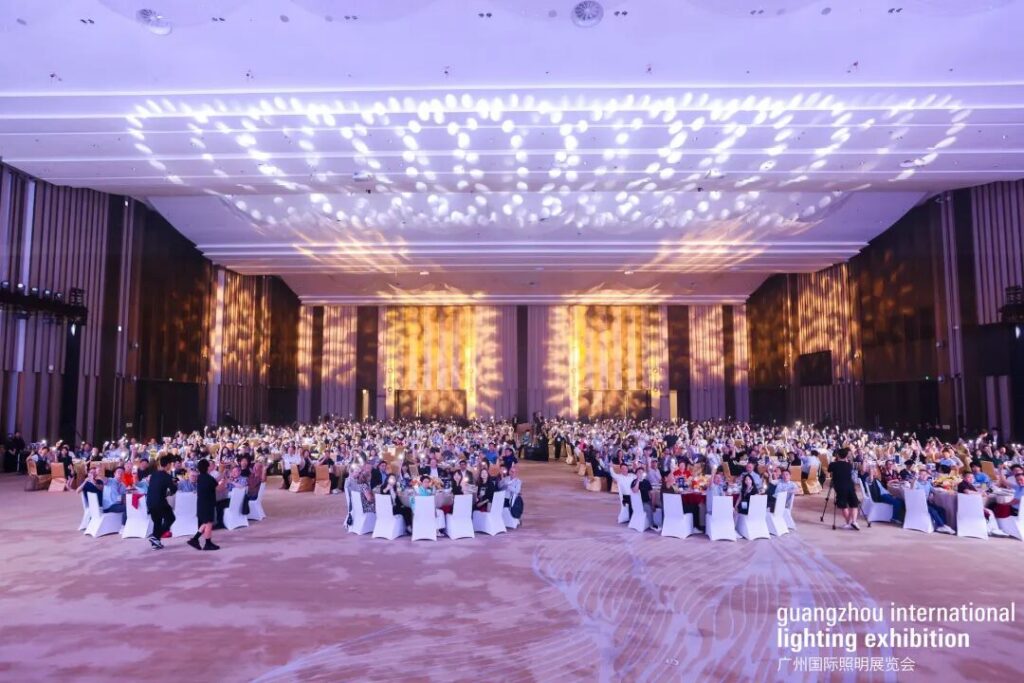
Dinner: In Front of the Flame-Colored “Courage” Character, Speaking of the Next Step for Good Light

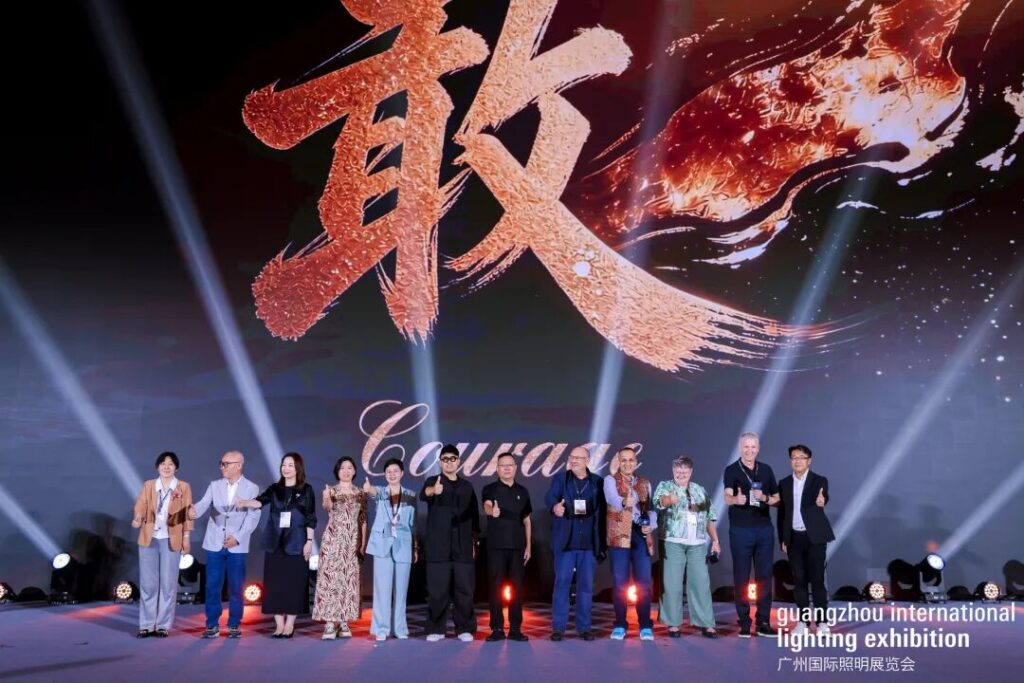
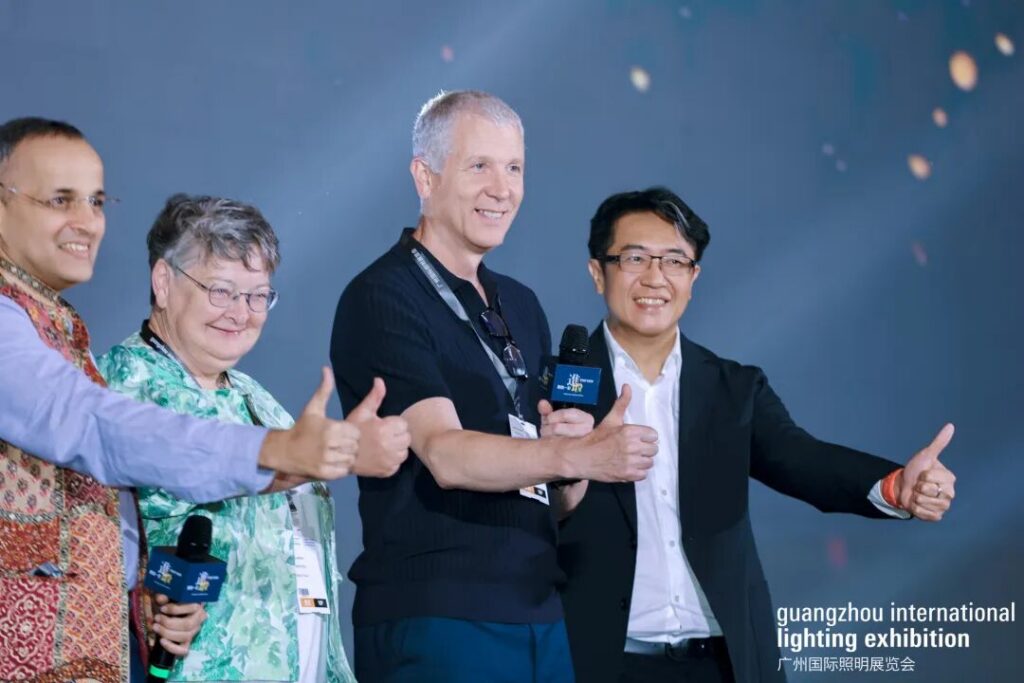
In the evening, during the dinner session of the conference agenda, I joined Marijke and Rob Lucas on stage as representatives of the deLIGHTed Talks Asia event.

Behind us, on the massive screen, was a giant flame-colored Chinese character: “Courage“. It looked like a burning brushstroke, like an illuminated conviction, like the spirit of an industry that refuses to step back even in a time of transformation. In that moment, we were facing the entire GILE industry community.

What I wanted to express was simply the feeling that had accumulated over the entire day: “Courage” is not about shouting louder, not about making booths more dazzling, not about piling up more technical jargon—it is about being willing, in a difficult industry cycle, to move toward the next, harder, yet more valuable direction.

We hope to try to create a true closed loop for good light across the following links: scientific research, light sources, luminaires, systems, design, measurement, validation, and user experience. This is not something that one person, one company, or one association can accomplish. It must be a whole-industry-chain action.

Scientists need to translate research into understandable directions. Designers need to transform knowledge into human experiences. Companies need to convert products into deliverable systems. Standards organizations need to provide a common language. Building owners need to see value. Users need to truly benefit.

This is our “Courage” vision for 2026.


The Music Ends, But the People Remain — Good Light Is Still Being Discussed

After the dinner ended, the music faded and the crowd dispersed. But we remained on site, continuing to engage in lively discussions about the next steps. We talked about CIE S 026, EDI and DER, HCL-ready IES Profiles, DALI and control systems, design software, spatial models, human-centric models, standards, demonstration projects, and how the Asian industry chain can move from manufacturing capability to verifiable healthy light capability.

In that moment, I suddenly felt that today’s exhaustion was worth it. Because a truly important exhibition is not necessarily the largest, not necessarily the liveliest, not necessarily the one with the most exhibitors, the most booths, or the loudest buzz. A truly important exhibition is one where, at a moment of industry inflection, new consensus begins to emerge.

This year’s GILE may have had fewer booths and fewer exhibitors. But I saw something more important: good light is waking up. It is moving from a concept to an action; from a forum to a task force; from a slogan to measurement and validation; from the belief of a few to the heart of the industry floor.

The road ahead is still long, and it will not be easy. But at least, we have begun.

With “Courage” as our wings, science as our foundation, design as our bridge, industry as our engine, and people as our center — let good light move from awakening to action. Let Asia become a vital stage for the future of global healthy light.


June 10 — The Action Continues

And this was only the second day of deLIGHTed Talks Asia @ GILE 2026. On June 10, we will continue to push “Good Light Wake-up Call|好光覺醒行動” even deeper.

The morning main forum will explore healthcare and elderly care, circadian science, WELL healthy buildings, brain science, and EEG validation.

We will continue to discuss: How does light enter medical and elderly care scenarios? How does it support sleep, circadian rhythms, and daily health? How do we move from healthy homes to verifiable living scenarios? How do we use brain science, EEG, and human response to push healthy light from concept to evidence?

In the afternoon, discussions will further delve into design, healthy buildings, public buildings, owner value, and industry consensus.

Kevan Shaw, Marijke Gordijn, Rob Lucas, Oliver Stefani, IWBI, VLDC, and partners from China’s research, design, corporate, and standards communities will continue to address the same question from different angles: How can healthy light truly become owner value? How do we move from design to validation? How do we move from forums to standards, products, projects, and long-term action?

At the same time, the focus group sessions on the Hall 3.2 viewing deck will continue.

From healthy buildings and owner value, to brain science, EEG, and multimodal validation, to offices, education, and “good homes” — we aim to take the concepts from the main forum and bring them into smaller, more specific, more actionable in-depth discussions. This is what sets deLIGHTed Talks Asia apart from typical forums. We don’t just want people to hear — we want them to participate. We don’t just want people to be inspired — we want them to act. We don’t just want people to believe in good light — we want to work together to make it, measure it, validate it, and deliver it.

June 10 — Good Light Wake-up Call continues. From science to design, from standards to application, from industry to human outcomes — we keep moving forward.

June 9, 2026 | Guangzhou Convention & Exhibition Center
deLIGHTed Talks Asia @ GILE 2026

發佈留言

發佈留言必須填寫的電子郵件地址不會公開。 必填欄位標示為 *