Day 4 deLIGHTed Talks Asia @ GILE 2026 | Healthy Light: From Hype to Engineering Implementation

After the clamor of many voices, how bright can the Good Light Wake-up Call be?

Day 4 of deLIGHTed Talks Asia @ GILE 2026
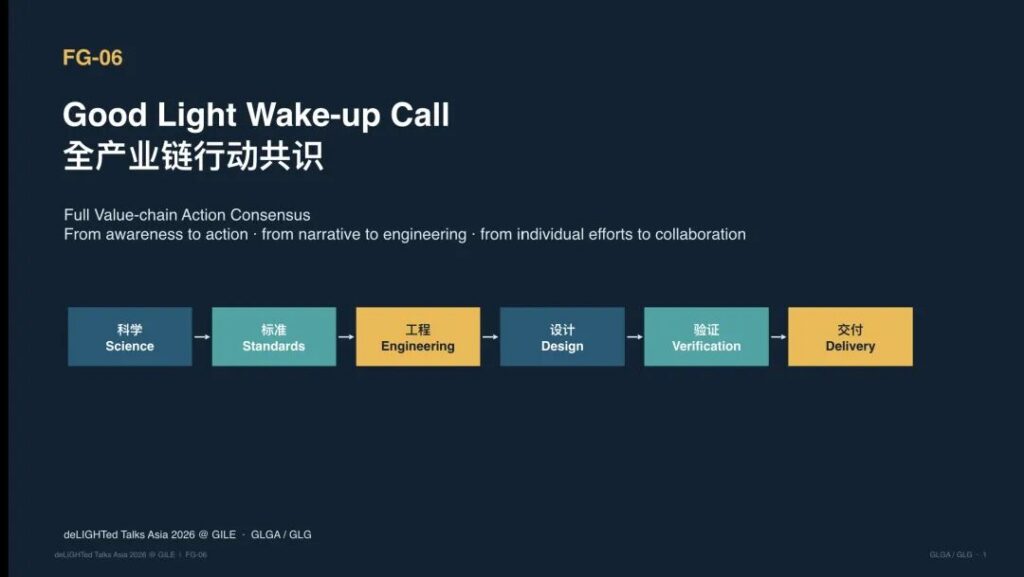
“Amid the clamor of many voices, how bright can a wake-up call—a warning bell—be? Sometimes it is harsh; sometimes it is gentle; sometimes it feels like an unpleasant truth—hard to hear, yet impossible to ignore.

But we must admit: if today’s lighting industry does not awaken itself, does not wake up, and does not advance ‘good light’ from a slogan into science, engineering, standards, design, and validation, we may very well lose the true power to define the next generation of our industry.

In the past, we defined lighting through brightness, efficacy, lifespan, price, distribution channels, and scale. In the future, what the industry truly needs to redefine may no longer be simply ‘whether a lamp can turn on,’ but: can light truly serve people?


The morning sun is bright, but the warning bell is not always gentle.

June 11, Guangzhou. deLIGHTed Talks Asia @ GILE 2026 enters its fourth day. The morning sun is brilliant. Outside the exhibition hall, crowds surge as always. Inside the hall, lights, screens, booths, loudspeakers, footsteps, and pleasantries blend into a familiar industrial clamor.

Today is what we originally planned as Action Day. In the previous days, we talked about science, circadian rhythms, sleep, WELL, design, brain science, EEG, near-infrared spectroscopy, healthy buildings, industrial value, and many visions of ‘good light.’

But on the final day, we must face a harder question: after all this talk, what exactly should we do next? If the Good Light Wake-up Call remains just a forum, a slogan, a round of applause, it will soon dissipate into the crowds and noise of the exhibition hall.

So on the fourth day, we push the discussion into harder, deeper, and more difficult territory: engineering models. There is a subtle tension in the air today. It is not about excitement, promotion, or announcements. It is about a group of people beginning to realize: if healthy light is truly to be realized, the hardest part is not telling a beautiful story—the hardest part is turning the science, data, products, controls, spaces, and validation behind that story into a common engineering language that the entire industry can use together.”


FG05: The Least “Glamorous” Topic, Yet Possibly the Most Essential Foundation

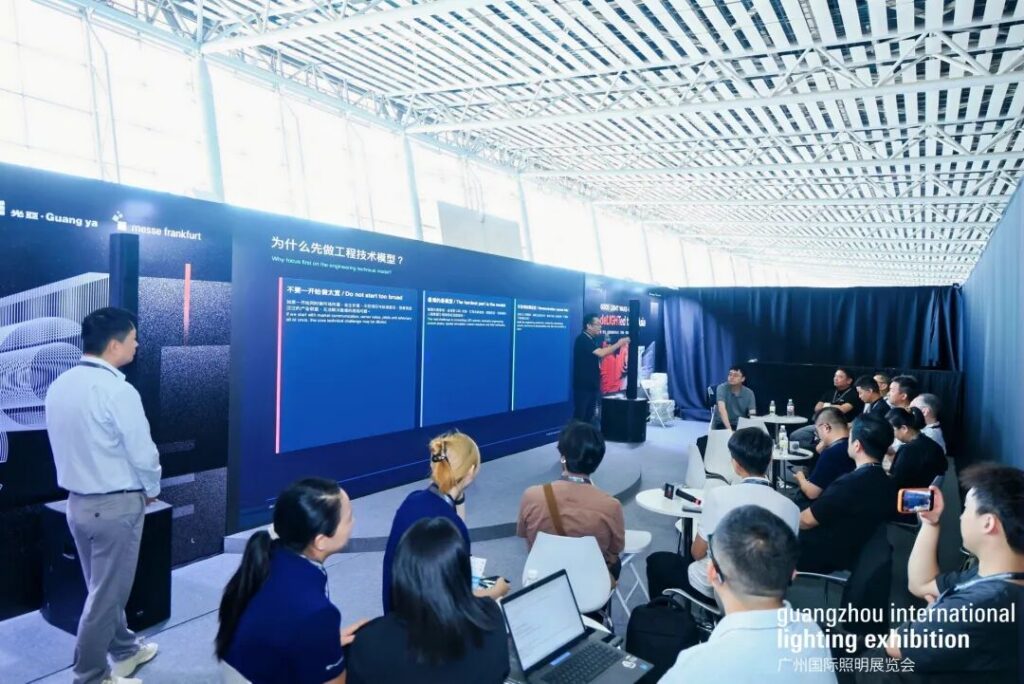
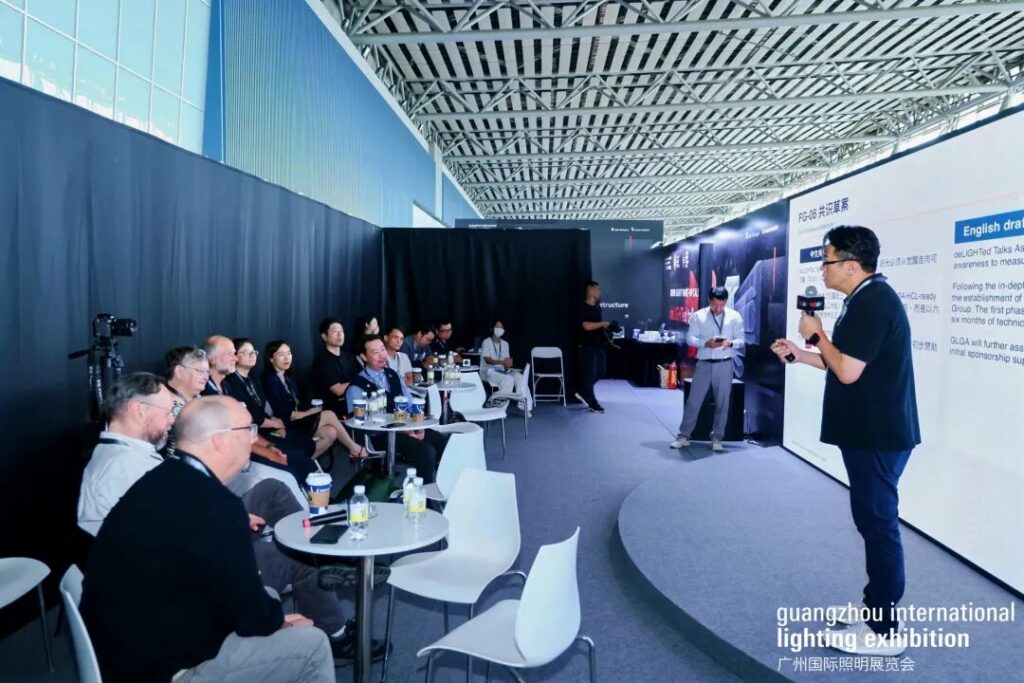
The fifth focus group session of the morning, FG05, centers on the theme:
HCL-ready Engineering Data Model – the engineering data model for healthy light.

This is not an eye-catching topic. It lacks the intuitive appeal of “sleep,” “healing,” “healthy homes,” or “smart offices,” nor does it have the buzz of a new product launch. Yet it may be the hardest and most important foundation for truly realizing healthy light.

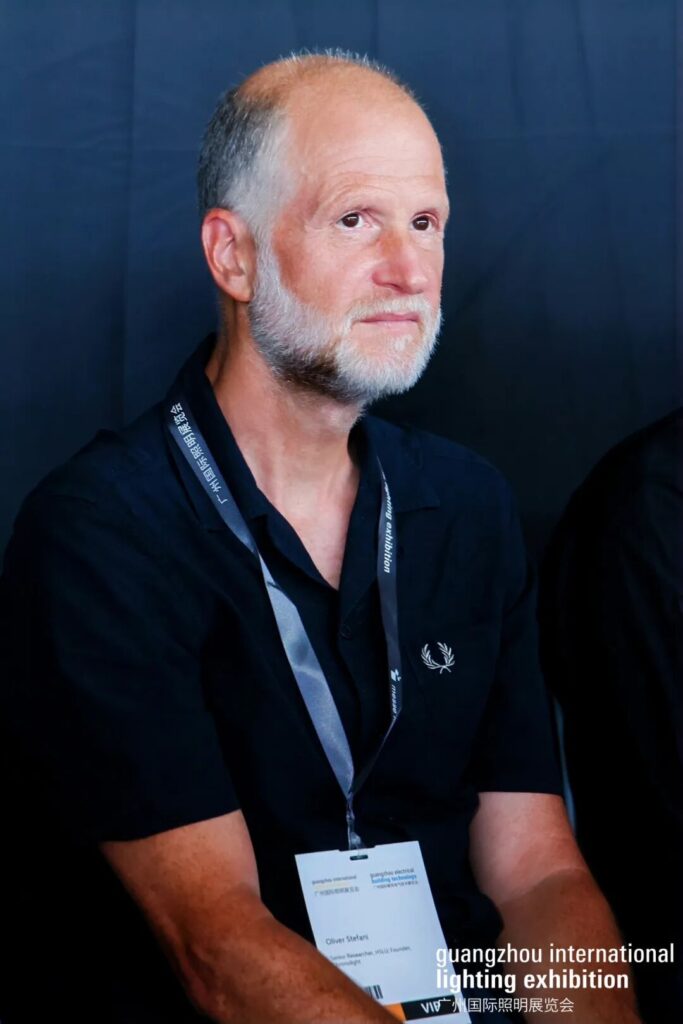
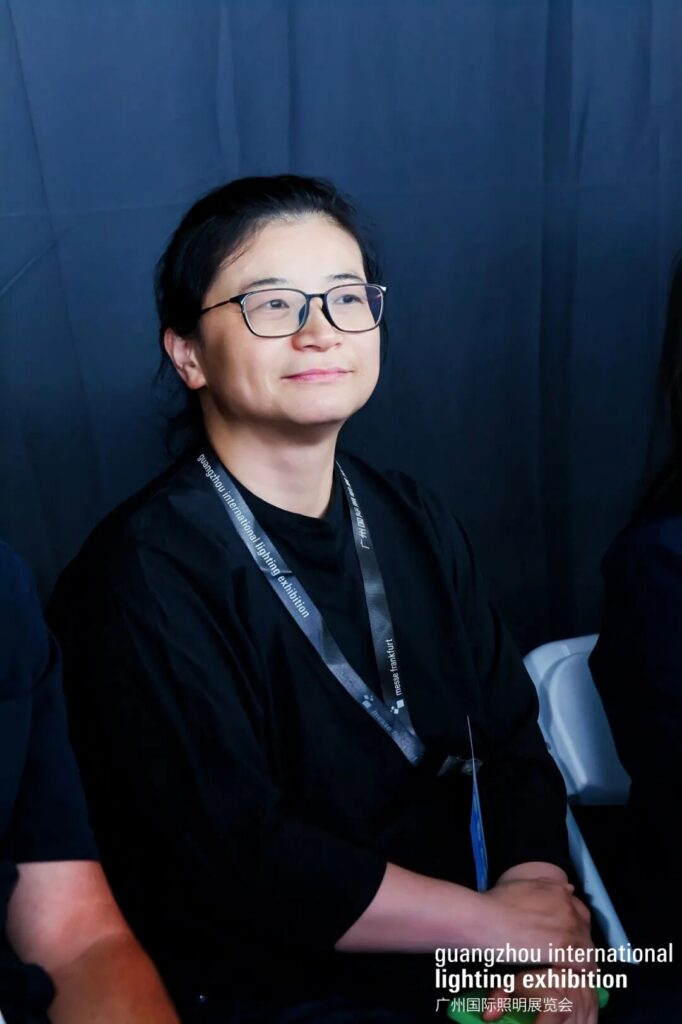
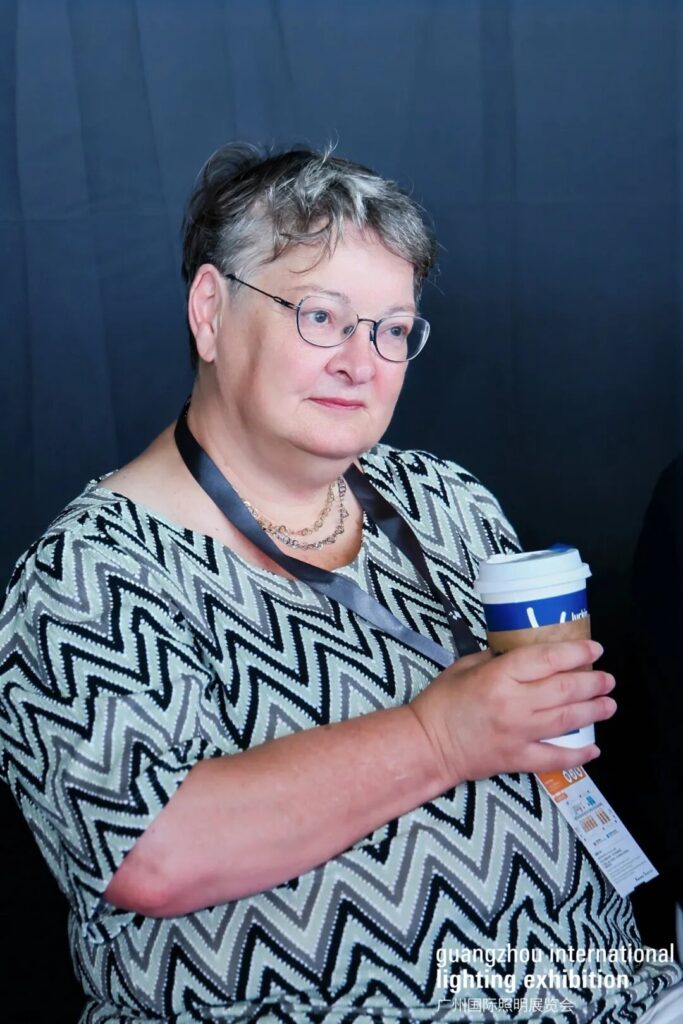
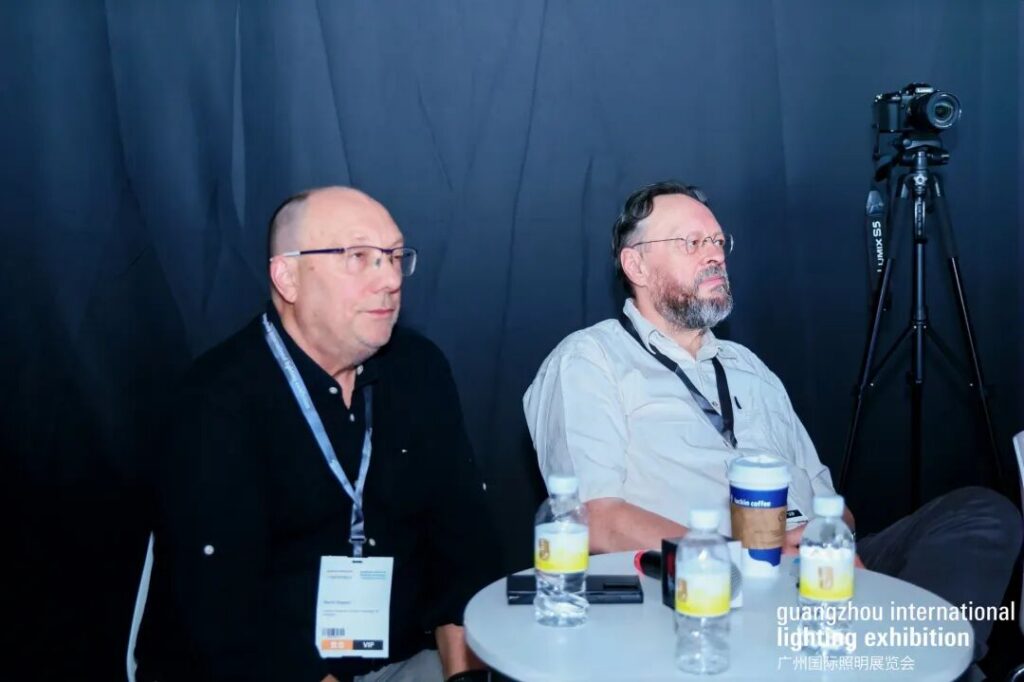
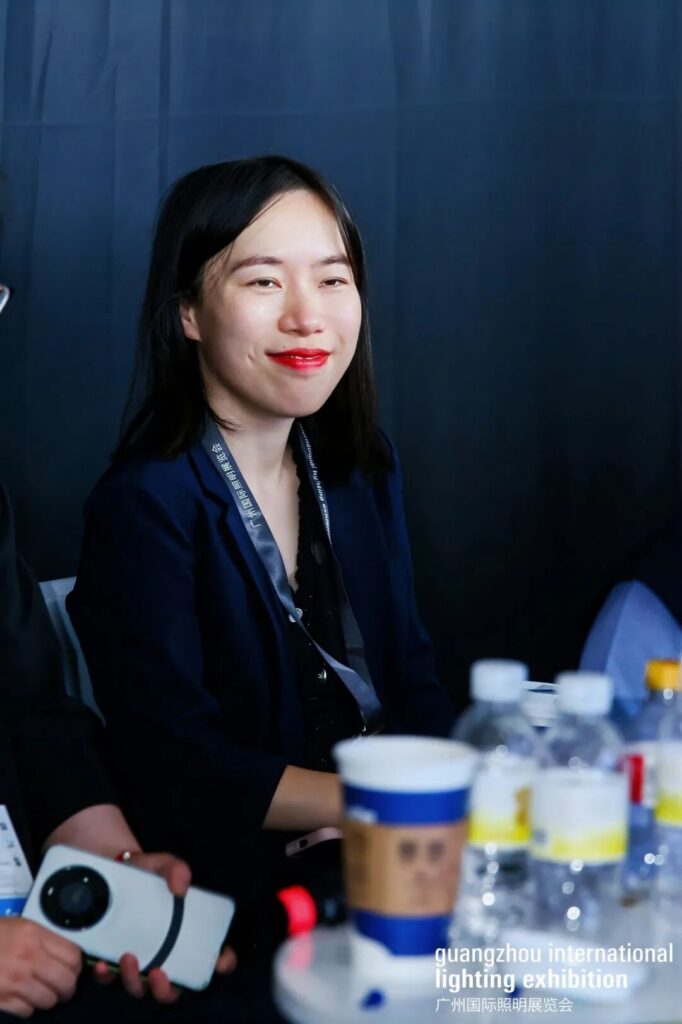
Gathered together are: Nichia, Luminus, Nationstar, Signify, PAK, MuGuang, Sunricher, Insona, Fudan University, along with multiple international experts and industry representatives.

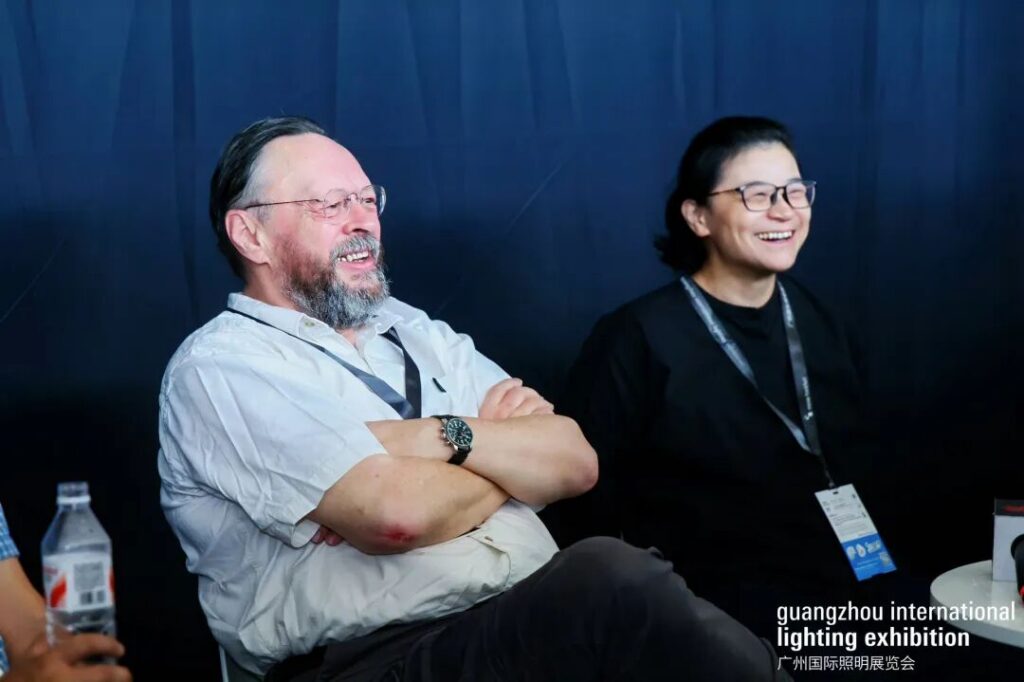
This was not a meeting where everyone sat down exchanging pleasantries. It was more like a “teardown session” for the industry. Everyone took that beautiful-sounding term—”healthy light”—and peeled it apart layer by layer: down to LED spectra, down to the optics, mechanics, electricity, and thermal management of luminaires, down to drivers and dimming, down to DALI scenes, down to IES/LDT file formats, down to room surface reflectances, down to eye-level height, down to on-site measurement, down to instrument calibration, down to whether the spectrum will shift after one, three, or five years.

From the very beginning, the discussion became very direct: If healthy light is to be designed, calculated, validated, and delivered, where does its data come from?

A luminaire cannot simply claim to be “healthy.” A space cannot simply claim to be “comfortable.” A product cannot rely solely on color temperature, color rendering index, and luminous efficacy to prove its relevance to human circadian rhythms, sleep, or well-being.

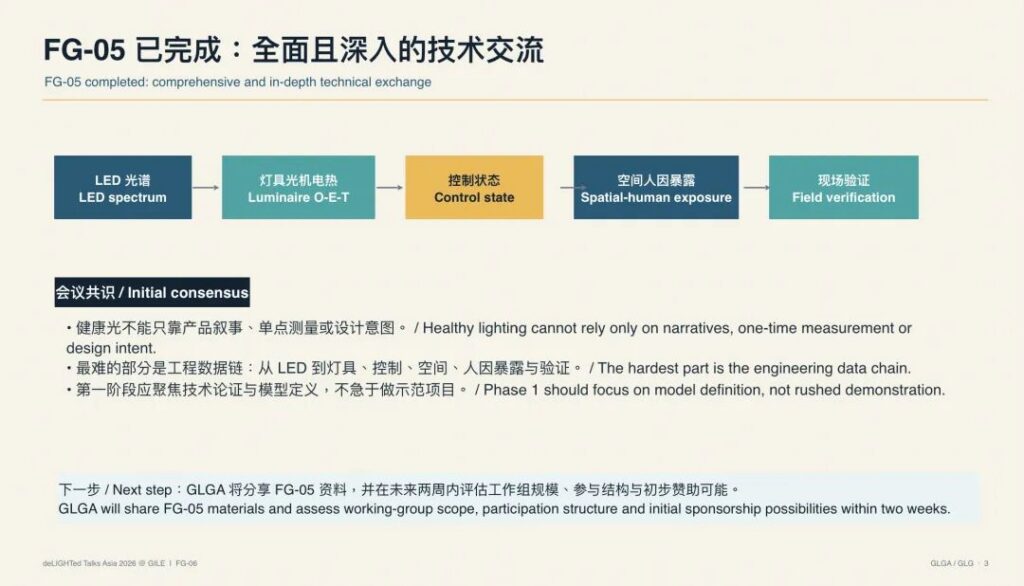
Healthy light requires a complete engineering chain:
LED spectrum → luminaire opto-electro-thermal-mechanical model → control state → spatial human exposure model → on-site validation

This chain sounds highly technical, even a bit dry. But what it truly seeks to resolve is this: What kind of spectral data should LED companies provide? How should luminaire manufacturers translate LED spectra into luminaire-level output? How do optics, mechanics, electronics, drivers, and thermal management affect SPD, EDI, DER, and flicker? How do DALI, LMS, BMS, and smart control systems record spectral output across different scenes? How do design software tools move from traditional illuminance simulations to melanopic EDI/DER simulations at eye level? How does on-site measurement verify whether design values, product data, and actual human exposure align? After one year, three years, five years—does the spectrum remain stable? Are the key metrics of healthy light still reliable?

If these problems are not solved, healthy light will easily remain a “beautiful narrative.” And narratives cannot replace engineering.


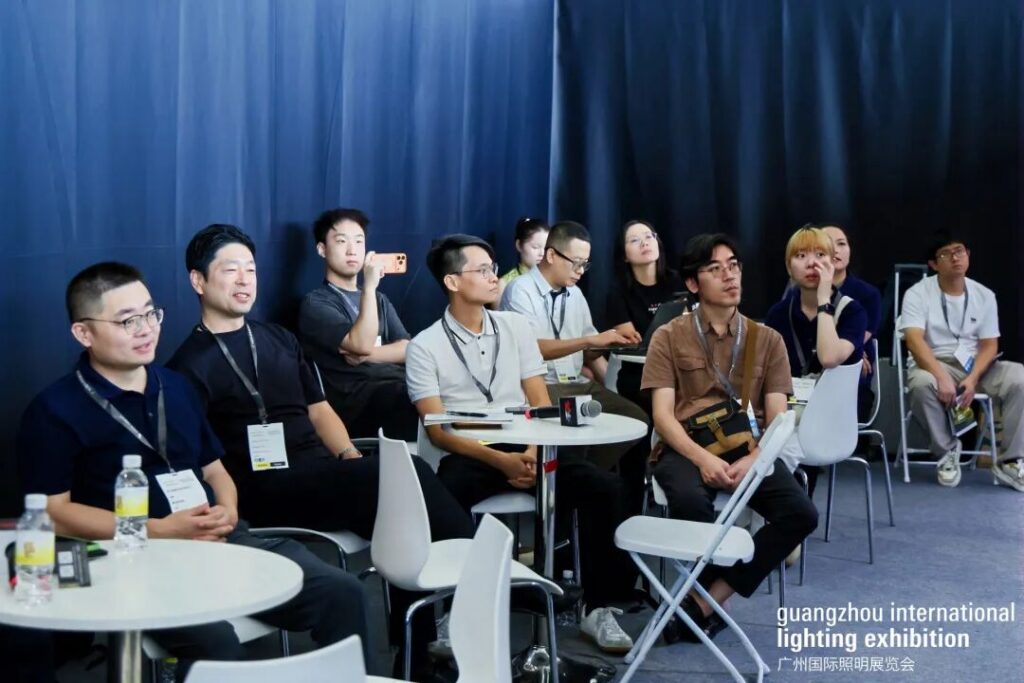
A truly valuable meeting is not one where everyone agrees, but one where questions are asked deeply.

The most precious part of this discussion was not how many elegant statements were made, but how many questions were truly explored in depth.

Someone pointed out: If the source data language is not unified, then all downstream claims about healthy light risk becoming a broken chain that cannot be consistently validated.

Someone emphasized: LED and luminaire companies can provide accurate, calculable spectral data, but they should not readily package this data directly into health claims. The responsibility for health claims lies at the level of validation, certification, and application boundaries.

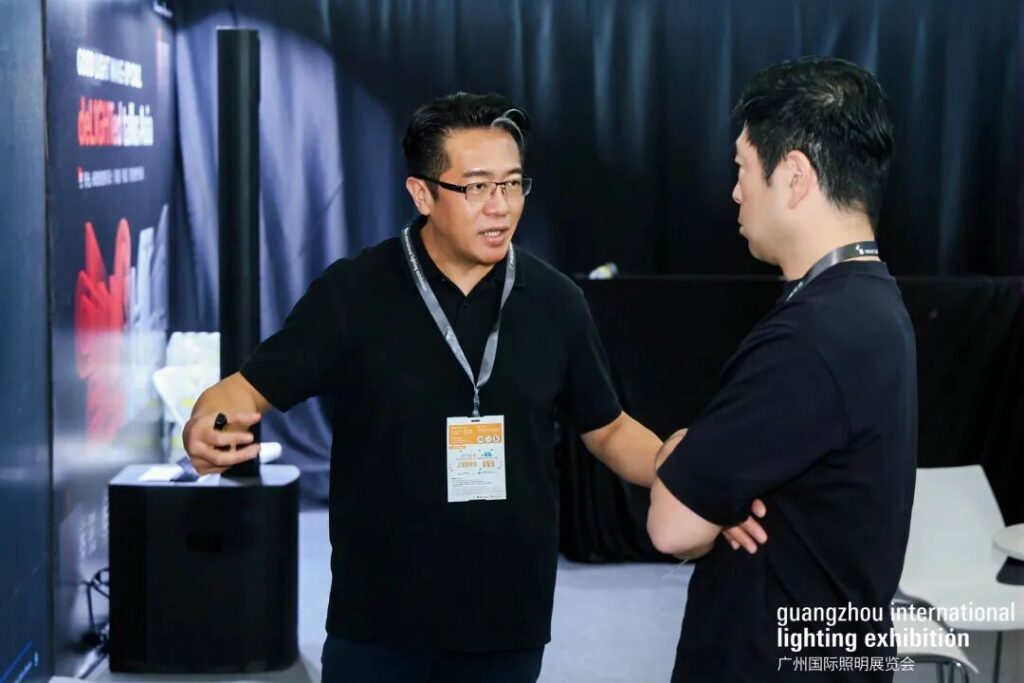
Someone, drawing on European practices, spoke about the real-world challenges of melanopic measurement: metrics that seem clear in the laboratory, once inside a space actually used by people, run into issues of eye level, orientation, time, reflectance, behavior, instrumentation, and calibration.

Someone noted: The existing IES/LDT file formats are very valuable, but they were designed primarily for traditional photometric design. To carry spectral data, alpha-opic data, control scenes, and human exposure, they are clearly insufficient.

Someone from the LED industry raised a very practical problem: SPD data is not a static number. Different currents, different junction temperatures, different binning, different batches, and different long-term operating conditions all affect downstream calculations. Systematically opening up and standardizing this data is no simple task.

Others approached from the control system perspective: Healthy light is not a static luminaire, but a dynamic system that changes over time, across scenes, channels, dimming, and sensor feedback. The mapping between control states and SPD may become a critical layer in the engineering of healthy light.

These discussions did not sound like a lively forum. They sounded more like a group of people gathered around an unassembled machine, inspecting every gear, interface, circuit, and margin of error. Some parts are clear. Others are still fuzzy. Some areas even reveal just how far the industry still is from truly delivering healthy light.

But that is precisely a good thing. Because when an industry truly moves to its next stage, it rarely begins with applause. It begins with a willingness to face difficult problems.

The hardest thing is not talking about healthy light, but making it a verifiable engineering system.

In recent years, healthy lighting, human-centric lighting, circadian lighting, and light and health have increasingly gained industry attention. But “being heard” is only the first step. The real challenge is: How do you translate scientific metrics into a common data language that the entire industry chain can use together?

CIE S 026, EDI, DER, alpha-opic metrics—these scientific and metrological tools provide us with an essential foundation. But they will not automatically enter LED datasheets, nor automatically enter luminaire IES/LDT files, nor automatically enter DALI scenes, nor automatically enter design software, nor automatically become results that building owners can understand, that can be accepted on-site, and that can be maintained over the long term.

What is missing in between is engineering translation. And today’s FG05 was precisely an attempt to open up this issue. We proposed that we should not rush into so-called demonstration projects. This is not to say that demonstration projects should not be done at all, but rather that they should not be pushed forward hastily before the underlying engineering models are clear.

Without a common data foundation, demonstration projects risk being merely showcase pieces. Without validation methods, demonstration projects risk being merely marketing displays. Without long-term consistency, demonstration projects risk being impossible to replicate.

Therefore, we propose a more pragmatic, and more rigorous, path: first establish the model, then validate the method, and only then move into pilots and demonstrations.


An 18-Month Technical Roadmap

In the fifth session, we suggested exploring the establishment of a GLGA HCL-ready Engineering Data Model Working Group.

This is not a short-term publicity project, nor an action plan that can be completed in 30, 60, or 90 days. If we are truly serious about engineering healthy light, the first phase alone—technical validation, data gap analysis, model definition, and feasibility verification—will take at least three to six months.

Therefore, we propose a more realistic 18-month roadmap:

Phase 1: Months 0–6 – Technical Validation, Model Definition, and Feasibility Verification
Focus on problem definition, data gaps, and structural analysis of existing LED/luminaire/control/IES/LDT/measurement data. Establish the basic framework of an engineering model for healthy light. Do not rush into demonstration projects. Do not rush to announce results. First, clarify the problems.

Phase 2: Months 6–12 – Prototype Framework Development and Controlled Validation
Select a limited sample set to test SPD, EDI/DER, flicker, thermal stability, and control-state mapping across different LEDs, luminaires, and control states. Compare simulated values against measured values in a controlled environment. Establish preliminary error ranges and calibration logic. This is technical prototype validation, not market demonstration.

Phase 3: Months 12–18 – Pre-Standard Framework, Industry Alignment, and Pilot Preparation
Once the model is relatively mature, move toward expert review, industry coordination, international standards dialogue, data sharing principles, and preparation for future pilots. Only when the engineering model and validation methods are relatively clear will demonstration projects truly make sense.


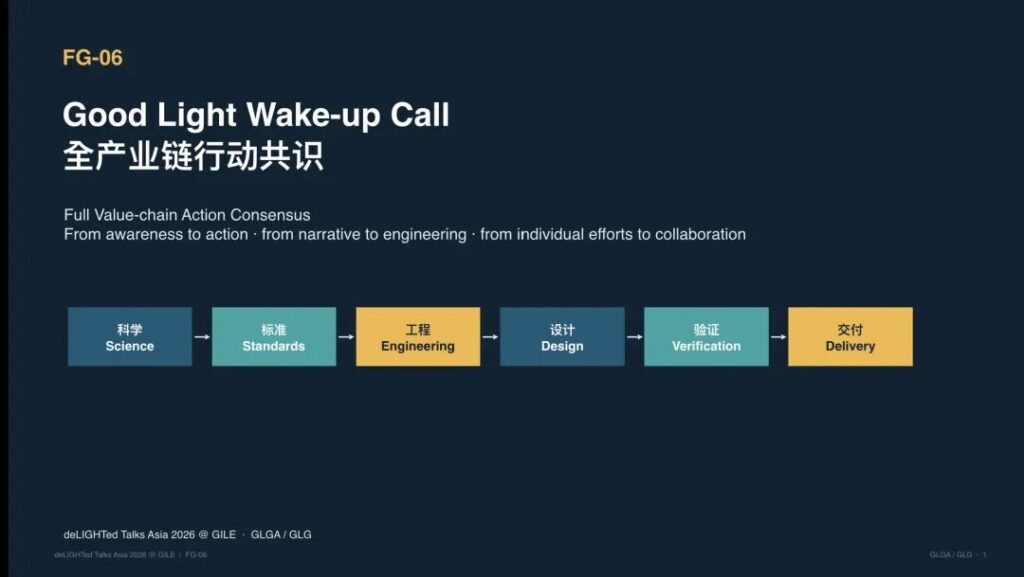
FG06: Afternoon – More Voices, a More Complete Picture

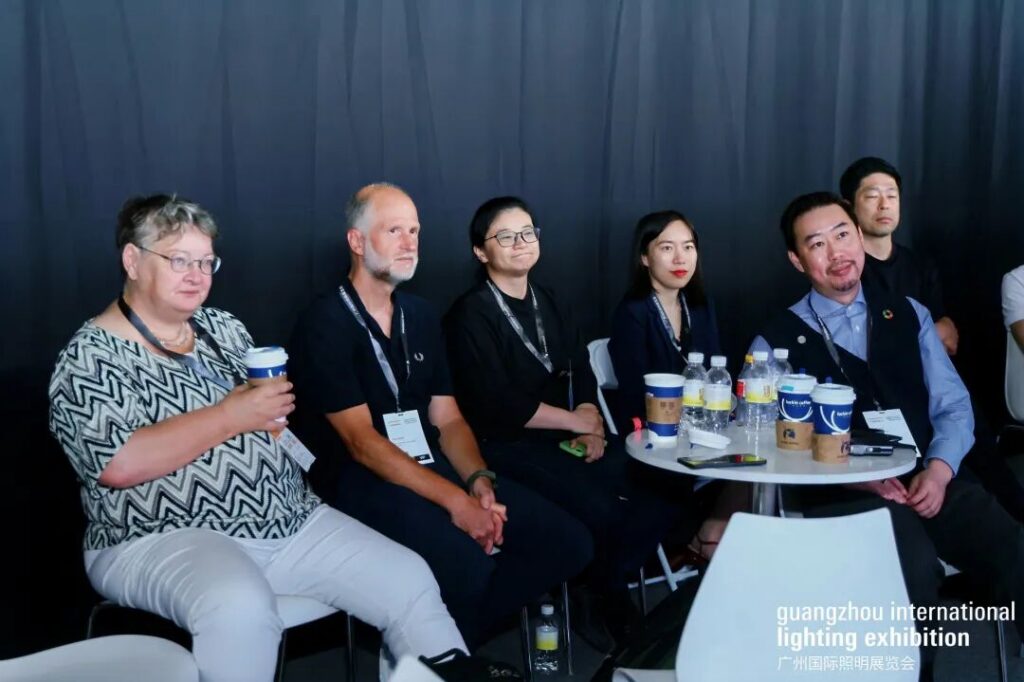
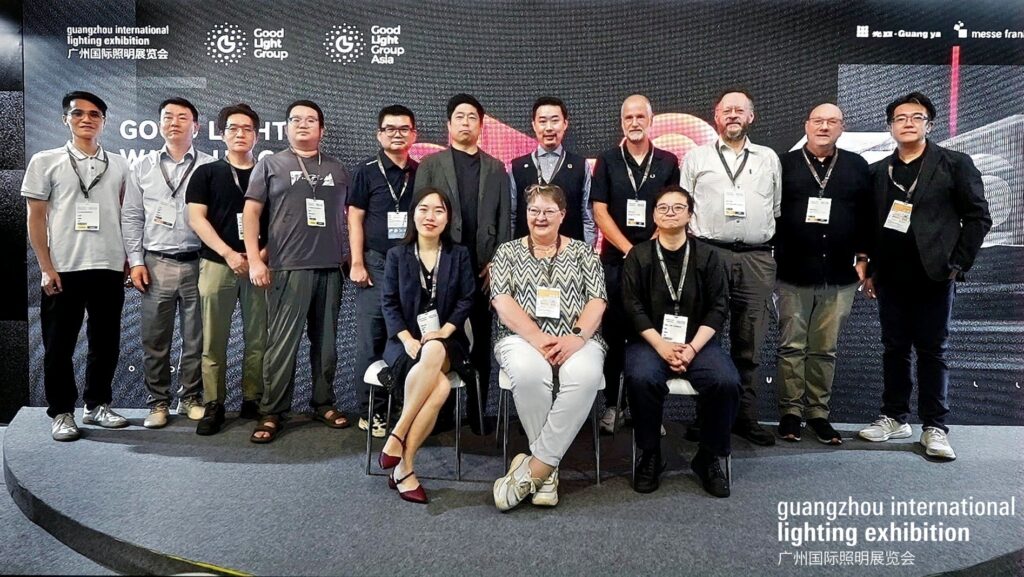
The sixth session of the afternoon, FG06, was the final closed-door co-creation session of deLIGHTed Talks Asia @ GILE 2026. If FG05 in the morning was a technical deep dive, then FG06 in the afternoon felt more like a collective industry-wide reflection and convergence toward action.

There were more people around the table. And there were more voices.

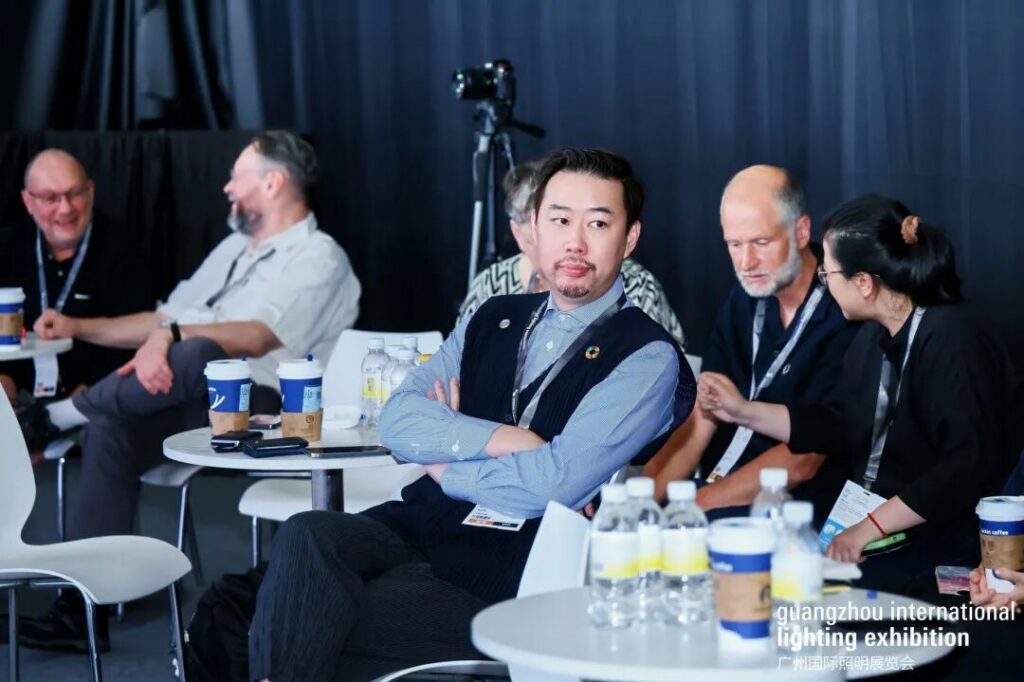
Scientists, designers, standards experts, LED companies, luminaire manufacturers, control systems, healthy building professionals, WELL, Delos, design consultants, industry associations, and project practitioners all sat down again before the same question: After the Good Light Wake-up Call, how do we take action?

This is not an easy question to answer, because each stakeholder sees a different world. Scientists care about evidence. Designers care about human experience. LED companies care about data boundaries. Luminaire manufacturers care about engineering implementation. Control companies care about state mapping. Certification systems care about measurable outcomes. Building owners care about value for money. Standards organizations care about rigorous language. The market cares about being understood.

In the past, these voices often talked past one another. The value of FG06 was that it temporarily brought these voices together into the same space, where people began to realize: Healthy light is not something any single link in the chain can accomplish alone.

It cannot be defined by scientists alone, nor interpreted by designers alone, nor promoted by LED companies alone, nor packaged by luminaire manufacturers alone, nor implemented by control systems alone, nor endorsed by certification systems alone, nor paid for by building owners alone. It must be a collaboration across the entire industry chain.


Some cautioned against over-promising, others reminded that we must connect with international standards.

In the afternoon discussion, a few on-site details left a deep impression on me.

Someone supported the working group, but also cautioned: In the first phase, we must stay disciplined. Don’t try to define a complete model from the very beginning. The biggest risk is over-promising and ultimately failing to deliver. Doing a solid data gap analysis first is more important than rushing to release an ambitious framework.

Someone reminded us: This work cannot stay within its own small circle. From the very beginning, it needs to maintain dialogue with international standards organizations. Otherwise, even if we achieve results, they may struggle to gain broader adoption in the future.

Someone pointed out: On-site measurement of melanopic metrics is not as simple as just buying an instrument. Instrument specifications, calibration methods, inter-laboratory comparisons, and field error margins—all of these need to be included in the scope of the validation group’s work.

Someone said: If demonstration projects are to be done in the future, they cannot simply be marketing showcases. They must be designed from the very beginning as research-grade, verifiable, and reproducible environments.

Others, drawing on their own corporate practice, proactively offered to contribute control data, project installation data, spectral data, and product samples as a foundation for subsequent controlled validation.

This is what I found most valuable. Not all questions have answers yet, but some people are already willing to put the issues on the table. Not all organizations have already committed to joining, but some have already begun to ask: If we join, how should we participate? If we contribute data, what are the boundaries? If we sponsor, what is the governance structure?

This shows that the Wake-up Call is beginning to move from “being heard” to “being responded to.”


The Most Important Takeaways from These Four Days

If I were to offer a preliminary summary of deLIGHTed Talks Asia @ GILE 2026, I would say this:

First, good light must move from illuminating spaces to delivering human outcomes. Good Light is not brighter light, nor more expensive luminaires. It is about visual comfort, circadian support, sleep quality, healthy buildings, long-term user experience, and the real human experience within a space.

Second, without validation, one cannot responsibly claim healthy light. Over these past few days, we have repeatedly reminded ourselves: light environment claims involving health must be backed by evidence, boundaries, methods, and validation. Unpleasant truths may be hard to hear, but healthy light without validation is the greatest risk to the future of our industry.

Third, healthy light requires a common data language. If there is no shared data language among LEDs, luminaires, controls, design software, on-site measurement, and building owner acceptance, then healthy light cannot scale. Everyone may claim to be right, but in the end, no one can truly deliver.

Fourth, EDI/DER must be engineered. CIE S 026, EDI, and DER are important starting points, but the real challenge lies in bringing these metrics into products, software, controls, design, commissioning, acceptance, and operation. Science must be translated into engineering.

Fifth, the engineering model is the hardest and most critical foundation. Once the chain of LED → Luminaire → Control → Space → Human → Verification is unblocked, only then can healthy light move from concept to industry infrastructure.

Sixth, Asia has the opportunity to become not just a manufacturing hub, but an innovation hub for healthy light engineering. Asia, and China in particular, possesses strong capabilities in LEDs, luminaires, controls, supply chains, and project execution. If these capabilities can be combined with scientific metrics, design methods, and validation systems, what Asia contributes to the world in the future may not just be products, but engineering models, validation methods, and implementation pathways for healthy light.


The Next Two Weeks: From Consensus to Organization

At the close of the sessions, we arrived at a very pragmatic next step: GLGA will share the relevant meeting materials from FG05 and FG06 with the participating guests.

Within the next two weeks, we will further clarify:

  • The potential scale of the working group
  • Participating organizations and expert structure
  • Preliminary division of work across four engineering directions
  • Working group charter v0.1
  • Data gap survey template
  • Preliminary sponsorship feasibility
  • Arrangements for the first online working meeting

This will not be easy work, nor should it be. Because if this were too easy, it wouldn’t be worth being a truly important agenda for the industry’s next phase.


A Wake-up Call Is Not Just About Waking Others

Over these past few days, I have been thinking: Who exactly is the Wake-up Call trying to wake? Manufacturers? Designers? Building owners? Standards organizations? The market? Perhaps all of them.

But more importantly, it is also waking us up. Waking us up to stop being satisfied with complaints about how “competitive” the lighting industry has become. Waking us up to stop defining value solely through price, brightness, specifications, and distribution channels. Waking us up to stop using “health” as a word that can be casually consumed. Waking us up to rediscover respect for science, engineering, design, and the real human experience.

A true awakening of an industry does not happen when voices are loudest. It happens when the industry becomes willing to face its most difficult problems.

Today, FG05 and FG06 showed us: The real difficulty of healthy light is not talking about it, but making it happen. Not making a single product, but building a system. Not creating a one-off demonstration, but forming a sustainable, verifiable, and collaborative engineering pathway.


From Awakening to Action

After the clamor of many voices, the warning bell still echoes. It may not always be pleasant to the ear—sometimes even harsh. But a true Good Light Wake-up Call|好光觉醒行动 was never meant to simply make people comfortable.

It is a reminder: If the lighting industry does not proactively define the next generation of value, others will define it for us. If we cannot connect light to human outcomes, lighting will continue to be compressed into price and specifications. If we cannot build a verifiable engineering model, healthy light may degenerate into just another overused market buzzword.

So, after today, we don’t just say: Good Light matters.

We must also begin to answer: How to make Good Light measurable, designable, verifiable, and deliverable?

This is the true meaning of Day 4 of deLIGHTed Talks Asia @ GILE 2026. This is the path that Good Light Wake-up Call Asia will take from now on.

June 11, 2026 | Guangzhou · GILE
deLIGHTed Talks Asia @ GILE 2026
Good Light Wake-up Call continues.
发表回复

您的邮箱地址不会被公开。 必填项已用 * 标注